
CEA proposes new grid standards, mandatory BESS safety audits
The Central Electricity Authority (CEA) has released two draft frameworks aimed at strengthening grid reliability and safety as renewable energy and storage capacity continue to expand across the country.
The first proposal, the draft Central Electricity Authority (Technical Standards for Connectivity to the Grid) Regulations, 2026, seeks to replace the existing 2007 regulations with a performance-based framework for grid connectivity. The second introduces a standardised framework for external safety audits of Battery Energy Storage System (BESS) projects.
Both drafts have been issued for public consultation. Comments on the grid connectivity regulations have been invited until August 17, 2026, while comments on the BESS safety audit framework can be submitted until July 28, 2026.
Grid standards
The proposed connectivity regulations apply to all entities seeking connection to the grid at 33 kV and above, including generating companies, captive power plants, transmission licensees, distribution utilities, energy storage systems and bulk consumers.
A key feature of the draft regulations is the introduction of detailed technical performance requirements for inverter-based resources, including solar, wind and BESS projects.
Under the proposal, generating stations and storage facilities will be required to remain connected during voltage disturbances. The draft prescribes Low Voltage Ride-Through (LVRT) capability down to 0.15 p.u. for up to 300 milliseconds and High Voltage Ride-Through (HVRT) capability of up to 1.5 p.u. for certain technologies.
The regulations also introduce multiple fault ride-through requirements, requiring facilities to withstand up to 15 voltage disturbances below 0.9 p.u. within a five-minute period.
Inverter-based resources, BESS facilities and inverter-interfaced bulk consumers will be required to operate in reactive current priority mode during grid disturbances. The draft specifies response times, settling requirements and minimum overload capabilities for such systems.
Frequency response
The draft proposes a wider set of obligations relating to frequency management.
All generating stations would be required to operate continuously in the frequency range of 47.5 Hz to 52 Hz and deliver rated output between 49.5 Hz and 50.5 Hz. They would also need to withstand Rate of Change of Frequency (ROCOF) of up to 5 Hz per second.
The regulations additionally prescribe primary frequency response requirements for thermal, hydro, solar, wind and battery storage projects, alongside technology-specific droop settings.
For projects employing grid-forming inverters, the draft introduces additional requirements relating to islanded operation, phase angle variation and negative sequence current injection.
HVDC and connectivity process
The draft regulations also establish new technical requirements for Voltage Source Converter (VSC)-based High Voltage Direct Current (HVDC) systems and Flexible AC Transmission System (FACTS) devices.
Among other requirements, VSC-based HVDC systems would be required to provide dynamic reactive power support, active power reversal capability, black start functionality and power oscillation damping. Such systems would also have to undergo third-party accredited testing before being connected to the grid.
The regulations introduce an eight-stage connectivity process covering interconnection studies, submission of technical data, connectivity agreements, first-time energisation, testing, trial runs and declaration of commercial operation.
Trial run requirements have also been standardised across technologies. Thermal units would be required to demonstrate 72 hours of continuous operation, while solar, wind and BESS projects would need to complete prescribed power flow and charging-discharging tests before commercial operation.
The draft also makes compliance with cyber security requirements issued by CEA, the Indian Computer Emergency Response Team (CERT-In), the National Critical Information Infrastructure Protection Centre (NCIIPC) and other agencies a prerequisite for grid connectivity.
BESS safety framework
In a separate consultation paper, CEA has proposed a detailed framework for mandatory external safety audits of BESS installations.
The framework has been issued under Regulation 12 of the Central Electricity Authority (Safety Requirements for Construction, Operation and Maintenance of Electrical Plants and Electric Lines) (Amendment) Regulations, 2022, which requires generating stations, including BESS facilities, to submit external safety audit reports every two years.
The draft prescribes the composition of audit teams, requiring a minimum of three auditors with expertise in electrical, mechanical, and fire and safety disciplines. At least one auditor must have experience in power plant operations or hazardous process industries, while the audit must include a minimum three-day site visit.
Safety requirements
The proposed audit checklist covers occupational health and safety practices, compliance with CEA safety requirements and BESS-specific technical standards.
The framework calls for certification at the cell, battery, transport and system levels in accordance with internationally recognised standards, including UL and IEC specifications.
It also proposes minimum performance benchmarks, including maintaining 90% output after five years, 80% after ten years and 70% after fifteen years. Battery systems would be expected to maintain a minimum depth of discharge of 80% and an AC-to-AC round-trip efficiency of at least 70%.
The draft further prescribes fire detection and suppression measures, hazard monitoring systems, automatic shutdown capabilities and battery management system requirements covering cell-level monitoring of voltage, temperature and thermal runaway events.
Audit reports would be required to include observations, recommendations, risk categorisation and timelines for implementing corrective actions.
Regulatory shift
Taken together, the two proposals indicate a move towards performance-based regulation for grid integration and a more formal safety regime for battery storage assets.
If adopted, the regulations would introduce new technical obligations for renewable energy projects, storage developers, HVDC operators and large electricity consumers, while establishing a uniform framework for evaluating the safety and operational performance of BESS installations.
The draft documents are available on the CEA website, and the authority has invited comments from stakeholders before finalising the frameworks.
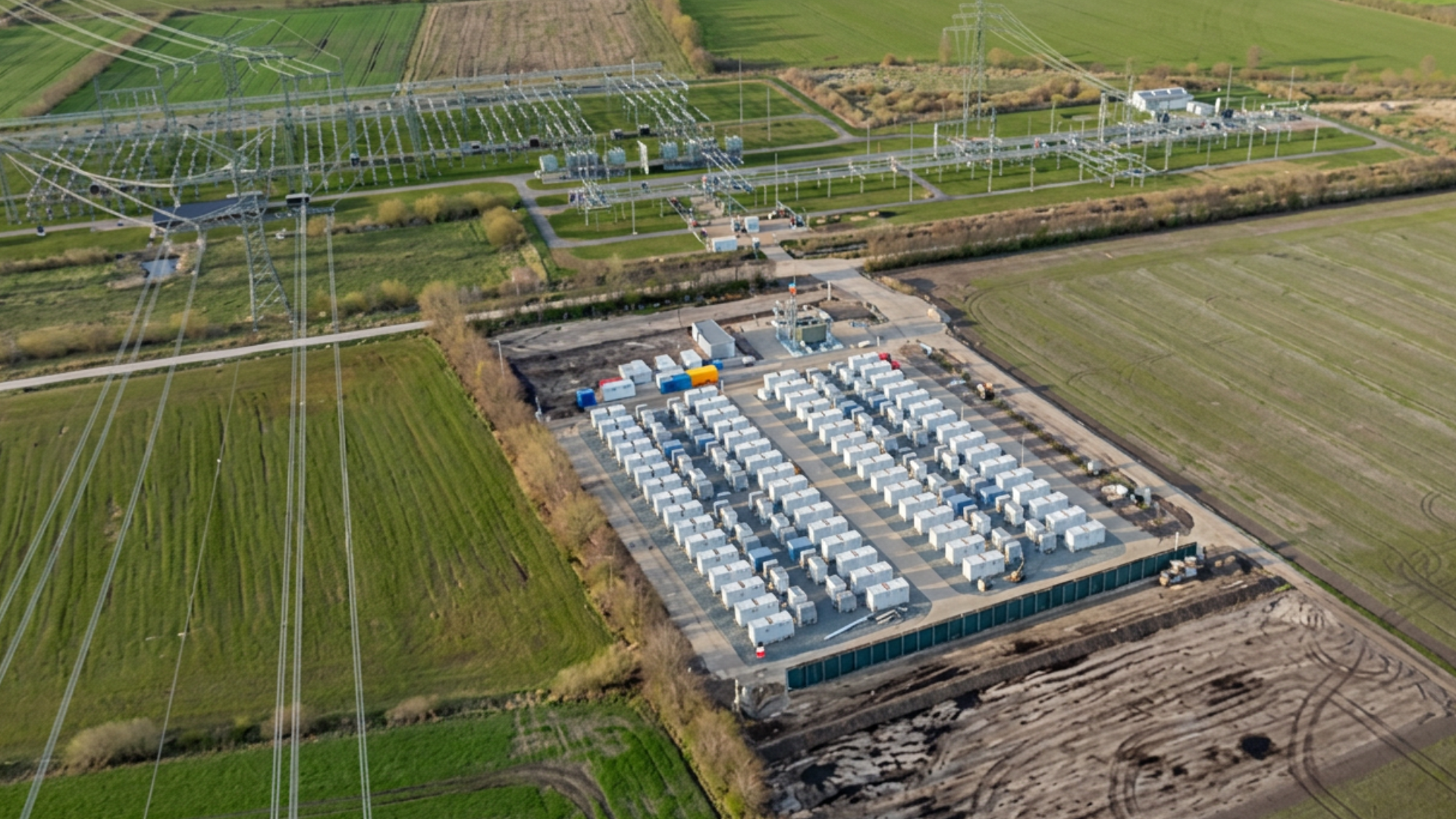
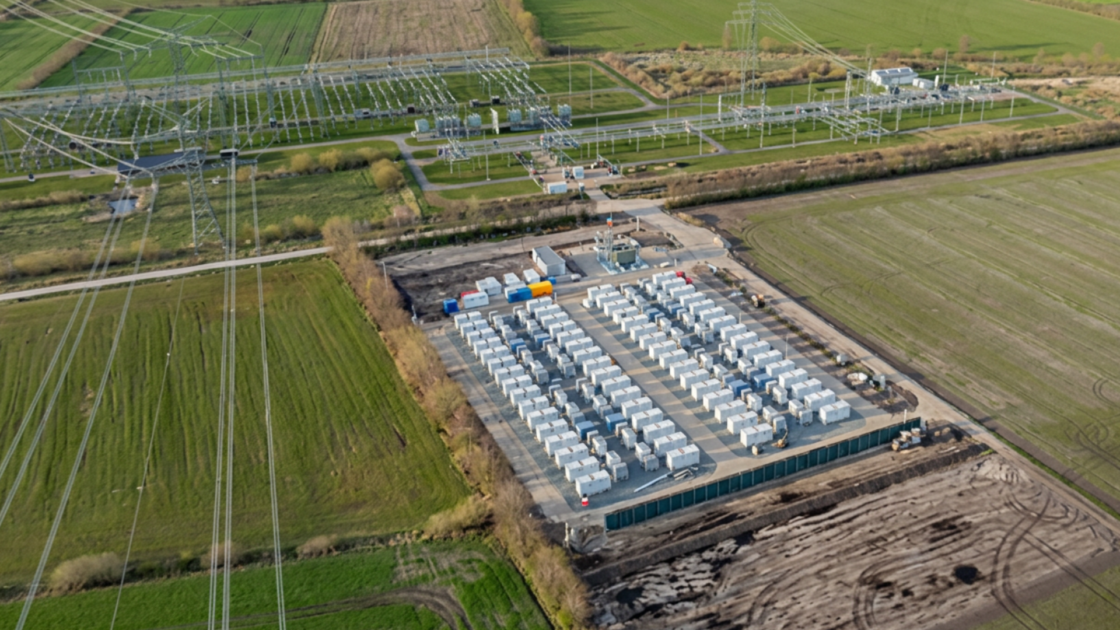
The featured photograph is for representation only.

