World’s first Cu-Cl hydrogen plant using nuclear heat inaugurated in India
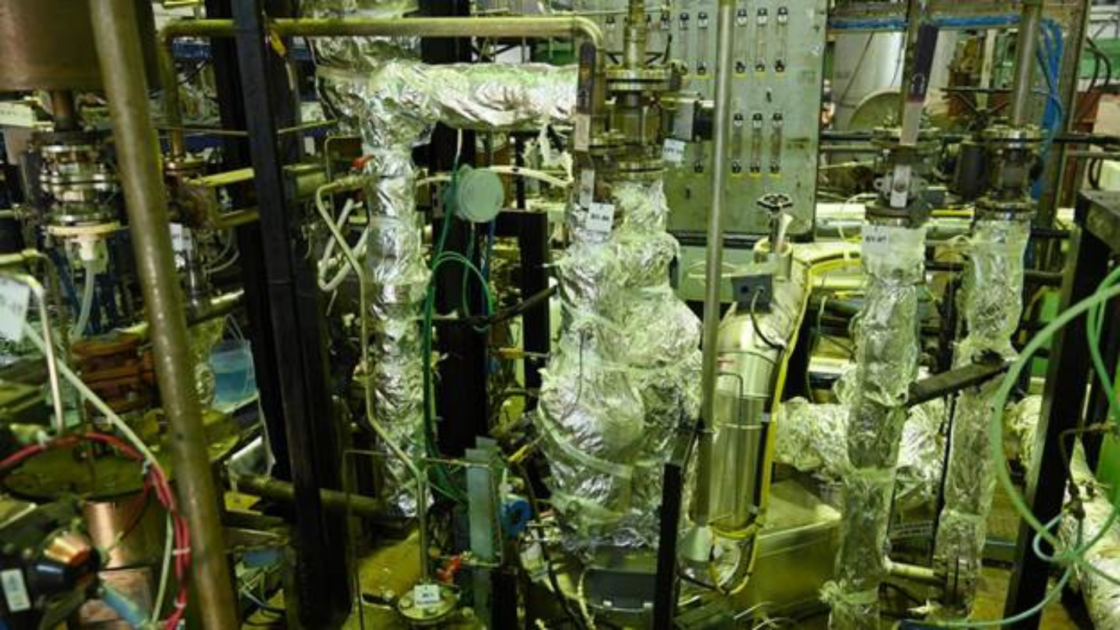
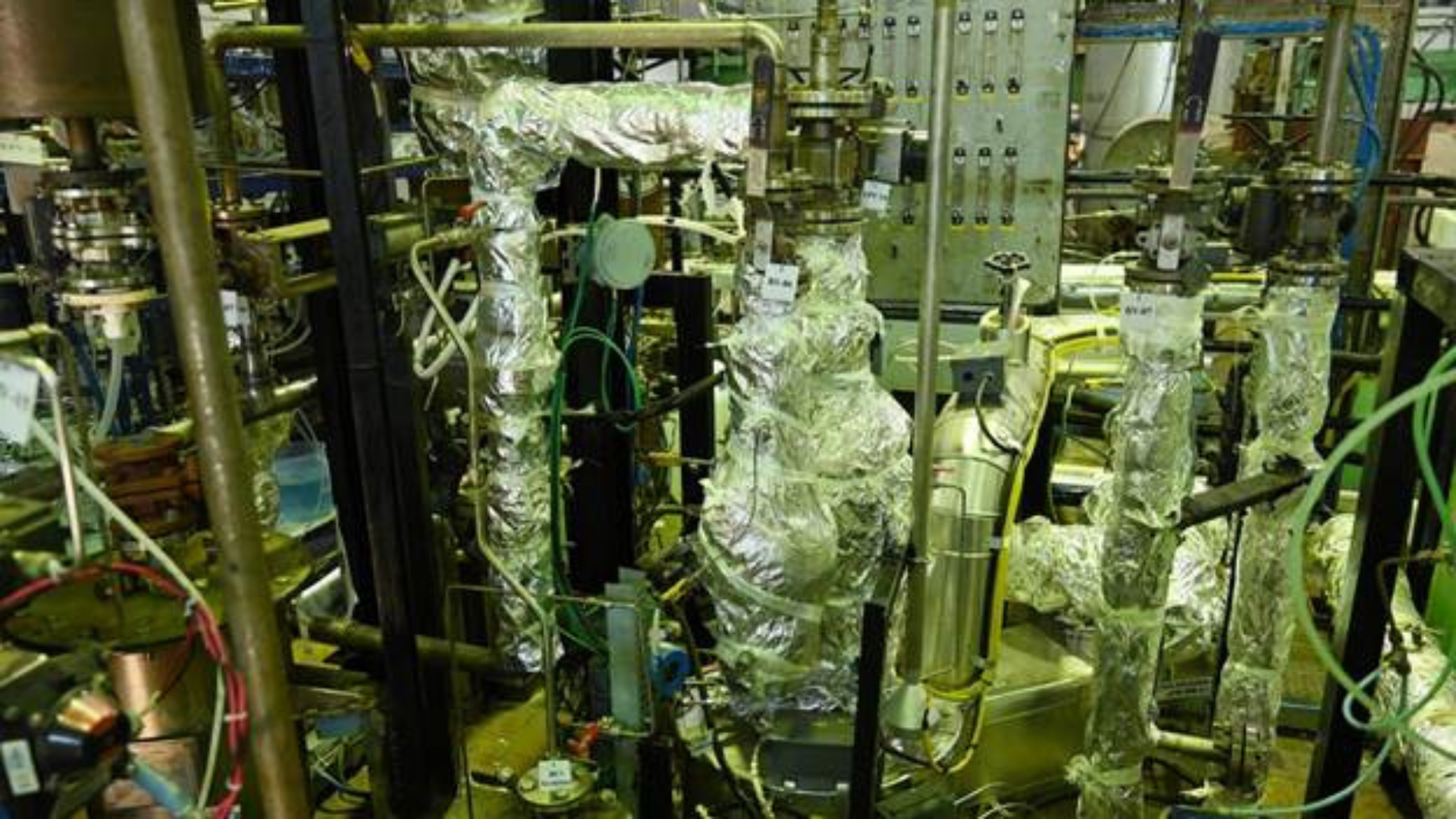
The Department of Atomic Energy (DAE) has commissioned a pilot hydrogen production facility at the Indira Gandhi Centre for Atomic Research (IGCAR), Kalpakkam, marking a new step in India’s efforts to combine nuclear power with clean hydrogen production.
According to the DAE, the facility is the world’s first to produce hydrogen using the Copper–Chlorine (Cu–Cl) thermochemical cycle powered by nuclear process heat from the Fast Breeder Test Reactor (FBTR). The technology demonstration plant was inaugurated by Dr Ajit Kumar Mohanty, Secretary, DAE and Chairman, Atomic Energy Commission (AEC), in the presence of IGCAR Director Shri Sreekumar G. Pillai.
Technology demonstration
The project has been jointly developed by Bhabha Atomic Research Centre (BARC) and IGCAR to demonstrate hydrogen production using nuclear heat instead of fossil fuels. Unlike conventional hydrogen production methods, the Cu–Cl thermochemical cycle uses heat from a nuclear reactor, enabling low-carbon hydrogen production while operating at relatively lower temperatures than many other thermochemical processes.
The demonstration facility is expected to generate operational data that will help optimise the technology and support its future scale-up for commercial applications.
Role in India’s nuclear programme
The project also expands the application of India’s fast reactor programme beyond electricity generation. IGCAR has operated the FBTR for more than four decades as a test bed for fast reactor fuels, materials and sodium technologies. The knowledge gained from the reactor has also supported the development of the 500 MWe Prototype Fast Breeder Reactor (PFBR), the flagship project of the second stage of India’s three-stage nuclear power programme.
DAE said integrating nuclear energy with hydrogen production could support India’s long-term energy security and decarbonisation objectives while reducing dependence on fossil fuel-based hydrogen.
Speaking at the inauguration, Dr Mohanty said nuclear power is well suited for large-scale hydrogen production because it can provide both carbon-free electricity and high-temperature process heat. Shri Sreekumar G. Pillai said the project demonstrates the broader potential of advanced nuclear technologies in supporting India’s clean energy transition.
Photo credit: PIB