MoEFCC’s new RoW norms could cut forest land for power lines by up to 96%
The Advisory Committee of the Ministry of Environment, Forest and Climate Change (MoEFCC) has approved the adoption of revised Right-of-Way (RoW) norms for transmission lines passing through forest areas. The decision was taken at the Committee’s meeting held on June 10, 2026.
The revised norms incorporate provisions introduced under the Central Electricity Authority (Technical Standards) Amendment Regulations, 2025, notified on October 9, 2025, and are expected to reduce the forest land required for transmission projects through the use of advanced technologies and improved tower configurations.
Revised RoW provisions
The new norms recognise technological advancements that enable transmission lines to be constructed with narrower corridors and smaller footprints.
According to the Committee, the use of pole structures in place of conventional lattice towers can reduce tower footing area by up to 96%. The adoption of High Temperature Low Sag (HTLS) conductors can reduce RoW requirements by 1-12 metres, equivalent to a reduction of up to 26%, depending on the transmission line configuration.
The revised standards also incorporate improved tower designs that reduce wing spans and overall corridor width.
Forest clearance framework
The Ministry of Power and the Central Electricity Authority (CEA) had requested the Environment Ministry to update forest clearance guidelines to reflect changes in transmission technologies.
The Advisory Committee approved the incorporation of the revised RoW norms into the Consolidated Guidelines issued under the Van (Sanrakshan Evam Samvardhan) Adhiniyam, 1980.
The Committee clarified that existing RoW requirements will continue to apply to transmission lines using conventional tower configurations. The revised norms will apply only to projects adopting the newer configurations recognised under the amended CEA regulations.
Impact on transmission projects
The revised framework is expected to reduce forest diversion requirements for transmission projects while supporting the expansion of the power transmission network.
By reducing corridor width and tower footprints, the norms are expected to lower tree felling requirements and minimise disturbance to forest habitats. The Committee noted that the approach could help reduce impacts on ecologically sensitive areas, including wildlife corridors.
The changes are also expected to facilitate transmission infrastructure required for renewable energy integration by reducing land requirements and simplifying project implementation in forest areas.
Technology adoption
The Committee recommended that the Ministry of Power issue advisories to states, Union Territories and transmission utilities encouraging the adoption of improved transmission technologies, particularly for projects traversing forest land.
The recommendation aims to promote wider deployment of advanced conductors and modern tower designs that can reduce environmental impacts while maintaining transmission capacity requirements.
Broader significance
The decision aligns transmission planning with technological developments recognised under the CEA’s revised technical standards. By linking forest clearance requirements to the adoption of improved transmission technologies, the revised framework seeks to balance transmission network expansion with conservation objectives.
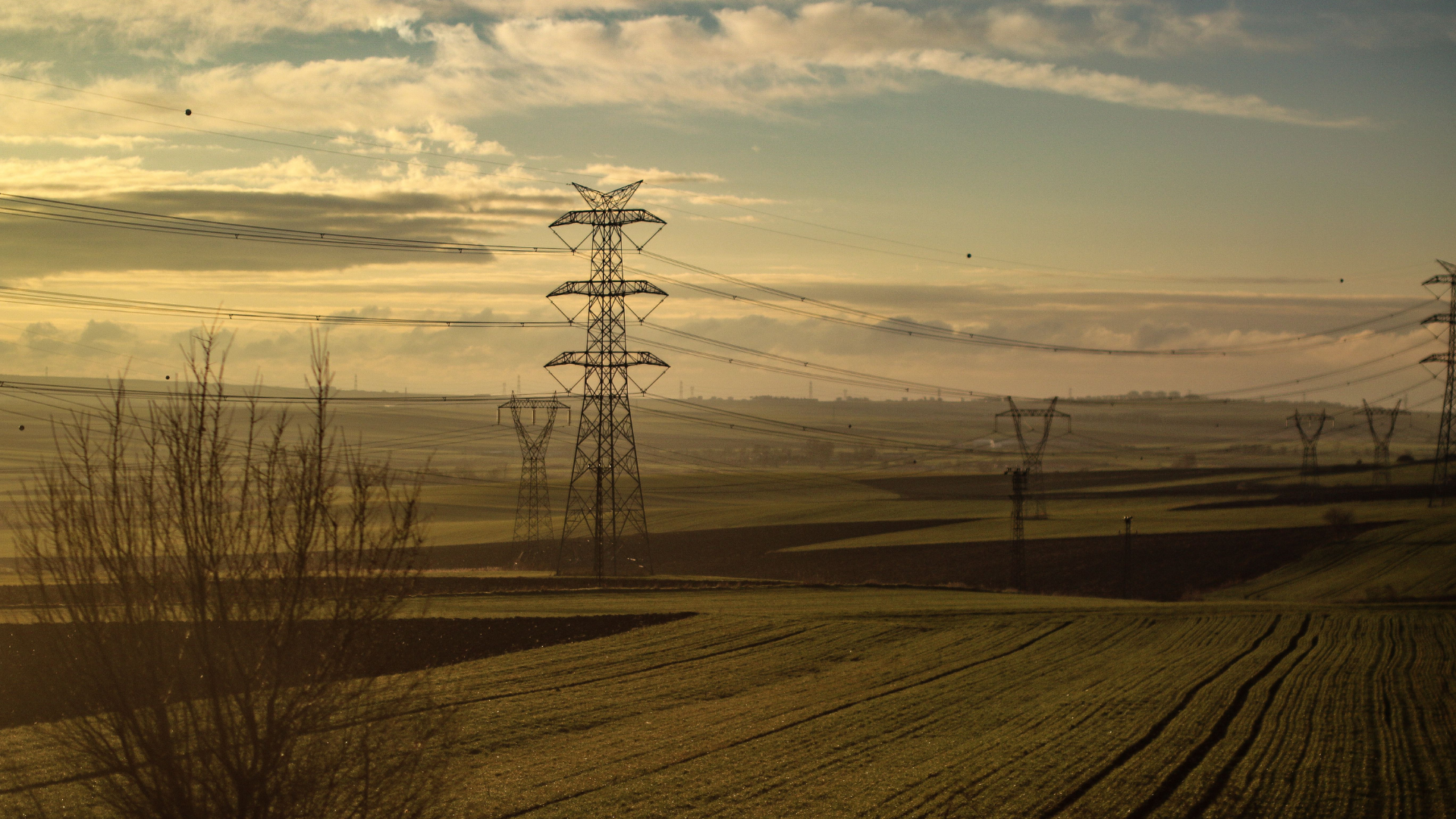
The featured photograph is for representation only.