Singapore gets its first hydrogen-ready combined cycle power plant from Keppel
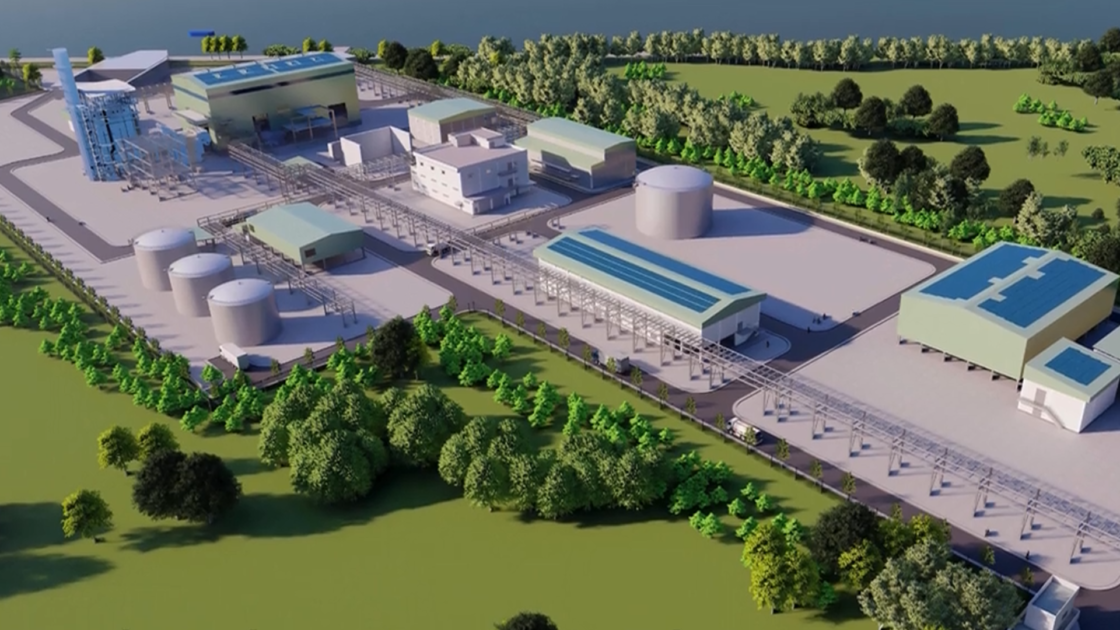
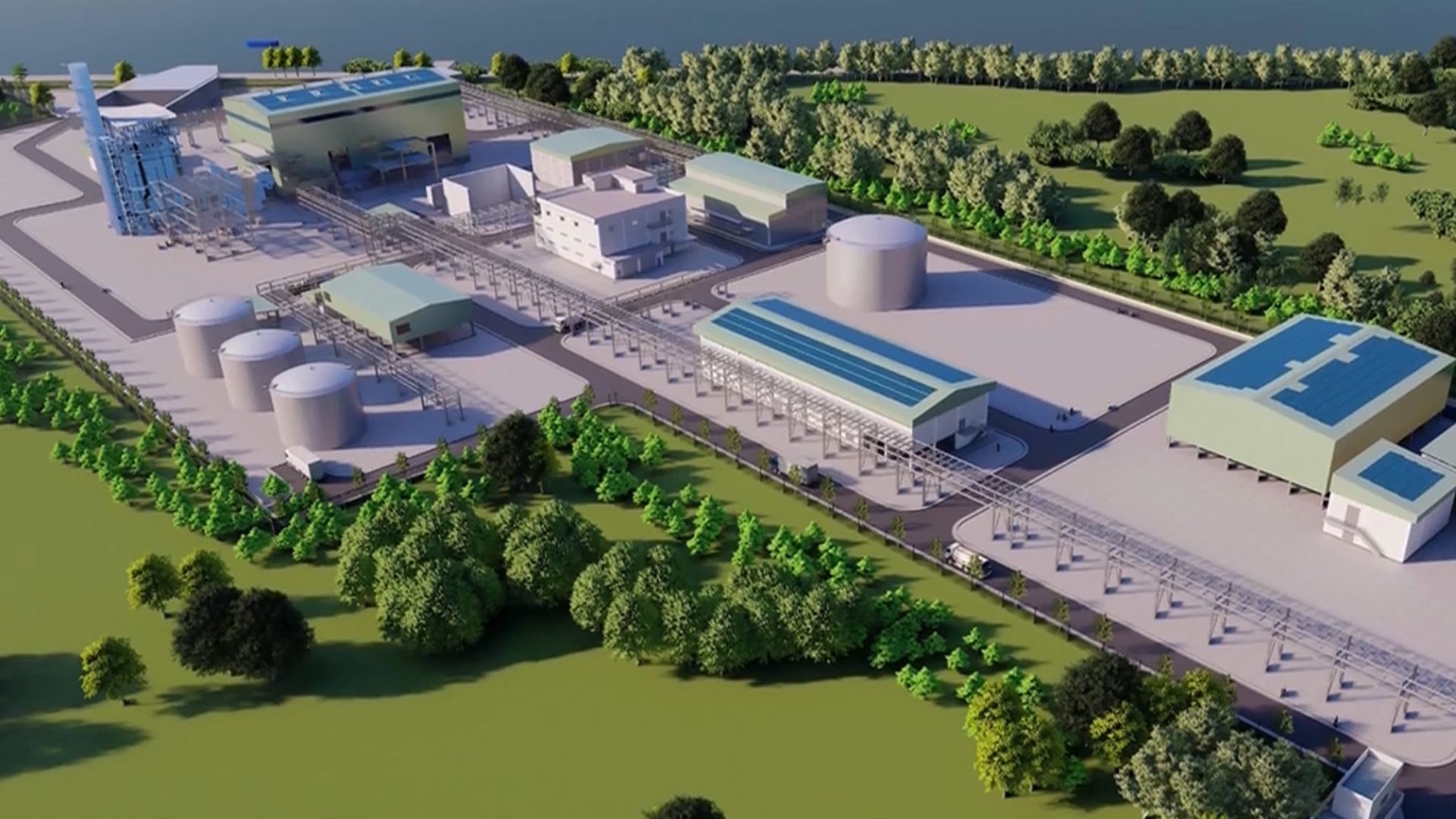
Keppel Ltd. has commenced commercial operations at the Keppel Sakra Cogen (KSC) Plant, described by the company as Singapore’s first hydrogen-compatible combined cycle power plant. The 600MW combined cycle gas turbine (CCGT) facility increases Keppel’s power generation capacity by about 45% amid rising electricity demand and a growing focus on energy security and resilience.
The KSC plant is capable of co-combusting up to 30% hydrogen with natural gas at the start of operations. The facility currently operates on natural gas and can be modified to run entirely on low-carbon hydrogen as hydrogen supply chains develop.
Plant capacity
With the commissioning of KSC, Keppel’s total power capacity, including the Keppel Merlimau Cogen Plant, has increased to up to 1,900 MW. The company also has access to up to 200 MW of imported low-carbon electricity through the Laos-Thailand-Malaysia-Singapore Power Integration Project.
Keppel stated that the expanded capacity positions it to support rising electricity demand linked to semiconductors, digitalisation, and artificial intelligence (AI)-driven infrastructure.
Technology and efficiency
According to the company, the plant uses combined-cycle gas turbine technology designed to provide more efficient baseload power generation compared with existing installed generation fleets in Singapore. The facility also retains the ability to switch to fuel oil.
Keppel stated that the plant incorporates advanced technology and design features that make it one of the most energy-efficient power plants in Singapore. Compared with Singapore’s average operating efficiency for equivalent power generated, the company said the facility can reduce carbon emissions by up to 220,000 tonnes of CO2 annually, equivalent to removing about 47,000 cars from roads each year.
Company statements
Cindy Lim, Chief Executive Officer (CEO) of Keppel’s Infrastructure Division, said the plant strengthens Singapore’s energy security and system resilience amid rising electricity demand from digitalisation, AI, and industrial growth.
She added that the KSC plant has been fully contracted for 2026 and 2027 and is expected to support Keppel’s recurring income while positioning the company for opportunities linked to lower-carbon energy systems.
Puah Kok Keong, Chief Executive of the Energy Market Authority, said combined cycle power plants remain important for Singapore’s power supply during the transition to cleaner energy sources. He added that hydrogen-compatible and higher-efficiency facilities such as KSC support Singapore’s lower-carbon energy goals while maintaining power system reliability and resilience.
The KSC plant is 70% owned by Keppel Asia Infrastructure Fund and 30% owned by Keppel.
Photo credit: Keppel/LinkedIn