
Ladakh extends ONGC pact for India’s first geothermal power project
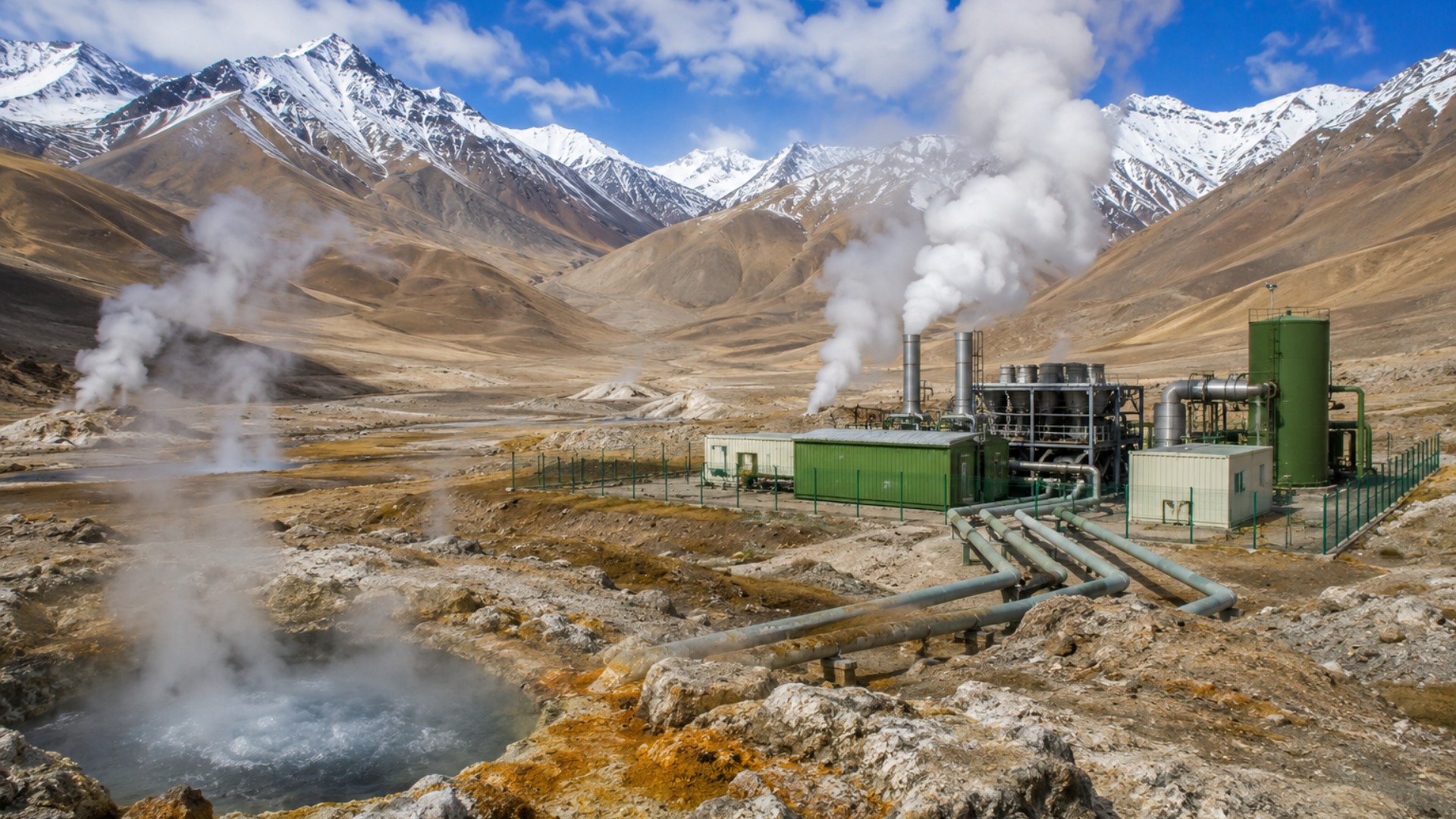
Ladakh Lieutenant Governor Vinai Kumar Saxena has approved a five-year extension of the agreement for the proposed geothermal power project in the Puga Valley, enabling continued development of what is expected to become India’s first geothermal power plant.
The project is being developed by Oil and Natural Gas Corporation (ONGC) in eastern Ladakh at an altitude of more than 14,000 feet.
Officials said the extension applies to the memorandum of understanding (MoU) signed between the Ladakh administration, the Ladakh Autonomous Hill Development Council (LAHDC), Leh, and ONGC Energy Centre. The earlier agreement had expired in February 2026.
ONGC had sought additional time for implementation citing delays caused by difficult terrain and extreme weather conditions in the Himalayan region.
Under the revised MoU, ONGC will establish a 1-MWe pilot geothermal power plant in the Puga Valley and prepare a detailed project report (DPR) for large-scale commercial development of geothermal resources in Ladakh.
India currently does not have a commercial-scale geothermal power plant, making the proposed facility the first project of its kind in the country.
Geothermal energy utilises heat stored beneath the Earth’s crust. A geothermal system typically includes production and reinjection infrastructure such as wells and pumps, transport systems including pipelines, distribution equipment such as heat exchangers, and end-use applications.
High-enthalpy geothermal resources, including volcanic regions, geysers, and hot springs, are generally used for electricity generation. Low- and medium-enthalpy resources, including hot rocks and shallow ground layers, are more suitable for direct-use applications such as heating, cooling, agriculture, and aquaculture.
According to the Geological Survey of India (GSI), 381 hot springs with surface temperatures ranging between 35°C and 89°C have been identified across the country. The GSI has also identified 10 geothermal provinces in India, including the Himalayan Geothermal Province and the Andaman and Nicobar Islands.
India’s geothermal power potential has been estimated at around 10,600 MW, with the Puga and Chumathang regions in Ladakh considered among the most promising areas for development.
The project also aligns with the National Policy on Geothermal Energy, 2025, which aims to position geothermal energy as part of India’s renewable energy mix while contributing to long-term energy security and the country’s 2070 net-zero target.
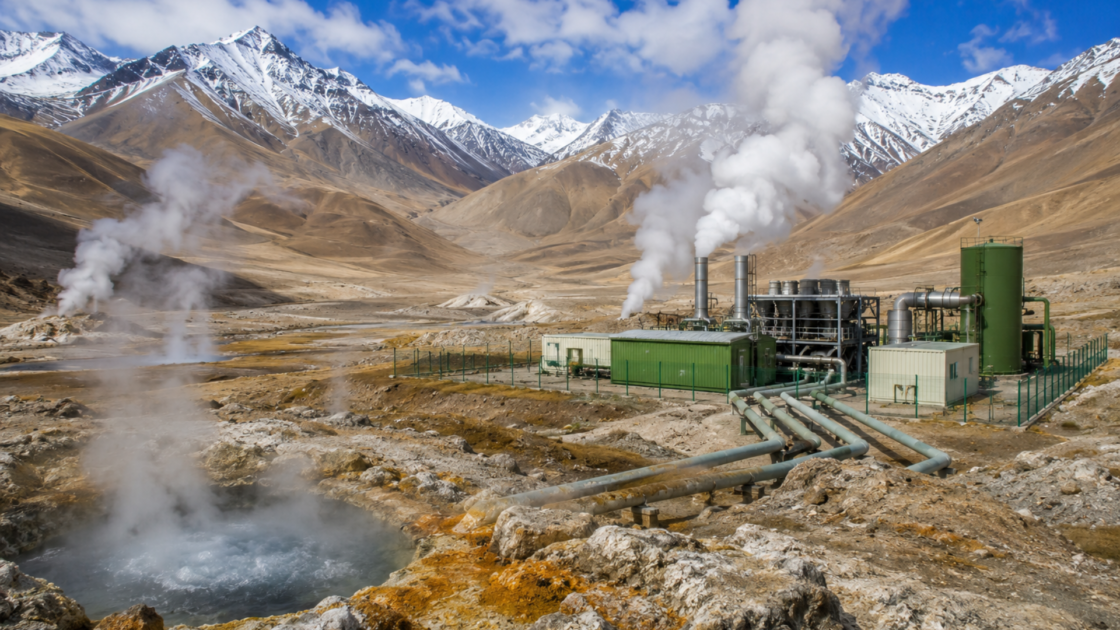
The featured photograph is for representation only.