India’s PFBR at Kalpakkam achieves criticality, advancing second stage of nuclear programme
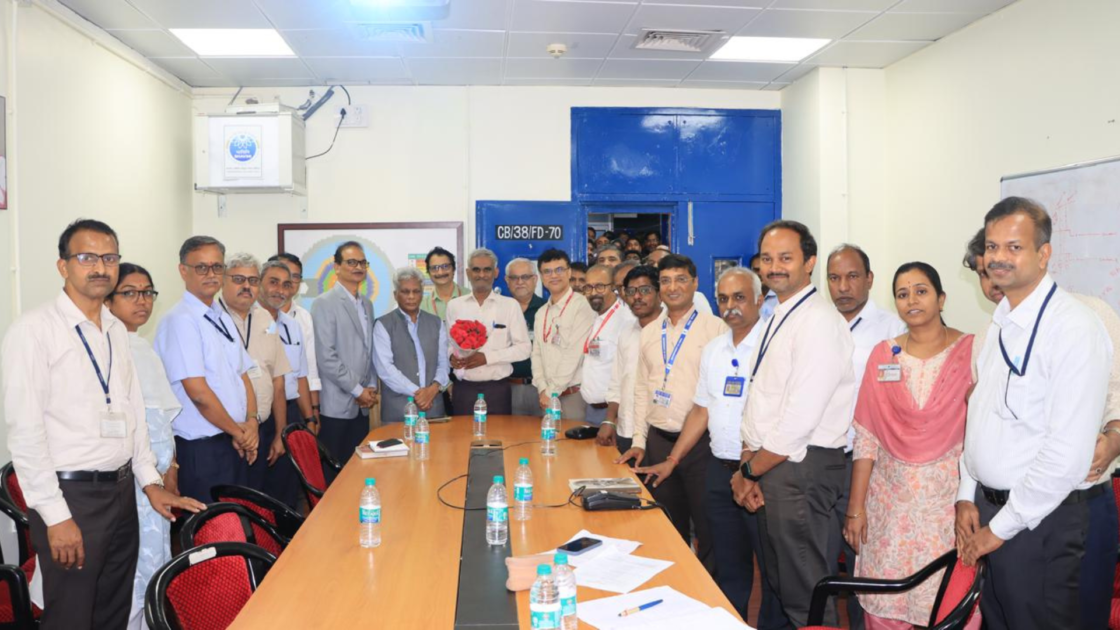
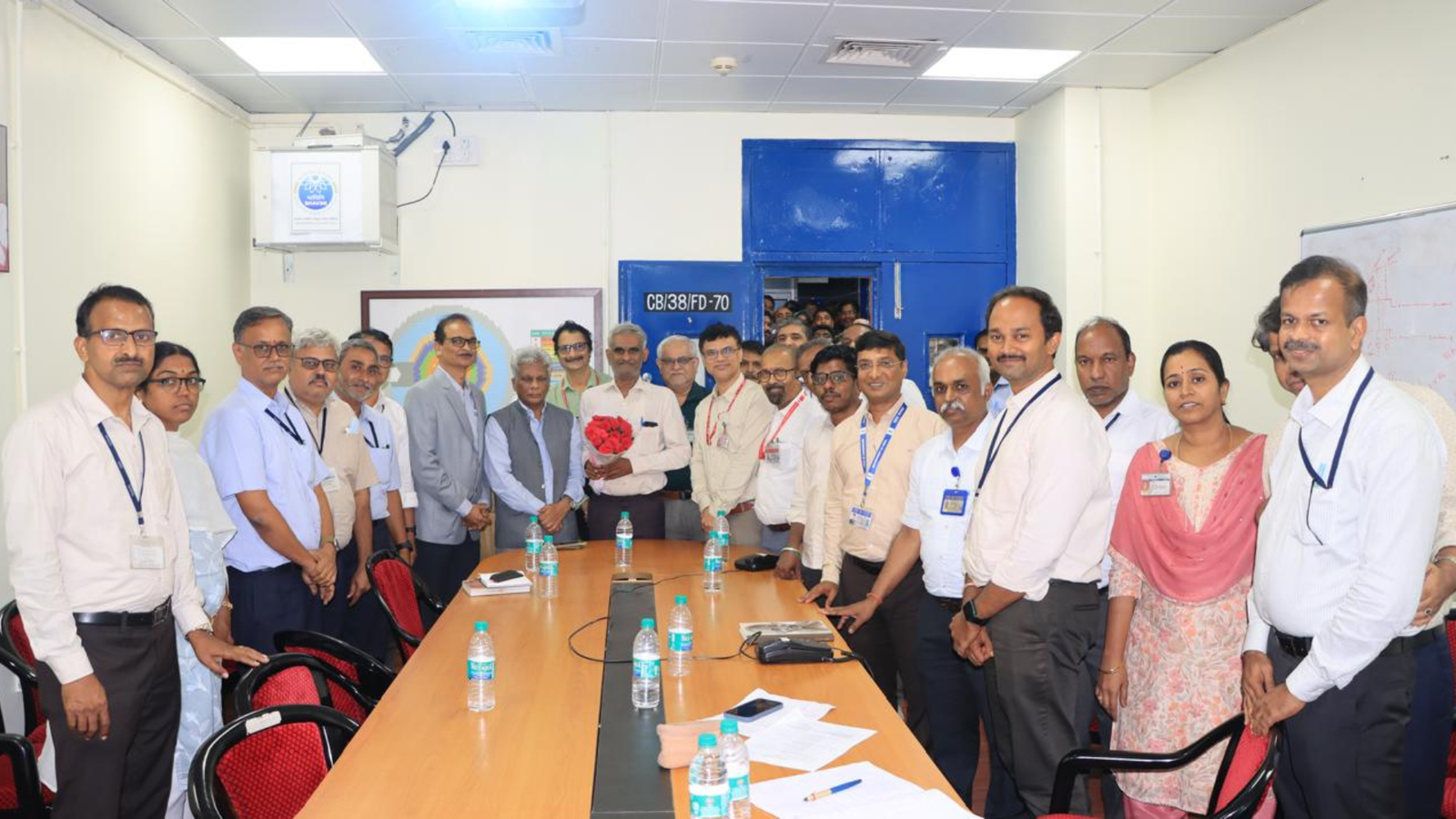
India’s indigenously designed and built Prototype Fast Breeder Reactor (PFBR) at Kalpakkam in Tamil Nadu has attained criticality at 8:25 pm on April 6, 2026, following clearance from the Atomic Energy Regulatory Board (AERB) after safety review, marking a significant milestone in the country’s three-stage nuclear programme. The achievement means the reactor can now sustain a self-sustaining nuclear fission reaction without external intervention, a key step before full power generation commences.
Attaining criticality, or going critical, is the point at which a nuclear reactor’s chain reaction becomes self-sustaining. For the 500 MWe PFBR, it confirms that the reactor core is functioning as designed and sets the stage for progressive power escalation toward commercial electricity generation.
The PFBR is central to the second stage of India’s three-stage nuclear power programme. The first stage relies on Pressurised Heavy Water Reactors (PHWR) using natural uranium as fuel, which produce plutonium as a byproduct. The second stage uses that plutonium to fuel Fast Breeder Reactors (FBR), which generate more fissile material than they consume. The PFBR uses uranium-plutonium mixed oxide (MOX) fuel and a uranium-238 blanket to breed plutonium-239, with provisions to utilise thorium-232 for conversion into uranium-233 in later stages. This surplus fuel will eventually power the third stage, thorium-based reactors that utilise India’s substantial thorium deposits, found in coastal and inland placer sands across Kerala, Tamil Nadu, Odisha, Andhra Pradesh, Maharashtra, Gujarat, and the riverine sands of Jharkhand and West Bengal. The reactor also uses liquid sodium as coolant and follows a closed fuel cycle approach that enables recycling of nuclear material.
The reactor was designed by the Indira Gandhi Centre for Atomic Research (IGCAR) and constructed and is operated by Bharatiya Nabhikiya Vidyut Nigam Limited (BHAVINI).
Prime Minister Narendra Modi described the achievement as a defining step in India’s civil nuclear journey. Posting on X, he said the reactor’s ability to produce more fuel than it consumes reflects the depth of India’s scientific capability and the strength of its engineering enterprise. He added that the milestone is a decisive step toward harnessing India’s vast thorium reserves under the third stage of the programme.