
Non-fossil sources cross 52% of India’s installed power capacity
India’s total installed power capacity reached 524 GW at the end of February, according to official data, with non-fossil fuel sources exceeding 52% of the mix for the first time as solar additions outpaced other technologies.
Data released by the Central Electricity Authority (CEA) showed that renewable energy, large hydro and nuclear together accounted for 275,468 MW, representing 52.57% of total installed capacity. This marginally exceeded fossil fuel capacity, which stood at 248,542 MW. A year earlier, the two categories were roughly equal.
Solar capacity drives shift in generation mix
Solar power has been the primary contributor to the change in the capacity mix. Installed solar capacity reached 143,604 MW, representing 27.4% of the national total and ranking second only to coal.
Coal-based capacity remained the largest component of the system at 221,210 MW, accounting for 42.2% of installed capacity. Wind power capacity stood at 55,133 MW, while large hydro capacity was recorded at 51,165 MW.
Installed capacity differs from actual generation
The figures relate to installed capacity rather than the volume of electricity produced. Coal-fired power stations generally operate at higher utilisation levels than solar installations. As a result, coal continues to contribute a significantly larger share of actual electricity generation despite the rise in renewable capacity.
Capacity additions continue during current financial year
India added 3,498 MW of net capacity in February alone. During the current financial year, more than two dozen large projects achieved commercial operation. These included several coal and gas-based units as well as renewable energy projects.
Private sector holds largest share of capacity
Ownership patterns indicate a growing role for private developers in the power sector. Private companies now account for 272,434 MW of installed capacity, exceeding the combined capacity owned by state and central government utilities.
The trend reflects policy support over several years that has promoted renewable energy development primarily through independent power producers.
2030 non-fossil capacity target in focus
India has set a target of achieving 500 GW of non-fossil fuel capacity by 2030. Current installation trends suggest the country remains broadly aligned with that objective.
Analysts indicate that grid integration and energy storage are becoming key operational challenges as the share of variable renewable energy continues to rise.
Nuclear capacity remained unchanged at 8,780 MW, accounting for 1.68% of total installed capacity.
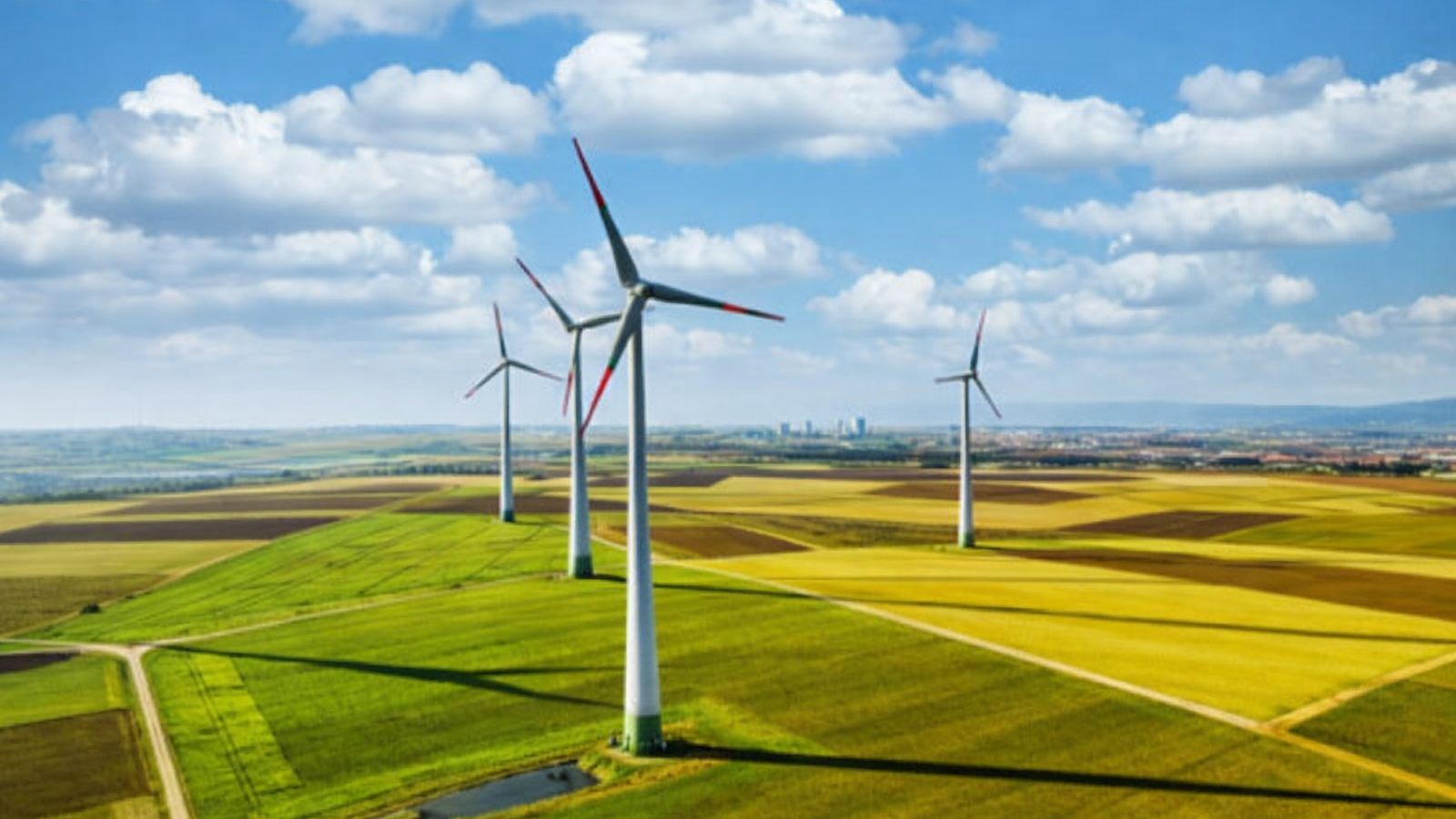
The featured photograph is for representation only.