Gujarat launches renewable, storage and green hydrogen policies

The Government of Gujarat has launched three major clean energy policies with a combined investment potential exceeding Rs 5.8 lakh crore. The Integrated Renewable Energy Policy 2025, the Pumped Storage Project Policy 2025, and the Gujarat Green Hydrogen Policy-2025 aim to build an integrated renewable energy ecosystem, expand capacity and create large-scale employment by 2030.
The Integrated Renewable Energy Policy 2025, announced by Chief Minister Bhupendra Patel, sets a unified development framework with a target of building 100 GW of renewable capacity by 2030. A key feature is the inclusion of rooftop wind projects, allowing consumers to install mini turbines below 50 kW, supported by Virtual Net Metering and Group Net Metering provisions. The policy covers solar, wind, hybrid projects, and Battery Energy Storage Systems (BESS), while also encouraging geothermal and tidal technologies.
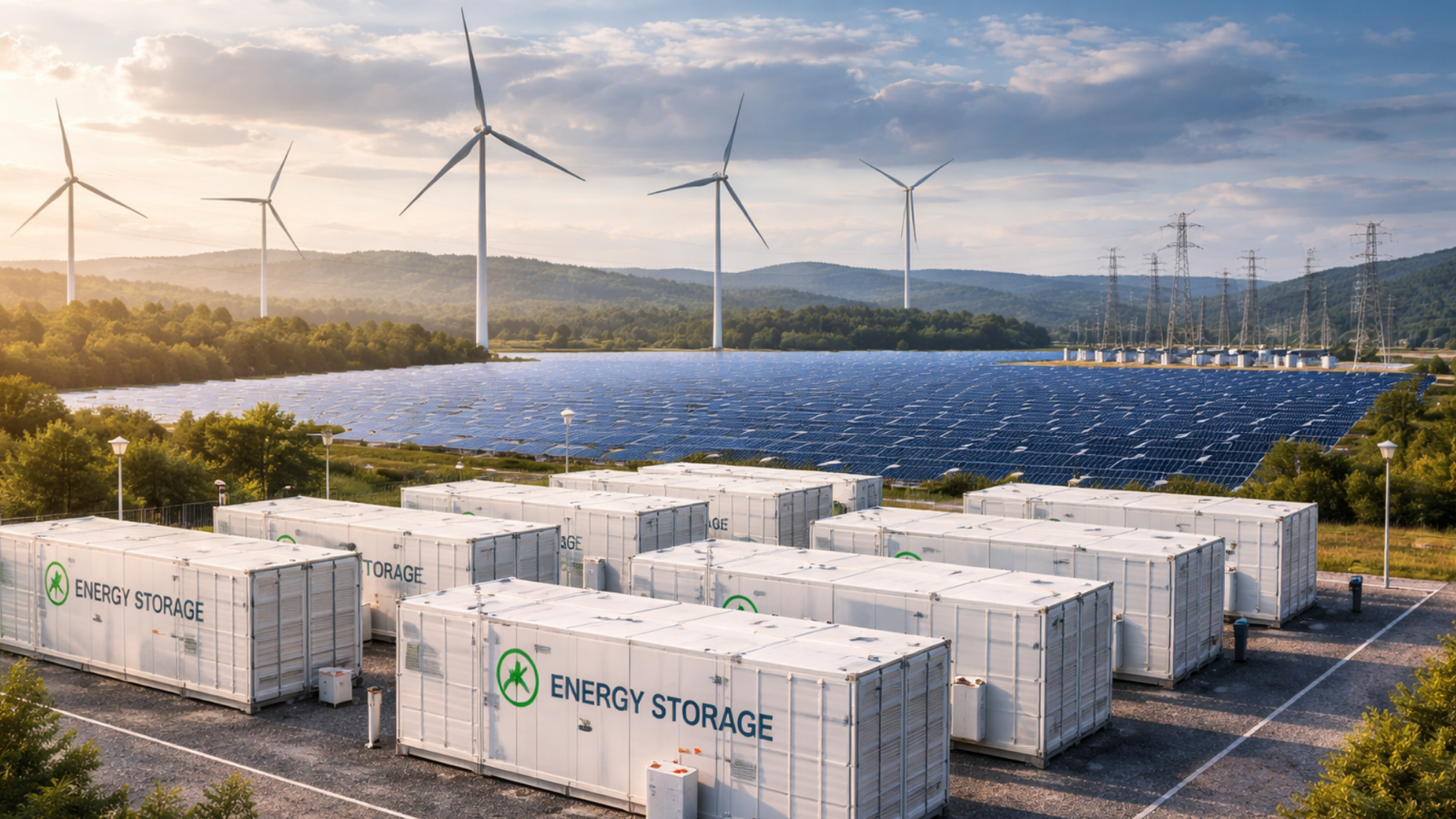
Focusing on storage infrastructure, the Pumped Storage Project Policy 2025 targets the development of 75 GWh of pumped hydro storage capacity by 2035, with an estimated investment requirement of Rs 75,000 crore. The storage capacity is intended to support grid stability and manage variability associated with renewable generation.
The Gujarat Green Hydrogen Policy-2025, which will remain operative until 31 December 2035, is expected to be the largest investment driver with an investment potential of over Rs 5 lakh crore and the creation of around six lakh jobs. It aims to establish 30 GW of electrolyser capacity and 75 GW of dedicated renewable capacity to enable production of 3 million tonnes per annum of green hydrogen. Current industrial demand is estimated at 1.3 MTPA and is expected to rise to 2 MTPA by 2030. The policy also targets a reduction of 2 million metric tonnes per annum of natural gas consumption and the elimination of 5 MMTPA of carbon dioxide emissions within the state.
The policy includes incentives such as capital subsidies for electrolysis-based projects, dedicated BESS installations and oxygen recovery systems, along with concessions on grid charges and stamp duty for eligible projects. Electrolyser projects in the 1 MW to 10 MW range are eligible for support, subject to defined capacity limits.
According to the “Roadmap for a Net Zero Power Sector in Gujarat” released in October 2025 by the Global Centre for Environment and Energy (GCEE), in collaboration with the CEEW and the UNEP Copenhagen Climate Centre, the Government of Gujarat, renewables accounted for about 32 per cent of Gujarat’s power generation in 2024. Installed renewable capacity reached around 30 GW by 2024, including 17.5 GW of solar and 12.5 GW of wind, with an additional 22 GW of solar and 7.2 GW of wind expected by March 2027. Gujarat has already announced a 100 GW renewable capacity target by 2030. Gujarat is an electricity-surplus state with a leading and rapidly expanding renewable energy sector, backed by ambitious targets, a strong project pipeline, and proactive institutions. The focus is now on executing the massive capacity additions, building necessary storage and grid infrastructure, and mobilising substantial investments to maintain its leadership role in India’s energy transition.
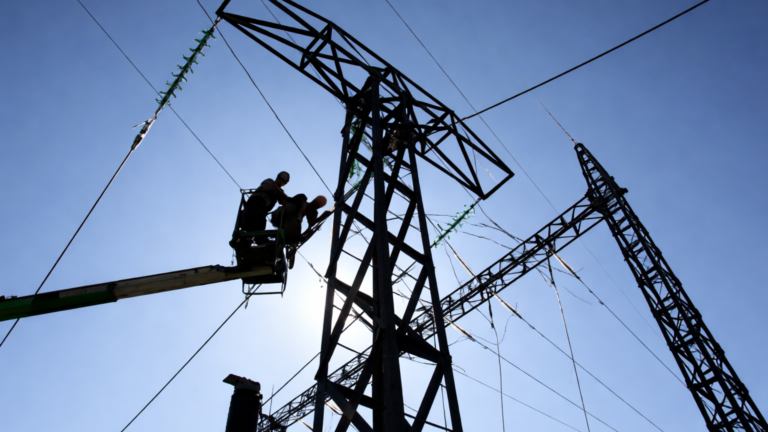
The featured photograph is for representation only.