National green hydrogen mission: Targets, incentives and market signals
Author: PPD Team Date: March 1, 2026
The National Green Hydrogen Mission (NGHM) positions green hydrogen at the centre of India’s long-term industrial decarbonisation strategy. While the technology is not yet commercially viable at scale, the government has introduced production incentives and competitive bidding mechanisms to accelerate deployment.
Mission outlay and capacity target
Launched with a financial outlay of Rs 19,744 crore, the NGHM aims to establish 5 million metric tonnes per annum (MMT) of green hydrogen production capacity by 2030. The objective is to develop India as a global hub for production, utilisation and export of green hydrogen and its derivatives, including green ammonia and green methanol.
As of February 2026, expenditure under the mission stood at Rs 249.44 crore, indicating that a significant share of allocated funds remains to be deployed as projects progress from award stage to implementation.
SIGHT programme and manufacturing awards
The Strategic Interventions for Green Hydrogen Transition (SIGHT) Programme is the financial mechanism underpinning the mission. It provides production-linked incentives for both electrolyser manufacturing and green hydrogen production.
Under the electrolyser manufacturing component, 3,000 MW per annum of capacity has been awarded to 15 companies, creating domestic manufacturing capability and reducing reliance on imports.
Under SIGHT Mode 1, which covers production incentives, 8,62,000 metric tonnes per annum (MTPA) of green hydrogen production capacity has been awarded to 19 companies. Major awardees include Reliance Industries (1,39,000 MTPA across two awards), Acme Cleantech Solutions, Greenko ZeroC and Waaree Clean Energy Solutions, each with 90,000 MTPA.
The incentive structure declines over time. Support for green ammonia is set at Rs 8.82 per kg in the first year, Rs 7.06 in the second year and Rs 5.30 in the third year. The tapering structure is intended to encourage cost reductions and transition towards commercial competitiveness.
Green ammonia auction outcomes
Green ammonia is currently the most commercially advanced application of green hydrogen, particularly for fertiliser production. The Solar Energy Corporation of India Limited (SECI) has conducted competitive auctions for 7,24,000 MTPA of green ammonia supply to 13 fertiliser units across India. This corresponds to 1,27,786 MTPA of green hydrogen. Discovered prices ranged between Rs 49.75 and Rs 64.74 per kg.
Replacing 2.5 MMT of grey ammonia with green ammonia would reduce greenhouse gas emissions by about 5 million tonnes of carbon dioxide equivalent annually. India imports significant volumes of grey ammonia and related fertilisers. Domestic green ammonia production could reduce import dependence while lowering industrial emissions.
Role in net zero 2070 strategy
Green hydrogen is intended primarily for hard-to-abate sectors rather than electricity generation. Steel, cement, shipping, aviation and chemicals account for a large share of industrial emissions and are difficult to decarbonise through direct electrification alone.
The 5 MMT target by 2030 is ambitious given current cost levels. Achieving it will depend on reductions in production costs and development of export markets, including in Europe and Japan. The electrolyser manufacturing capacity, SIGHT incentive allocations and ammonia supply agreements established so far form the initial foundation for scale-up.
Source: Lok Sabha USQs 1843, 1949, 1952, 2046 (11.02.2026); Rajya Sabha USQs 309, 1115 (02–09.02.2026)
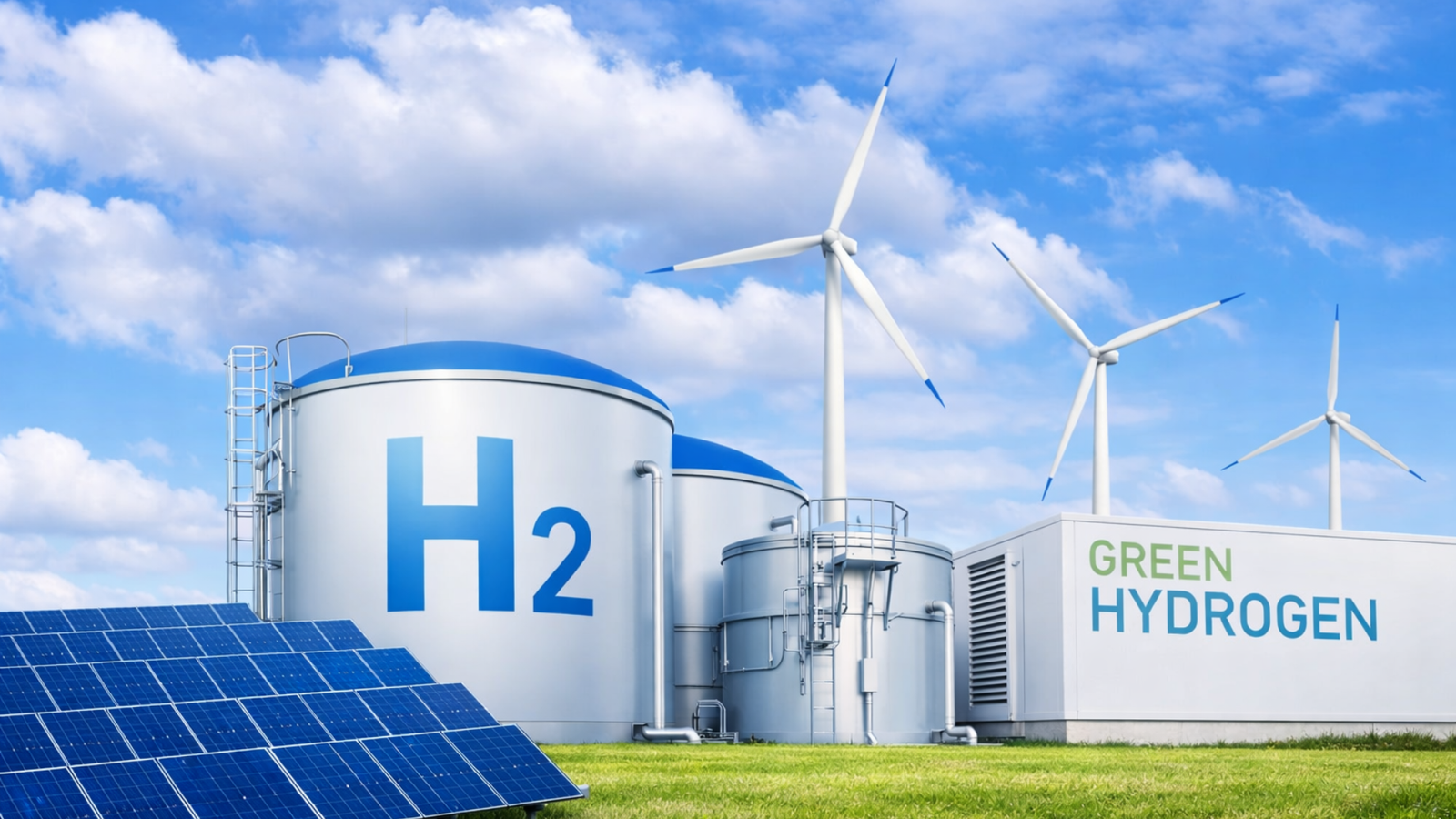
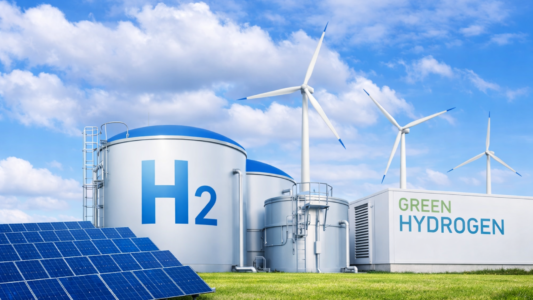
The featured photograph is for representation only.