India rejects China’s WTO panel request on PLI schemes
Author: PPD Team Date: January 29, 2026
India has declined to accept the establishment of a dispute panel at the World Trade Organization (WTO) over its Production Linked Incentive (PLI) schemes for the automotive and renewable energy technology sectors. The issue was discussed at a meeting of the Dispute Settlement Body (DSB) held on 27 January 2026, following a request from China.
At the meeting, China submitted a formal panel request concerning India’s PLI schemes covering advanced chemistry cell (ACC) batteries, automobiles, auto components and electric vehicles (EVs). China argued that the incentives are linked to the use of domestically manufactured goods and therefore discriminate against imported products, including those from China. According to China, these provisions are inconsistent with WTO rules.
Responding at the DSB meeting, India said it had engaged in consultations with China in good faith but was not in a position to accept the panel request at this stage. India maintained that the measures are consistent with its obligations under the WTO framework and said China’s interpretation of the schemes was based on an incomplete or incorrect understanding of the policy design.
The dispute is tied to India’s broader industrial strategy under the Atmanirbhar Bharat programme, which seeks to strengthen domestic manufacturing and position the country as a global manufacturing hub. The PLI schemes are central to expanding domestic capacity in clean energy technologies, electric mobility and associated supply chains.
The DSB noted the discussion but did not establish a panel at the meeting. Under WTO procedures, China may submit a second request at a future DSB meeting, after which the panel would be automatically established.
The case adds to the global debate on how climate linked industrial policy and domestic manufacturing incentives interact with multilateral trade rules.
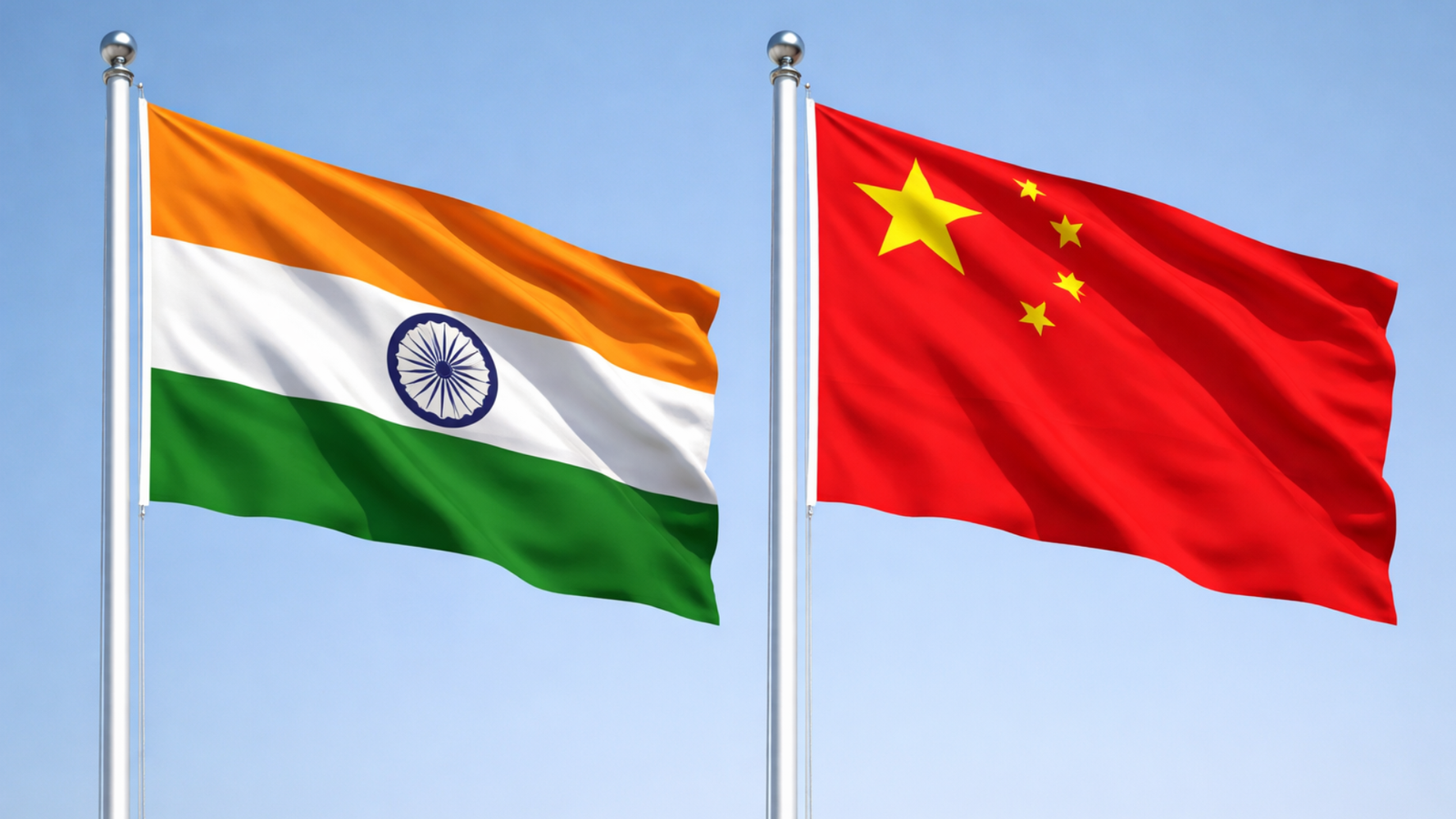
The featured photograph is for representation only.