
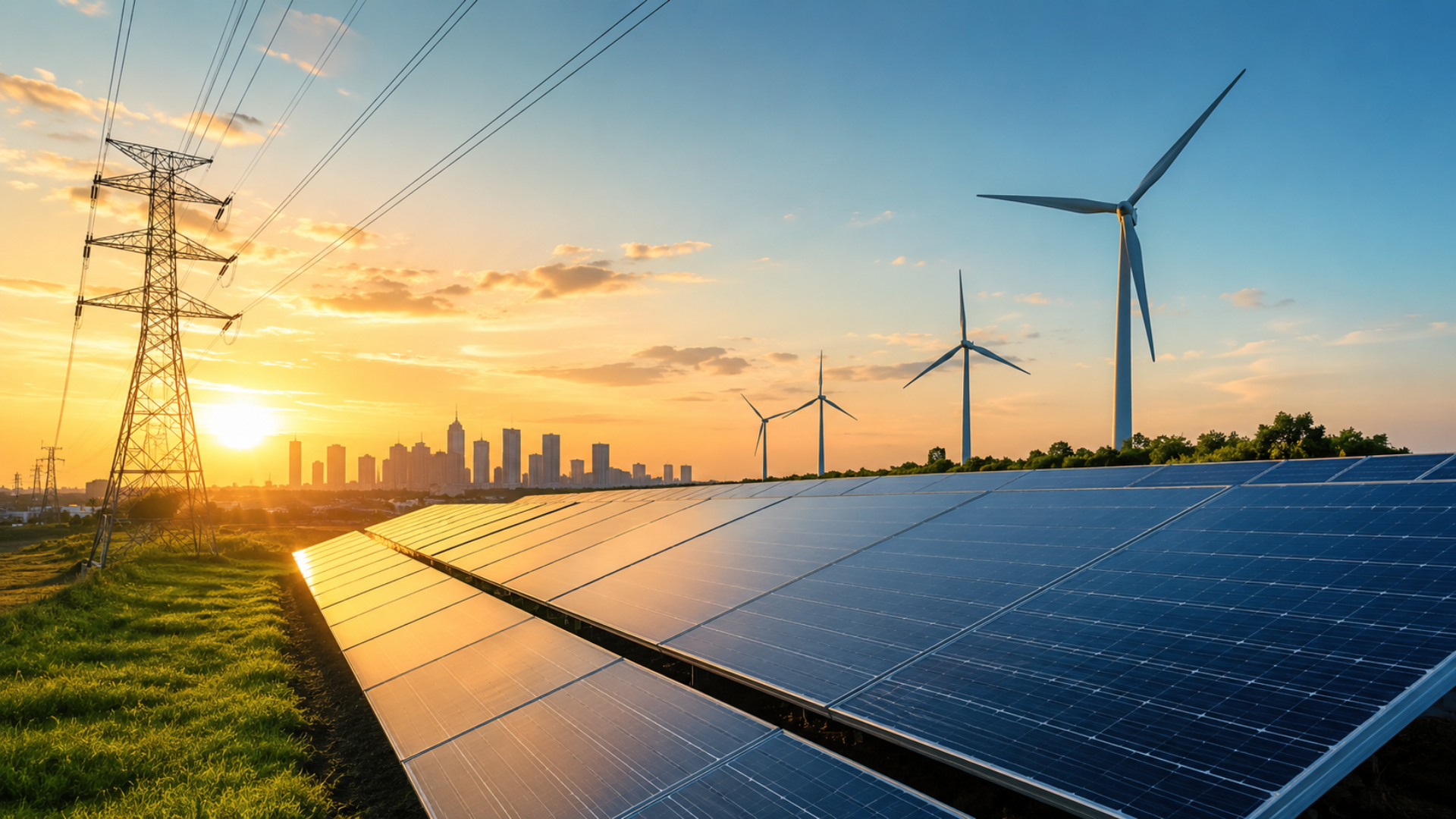
Global solar and wind generation surpass gas for the first time
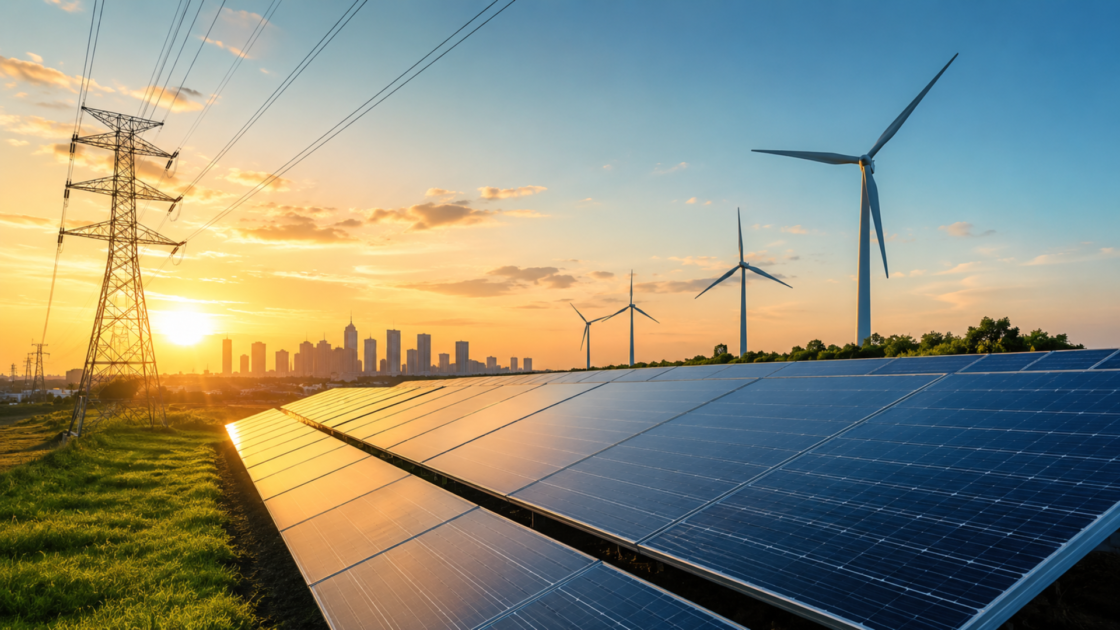
Electricity generation from solar and wind power globally exceeded gas-fired generation for the first time on record in April 2026, according to data analysed by British energy think tank Ember.
Combined electricity generation from wind and solar reached 531 terawatt-hours (TWh) during the month, accounting for 22% of global electricity generation. In comparison, gas-fired power plants generated 477 TWh, representing 20% of total global generation.
Ember noted that the milestone marks a significant shift from April 2021, when gas-fired generation stood at 476 TWh while combined wind and solar output was only 245 TWh.
According to Ember analysts, sustained growth in renewable energy capacity enabled wind and solar to meet most of the increase in global electricity demand while limiting growth in gas-fired generation.
The development follows a broader trend identified in Ember’s Global Electricity Review, which found that wind and solar met all global electricity demand growth during 2025.
Energy crisis impact
The milestone came during the first full month of the recent global energy crisis linked to the conflict in the Middle East. Despite concerns regarding energy security, Ember stated that there is currently no evidence of a widespread global shift from gas-fired generation back to coal.
Kostantsa Rangelova, Global Electricity Analyst at Ember, said the current energy crisis has reinforced the economic advantages of renewable energy over imported gas while increasing political pressure to accelerate renewable deployment.
She added that for many import-dependent countries, liquefied natural gas (LNG)-based electricity is becoming increasingly less competitive compared to domestically available wind and solar energy.
Regional trends
Globally, wind and solar generation is estimated to have increased 13% year-on-year during April 2026. Major growth markets included China, where generation increased 14%, the European Union at 13%, the United Kingdom at 35%, the United States at 8%, Australia at 17%, Chile at 24%, and Brazil at 4%.
Ember noted that the crossover between wind and solar generation and gas-fired generation has so far occurred only during a single month rather than on an annual basis.
The think tank explained that April is typically the most favourable month for such a development because spring conditions in the Northern Hemisphere support both strong wind generation and rising solar output. Electricity demand is also generally lower between heating and cooling seasons, reducing gas-fired generation requirements.