
Kolkata’s data centre load set to surge 48% a year till 2030, ERPC warns
The Eastern Regional Power Committee (ERPC) has flagged the rapid growth of data centre electricity demand as an emerging challenge for grid operation, citing the concentration of large loads, fast power variations and technical characteristics that could affect voltage and frequency stability.
The Eastern Regional Load Despatch Centre (ERLDC) noted that large-scale data centres are beginning to alter traditional demand profiles as cloud computing, artificial intelligence (AI) and digital services expand. Kolkata currently has 16 MW of connected data centre capacity, while the load is projected to grow at a Compound Annual Growth Rate (CAGR) of 48% up to 2030.
ERPC has consequently directed all State Load Despatch Centres (SLDCs) and utilities in the region to provide detailed information on data centres with connected loads of 5 MW and above to ERPC and ERLDC, allowing their impact to be incorporated into grid planning and operational studies.
Load profile
The concern extends beyond the amount of electricity consumed. Experience from power systems globally indicates that data centres are concentrated loads with extensive power-electronic interfaces and cooling requirements. Cooling systems account for 35-40% of total data centre demand and predominantly comprise induction motor loads.
This combination can aggravate Fault-Induced Delayed Voltage Recovery (FIDVR), where voltage remains depressed after a fault instead of recovering promptly. The Eastern Region has already experienced FIDVR events in Kolkata and Bhubaneswar, making the changing composition of large electricity loads relevant to system security.
ERLDC also differentiated conventional IT and storage data centres from AI-inference, AI-training and crypto-mining operations, which can exhibit sharp and rapid power ramps. Such variations introduce additional operational considerations for balancing demand and maintaining grid stability.
A recent event cited in the deliberations illustrated the potential risk. Multiple transmission-line faults near a data centre resulted in a cascading load trip within three to four seconds, leading to sudden frequency and reactive power swings.
Data requirement
ERPC identified inadequate regional-level visibility and reporting of data centre loads as a key planning gap. Without detailed information on these facilities, their demand characteristics cannot be adequately incorporated into resource adequacy assessments, demand forecasting, transmission planning and grid reliability studies.
SLDCs and utilities have therefore been asked to compile information on all data centres of 5 MW and above, covering existing connected load and ultimate planned capacity, phased capacity addition schedules, and the composition of IT, cooling and auxiliary loads.
The information must also cover the nature of power-electronic interfaces and Uninterruptible Power Supply (UPS) systems, along with expected load ramp rates. The data is intended to give ERPC and ERLDC greater visibility into how rapidly expanding data centre demand could affect the operation, planning and stability of the Eastern Region power system.
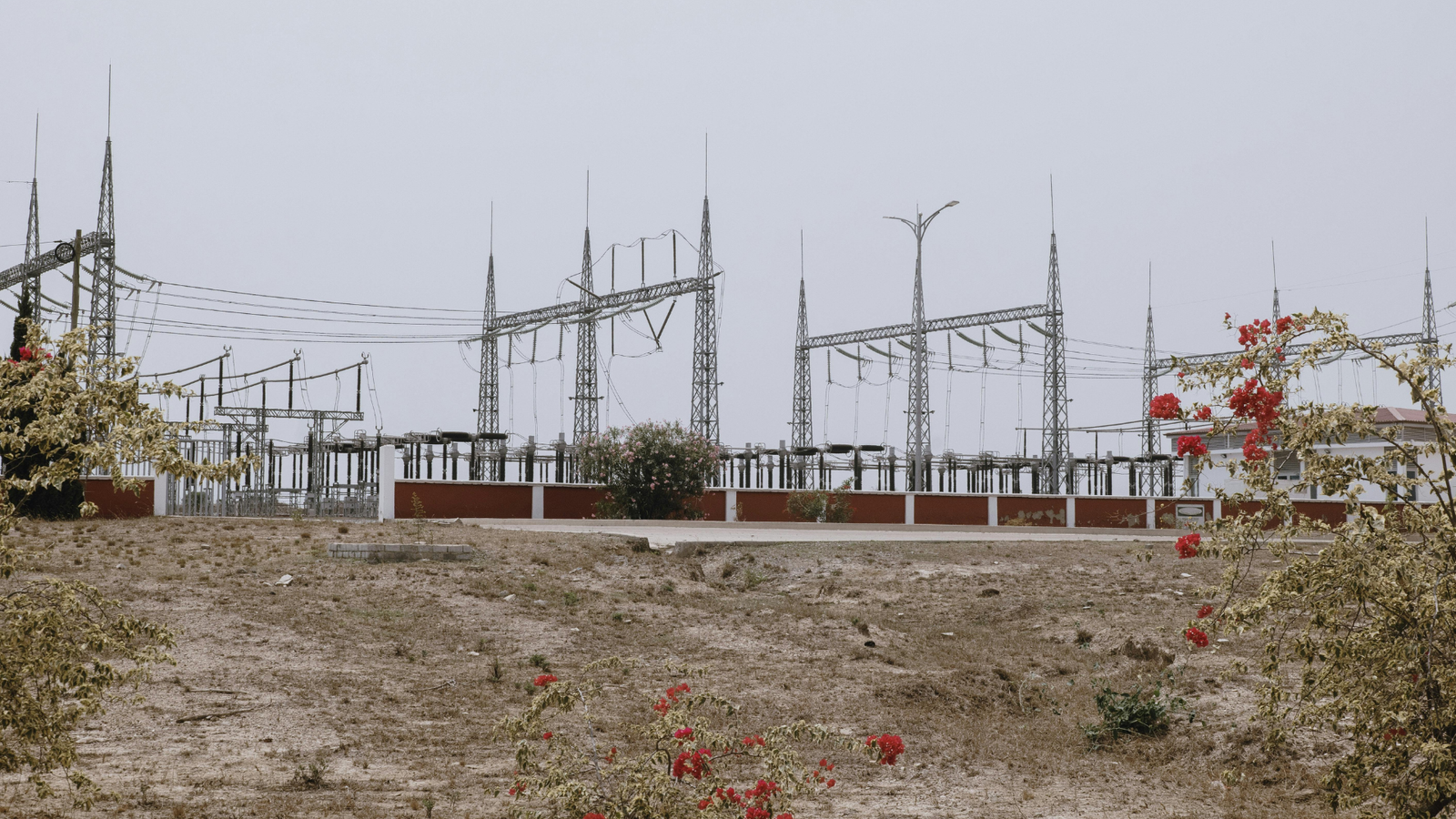
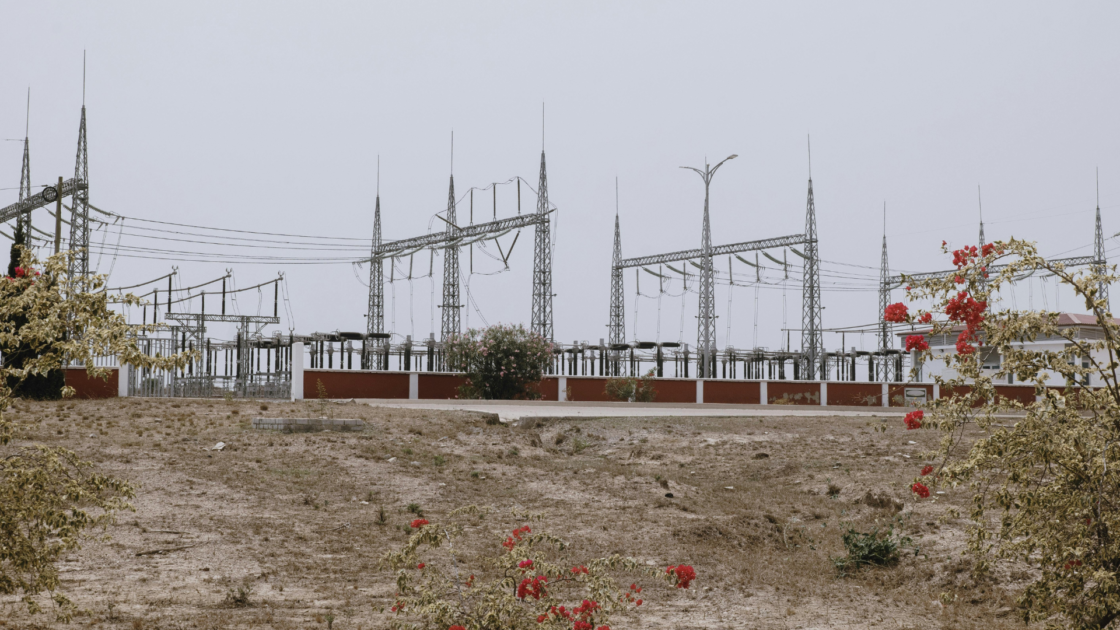
The featured photograph is for representation only.