
Arunachal Pradesh’s Attunli hydro project gets EAC’s environmental nod
The Expert Appraisal Committee (EAC) for River Valley and Hydroelectric Projects has recommended environmental clearance for SJVN Limited’s 680 MW Attunli Hydroelectric Project in Dibang Valley district of Arunachal Pradesh. The recommendation will now be considered by the Ministry of Environment, Forest and Climate Change for final clearance.
The project envisages an 85-metre concrete gravity dam across the Tangon (Talo) river, along with a 7.955 km head race tunnel, a 93-metre surge shaft and twin pressure shafts. The underground powerhouse will be equipped with four 170 MW Francis turbines, while a tailrace tunnel will discharge water back into the river.
The project requires 261.53 hectares of forest land, for which Stage-I forest clearance was granted in June 2026. The project was initially conceived by Attunli Hydro Electric Power Company Limited, a joint venture of Jindal Power and the Hydro Power Development Corporation of Arunachal Pradesh, before being allotted to SJVN.
The project received techno-economic clearance in 2018. The Central Electricity Authority has subsequently extended its concurrence on the detailed project report up to June 2027.
The estimated project cost is Rs 7,505.24 crore without SGST reimbursement and Rs 7,096.27 crore with SGST reimbursement. The project has also earmarked Rs 133.29 crore for the Environmental Management Plan.
Rehabilitation
The project will require land acquisition across seven villages and is expected to affect 92 project-affected families and 366 project-affected persons. Of the affected families, 37 will be displaced because of the loss of their homes. SJVN has earmarked Rs 24.32 crore for rehabilitation and resettlement.
A public hearing was conducted at Athunli on 1 April 2026 under the chairmanship of the Deputy Commissioner. The EAC subsequently examined SJVN’s action plan addressing the issues raised during the hearing and found it satisfactory. The committee directed the developer to implement the commitments made during the public hearing within a time-bound framework.
Environmental flows
The environmental flow regime downstream of the project was among the key issues examined by the EAC. The Central Inland Fisheries Research Institute (CIFRI) had earlier recommended site-specific minimum flows for the Attunli river.
The EAC noted that the project’s terms of reference required adherence to the Cumulative Impact Assessment and Carrying Capacity study for the Dibang river basin. The ministry approved the study in 2016, but the CIFRI recommendation was not incorporated into the terms of reference.
Accordingly, the committee directed SJVN to adopt the environmental flow norms specified in the Dibang basin study. The prescribed releases are 17.60 cubic metres per second during the lean season, 23.60 cumecs during the monsoon and 19.80 cumecs during the remaining months.
Wildlife impact
The project is located in proximity to the Dibang Wildlife Sanctuary and the Dihang-Dibang Biosphere Reserve. The tail end of the proposed reservoir is approximately 3.7 km from the wildlife sanctuary, making wildlife-related safeguards another consideration in the EAC’s appraisal.
The EIA identified 27 mammal species, the Great Hornbill and two herpetofauna species under Schedule I of the Wildlife Protection Act within the study area. The developer, however, stated that tiger and Bengal florican were not present in the study area.
With the EAC now recommending environmental clearance, the proposal moves to the Ministry of Environment, Forest and Climate Change for final consideration. The recommendation remains subject to standard EC conditions as well as the specific safeguards and requirements recorded in the minutes of the EAC meeting.
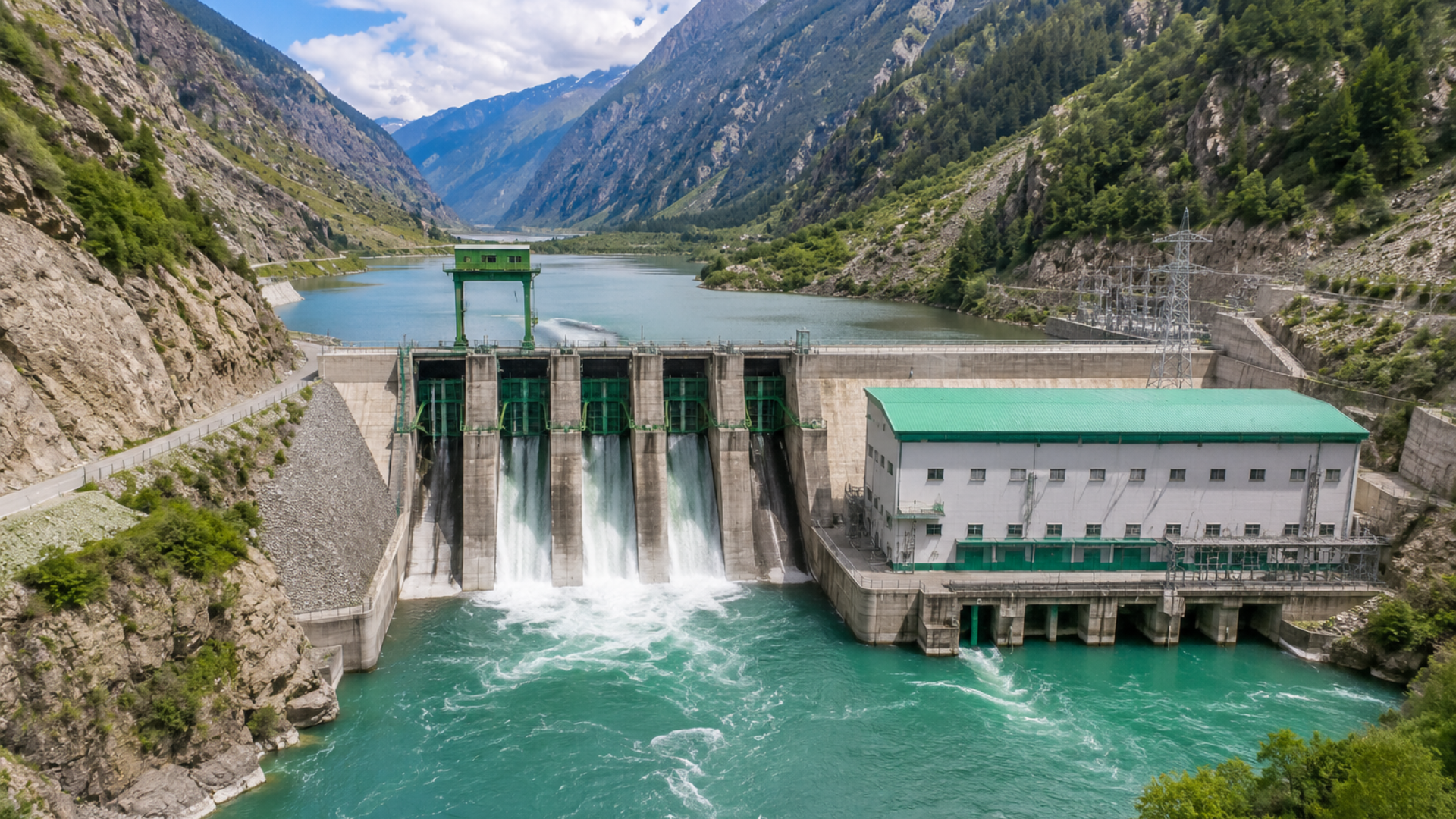
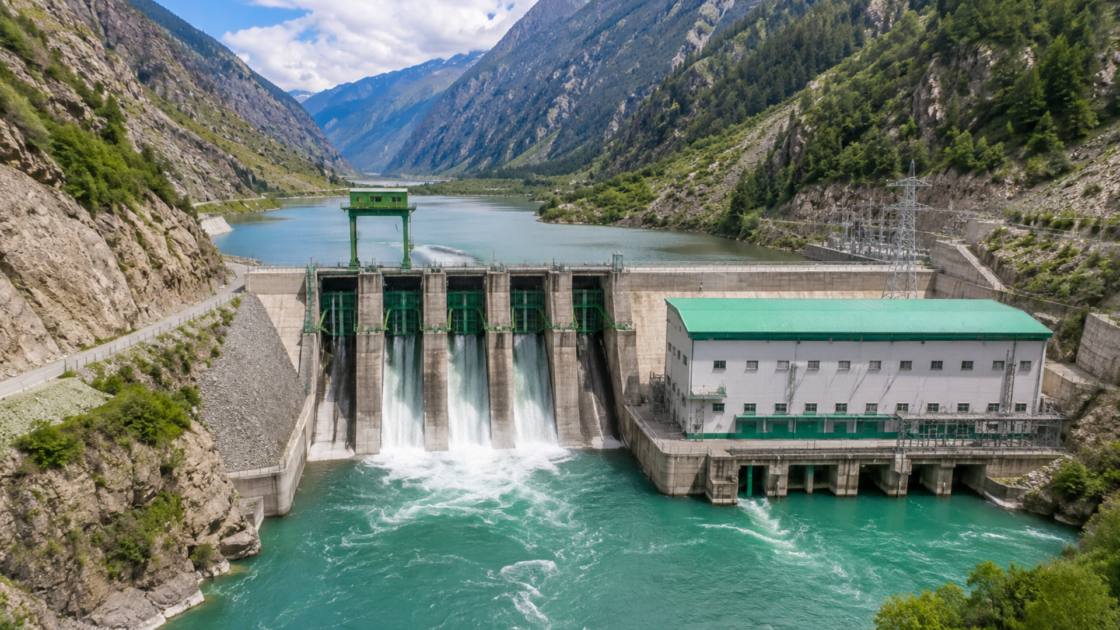
The featured photograph is for representation only.
