RERC approves 172 pilot BESS projects across Rajasthan
The Rajasthan Electricity Regulatory Commission (RERC) has granted in-principle approval for 172 small-scale standalone Battery Energy Storage System (BESS) projects on a pilot basis across the three state distribution licensees. The projects will comprise 1 MW/4 MWh systems at identified 33/11 kV substations and will be developed under a Build-Own-Operate (BOO) model through tariff-based competitive bidding.
The projects will be implemented by Jaipur Vidyut Vitran Nigam Limited (JVVNL), Ajmer Vidyut Vitran Nigam Limited (AVVNL) and Jodhpur Vidyut Vitran Nigam Limited (JDVVNL), with tariffs to be adopted under Section 63 of the Electricity Act, 2003.
The order was issued by a bench comprising Chairman Dr. Rajesh Sharma and Members Hemant Kumar Jain and Vijay Pal Singh.
Project locations
Of the 172 identified locations, 12 are under JVVNL, 10 under AVVNL and 150 under JDVVNL. The locations were selected based on technical, operational and system-planning considerations, including load-curve analysis, network conditions, renewable energy integration and peak demand management.
During the hearing on August 12, 2026, RERC noted that JDVVNL had replaced approximately 18 locations from the list originally submitted with its petition. About 16 of the newly added locations are in the Bikaner (DC) Circle.
The Commission broadly accepted the revised list but directed the Discoms to re-examine the changed locations and conduct appropriate technical and load-flow studies, particularly for the locations in the Bikaner Circle. The results are to be submitted to the Commission.
Pilot rationale
The petitioners said Rajasthan’s power system has undergone significant changes with the rapid growth of renewable energy, including through the PM-KUSUM Scheme and PM Surya Ghar: Muft Bijli Yojana. The resulting variability and intermittency in generation have increased operational challenges, including steep demand-supply mismatches.
The Discoms highlighted the “duck curve” effect, where high solar generation during the day is followed by a steep increase in demand during the evening. The proposed BESS projects are intended to address these conditions through peak load management, renewable energy integration, network congestion relief, voltage and frequency support, and reduction of transmission and distribution losses.
An indicative cost-benefit analysis submitted by the petitioners showed potential net savings of Rs 1.41 to Rs 3.27 per unit compared with peak power procurement from exchanges. This translates to estimated annual savings of approximately Rs 0.21 crore to Rs 0.48 crore per project.
Bidding framework
The projects will be awarded through tariff-based competitive bidding on a BOO basis for a 15-year contract period. The systems must achieve a minimum AC-to-AC roundtrip efficiency of 85% on a monthly basis and guarantee annual system availability of 95%.
Each system must complete at least 6,300 operating cycles over the 15-year contract period. Part commissioning will be permitted at the awarded lot level rather than for individual projects.
The framework provides for liquidated damages in case of commissioning delays, with termination provisions applicable beyond eight months. Payment security will be provided through a Letter of Credit and Escrow arrangement.
The Discoms will provide charging energy to the BESS free of cost, subject to a maximum of 4.71 MWh per day. This limit is calculated as [1 MW x 4 hours] / 85% roundtrip efficiency. Any over-drawal beyond the limit will attract a penalty at the Average Power Purchase Cost (APPC) tariff of the previous financial year.
Regulatory deviations
RERC approved several deviations from the standard BESS bidding guidelines, citing the early stage of BESS deployment at the 33/11 kV level and the absence of fully standardised frameworks for small-scale projects.
These include a single injection point at 11 kV without a scheduling or deviation settlement mechanism, no Distributed Energy Resource Aggregator (DERA) registration mechanism, and a modified financial closure timeline of six months.
Part commissioning has been permitted at the lot level, allowing 1 MW/4 MWh units within a larger awarded lot to be commissioned separately. The Commission also approved a reduced liquidated damages timeline, with the applicable period extending beyond six months up to eight months, and an Escrow arrangement in addition to a Letter of Credit for payment security.
RERC clarified that these deviations require approval from both the Commission and the State Government under the BESS bidding guidelines and Regulation 9 of the RERC BESS Regulations, 2026.
Resource planning
The Commission noted that Regulation 5.2 of the RERC (BESS) Regulations, 2026 requires distribution licensees and the State Transmission Utility (STU) to plan energy storage capacity based on system reliability, load requirements and renewable energy integration.
Regulation 9.1 requires tariff-based competitive bidding, with deviations requiring Commission approval, while also allowing alternative procurement methods for pilot projects.
RERC also noted that the RERC (Framework for Resource Adequacy) Regulations, 2026 require distribution licensees to contract storage capacity corresponding to capacity addition requirements identified under the Long-Term Resource Adequacy Plan (LT-DRAP). The Discoms have therefore been directed to incorporate the proposed pilot BESS capacity in their forthcoming Resource Adequacy Plans.
Future deployment
The Discoms have been directed to submit the results of the pilot projects to RERC, including their impact on peak load management and savings, along with recommendations for future deployment.
The approval is specific to the pilot project and will not be treated as a precedent. RERC has also directed the Discoms to give wide publicity to the tenders to ensure adequate participation and submit justification for tariff reasonableness when seeking tariff adoption.
The Distribution Licensees and STU have also been directed to prepare a comprehensive BESS deployment plan in accordance with the RERC BESS Regulations, 2026.
DTR pilots
RERC has separately allowed the Discoms to undertake other small Distribution Transformer (DTR)-level BESS projects on a pilot and regulatory sandboxing basis in Capital Expenditure (CAPEX) mode, subject to prior Commission approval.
Expenditure on these projects may be considered for inclusion in the Aggregate Revenue Requirement (ARR), subject to prudence check and Commission approval. The Discoms must submit the learnings from these pilots to RERC before undertaking larger-scale deployment.
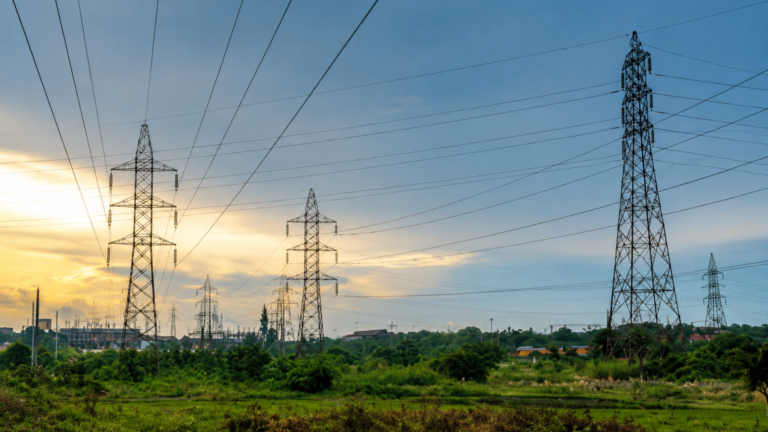
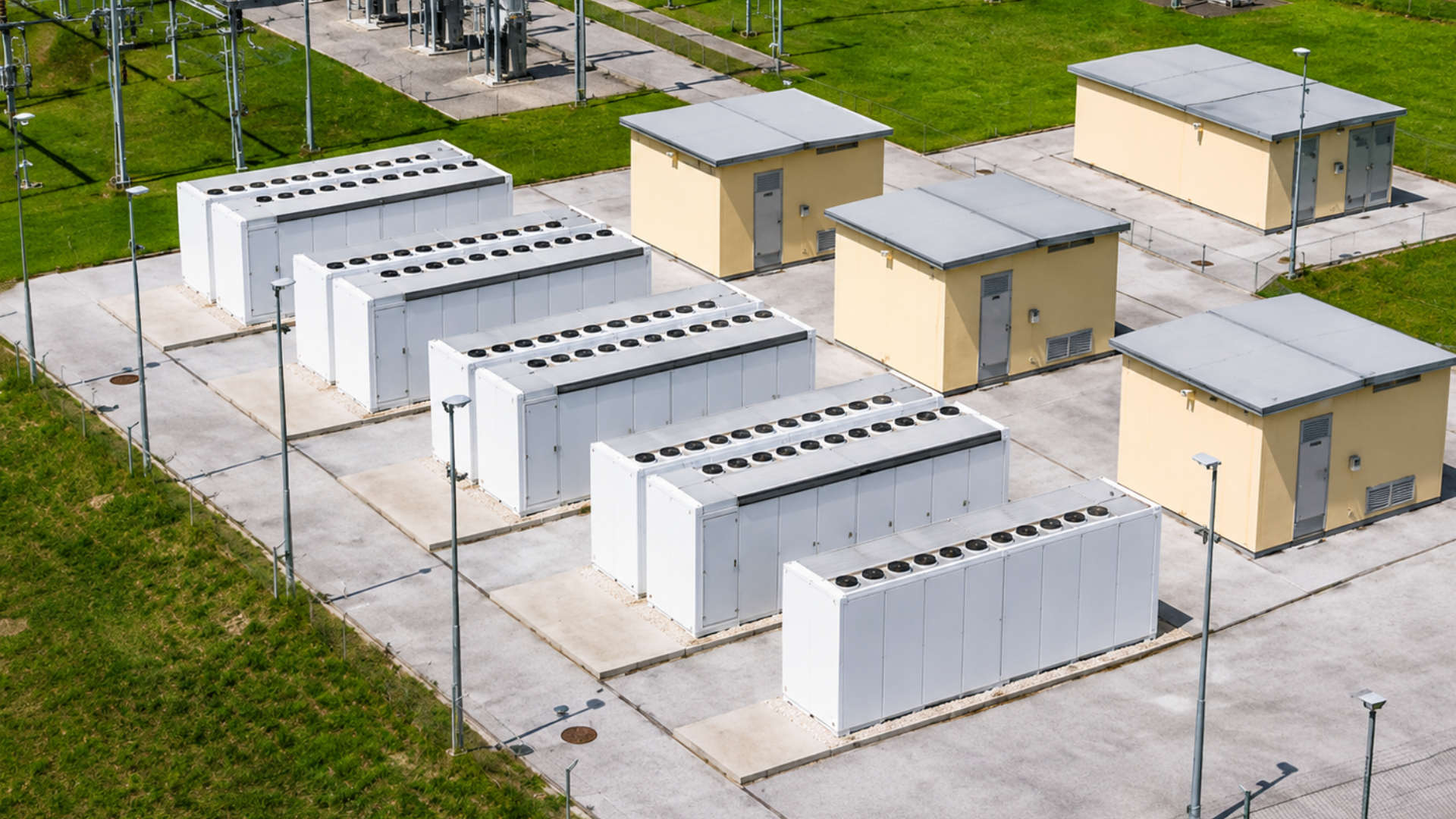
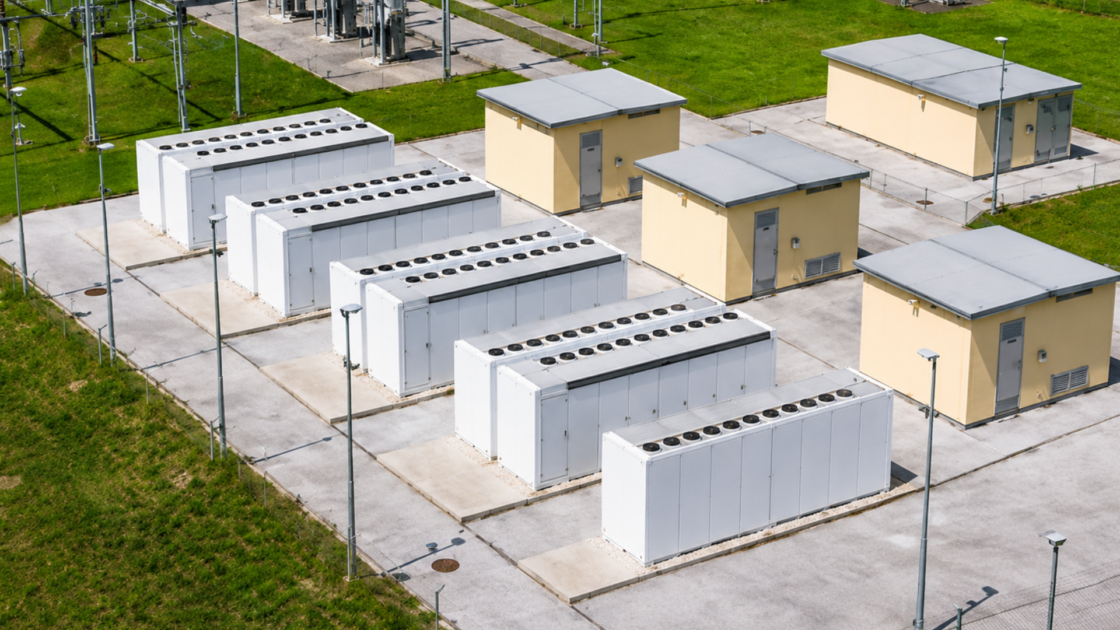
The featured photograph is for representation only.