
CEA clarifies GFM mandate for BESS projects, spares those with concluded bids
The Central Electricity Authority (CEA) has clarified the implementation of its advisory mandating the use of 100% Grid-Forming Invertors (GFMs) in large Battery Energy Storage System (BESS) projects, exempting projects that have already reached advanced stages of procurement.
The clarification follows queries from stakeholders after the CEA issued the advisory on July 10, 2026. Approved by the CEA Chairperson, the latest communication specifies the applicability of the requirement, the categories of exempt projects and the compliance framework for future installations.
Applicability
The CEA clarified that the advisory takes effect from July 10, 2026.
However, BESS projects for which bids are concluded by August 10, 2026, or where purchase orders were placed before July 10, 2026, will not be required to comply with the new requirement.
The mandate will apply to all upcoming BESS projects with a capacity of 50 MW and above.
Compliance requirements
The authority said testing, certification and compliance verification for GFM-enabled BESS projects will be carried out in accordance with the Central Electricity Authority (Technical Standards for Connectivity to the Grid) Regulations, 2026.
Under the prescribed framework, developers will be required to submit Electromagnetic Transient (EMT) studies during the design stage. Projects must also demonstrate grid-forming and black-start capability during commissioning, while periodic re-verification will be undertaken as specified by the appropriate Load Despatch Centre.
Grid stability
The requirement for 100% GFMs forms part of the CEA’s broader effort to strengthen grid stability as the share of renewable energy in the power system increases.
Unlike conventional grid-following invertors, which depend on an existing grid reference for operation, GFMs can regulate voltage and frequency independently while providing synthetic inertia and black-start capability. These functions are expected to play an increasingly important role in maintaining grid stability as renewable energy capacity and battery storage deployment expand.
The clarification comes as India targets 500 GW of renewable energy capacity by 2030, with large-scale BESS expected to support renewable energy integration and improve grid reliability.
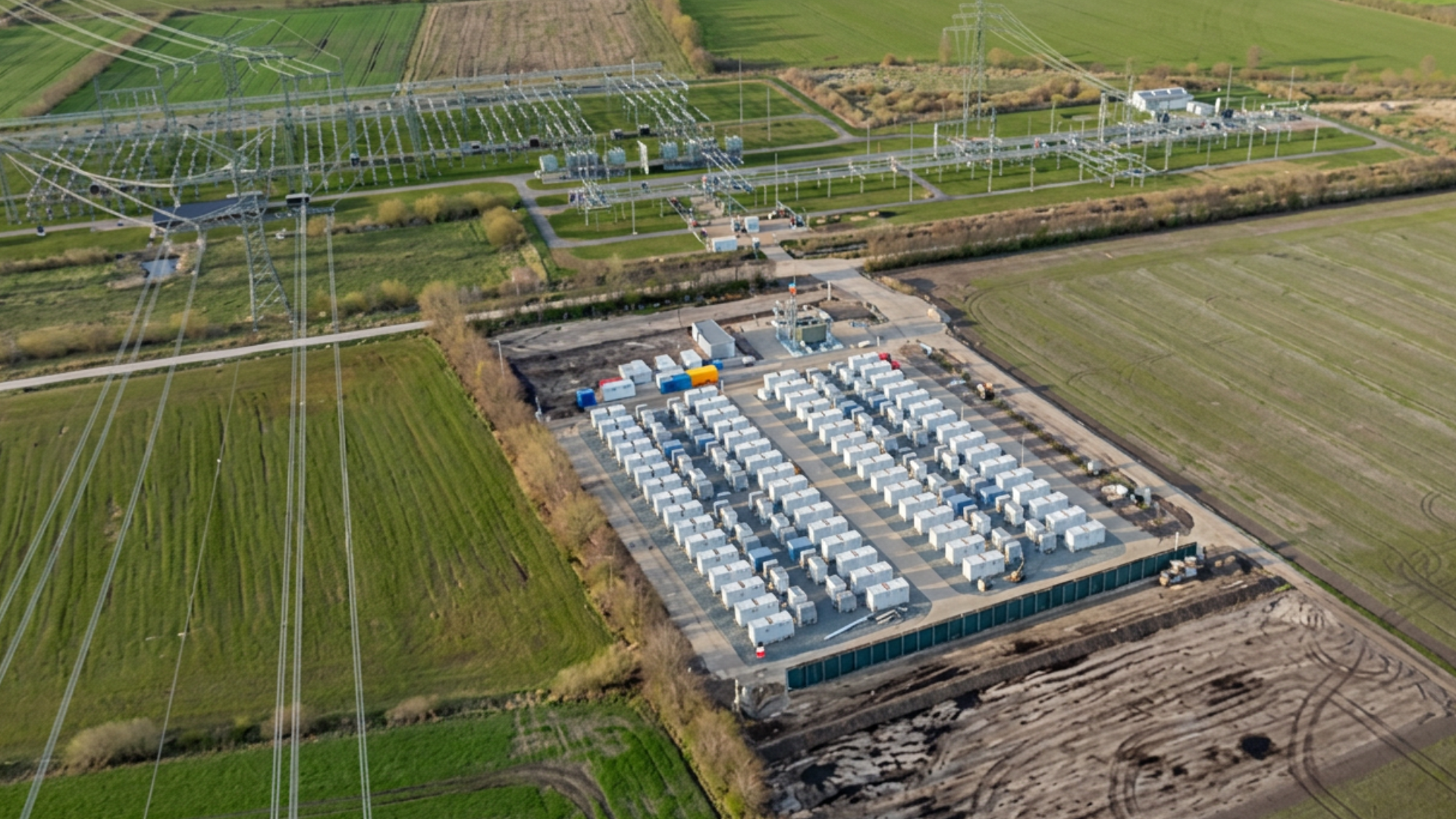
The featured photograph is for representation only.