
Rajasthan, California regulators sign MoI on grid modernisation and clean energy
The California Energy Commission (CEC), California Public Utilities Commission (CPUC) and Rajasthan Electricity Regulatory Commission (RERC) have signed a Memorandum of Intent (MoI) to collaborate on clean energy technologies, grid modernisation, renewable energy integration and grid reliability.
Executed on June 25, 2026, the MoI establishes a framework for knowledge exchange, policy dialogue, technical cooperation and sharing of global best practices. It covers renewable energy integration, grid modernisation and resilience, energy efficiency, transportation electrification, long-duration energy storage, energy forecasting and grid planning, and other emerging clean energy technologies.
Grid challenges
Rajasthan’s high share of renewable generation is a key area for cooperation. According to India Smart Grid Forum (ISGF) President Reji Kumar Pillai, Rajasthan has 62 GW of installed capacity, including 42 GW of solar and 6 GW of wind, with renewable energy accounting for nearly 80%.
Pillai said, “Rajasthan today operates one of the most complex grids with nearly 80% of renewable energy. Out of 62 GW of installed capacity in Rajasthan, 42 GW is solar and 6 GW is wind. Managing a grid with such high level of variable RE generation sources is a major challenge and requires advanced digital technologies and enabling regulatory framework. This collaboration between California and Rajasthan is expected to be mutually beneficial and would be an ideal test bed for new technologies and policy interventions.”
Rajasthan Energy Minister Heeralal Nagar said, “Rajasthan is a leader in clean energy in India. We have strong sunshine and good wind, and we are using them to produce more and more solar and wind power. We are also adding battery storage and smart meters, and improving our power grid, so that clean power reaches our people in a steady and affordable way. California has done excellent work in this field, and there is a lot we can learn from each other. This agreement is an important step. It allows our two sides to share knowledge, ideas and experience — on solar and wind power, storage, electric vehicles and grid reliability. I believe this will bring real benefits to the people of both Rajasthan and California.”
CEC Vice Chair Siva Gunda said, “California and Rajasthan are demonstrating how subnational partnerships can accelerate the clean energy transition through practical collaboration. This Memorandum of Intent provides a strong foundation for sharing technical expertise on renewable energy integration, grid reliability, energy forecasting, transportation electrification, and long-duration energy storage. We look forward to learning from one another as we work toward reliable, affordable, resilient, and increasingly clean energy systems.”
CPUC President John Reynolds said, “California and Rajasthan are confronting many of the same challenges as we transition to cleaner, more reliable, and more affordable energy systems. This Memorandum of Intent creates an important opportunity for our institutions to learn from one another, share regulatory experience, and strengthen our collaboration in support of the people we serve.”
The virtual signing ceremony was attended by Nagar, Gunda, Reynolds, RERC Member Hemant Kumar Jain and Pillai, who is also Chairman of the Global Smart Energy Federation (GSEF), along with senior officials from the participating organisations.
Following the signing, CEC acknowledged ISGF’s role in enabling the collaboration and recognised support from the India Energy and Climate Center at UC Berkeley and the UC Davis India Center for Energy and Climate in advancing the initiative.
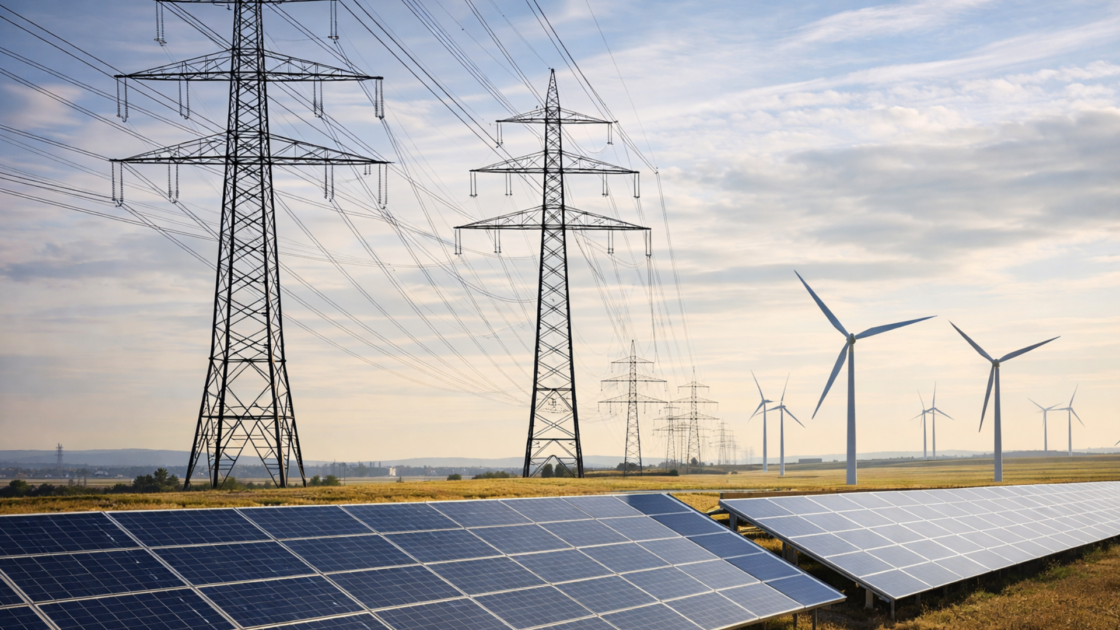
The featured photograph is for representation only.