Mizoram to replace 2010 grid code with new state-specific framework
The Mizoram Electricity Regulatory Commission (MERC) has released the draft Mizoram Electricity Grid Code Regulations, 2026, proposing a comprehensive framework for the planning, operation and commercial management of the state’s electricity system.
Issued on June 16, 2026, the draft regulations are intended to replace the Joint Electricity Regulatory Commission (Grid Code) Regulations, 2010, and establish a state-specific code aligned with the Indian Electricity Grid Code (IEGC), 2023, and other central regulations.
The proposed framework will apply to all entities connected to the Intra-State Transmission System (InSTS) at 33 kV and above, including generating stations, transmission licensees, distribution licensees, open access consumers and energy storage systems.
Planning framework
The draft regulations introduce an integrated planning framework covering demand forecasting, generation resource adequacy and transmission planning.
Under the proposal, the State Transmission Utility (STU) will be responsible for preparing short-, medium- and long-term plans to ensure that transmission and generation resources remain aligned with projected demand growth.
The regulations also establish requirements for connectivity procedures, connection agreements and site responsibility schedules for entities seeking access to the intra-state network.
Grid operations
The proposed Grid Code lays down detailed provisions relating to system operation, scheduling and dispatch.
The State Load Despatch Centre (SLDC) has been designated as the nodal agency responsible for optimum scheduling and dispatch of electricity within the state. The Code specifies procedures for declaration of Declared Capacity, revision of schedules, ramping requirements and minimum turndown levels for generating stations.
For renewable energy and storage projects, the regulations provide separate provisions covering scheduling, forecasting and operational requirements.
The draft also introduces detailed procedures for conducting trial runs and declaring the Commercial Operation Date (COD) for thermal, hydro, solar, wind, hybrid and energy storage projects.
System security
A significant portion of the draft regulations is dedicated to grid security and reliability.
The Code mandates periodic protection audits, implementation of under-frequency relay schemes and deployment of system protection schemes to prevent large-scale disturbances.
Generating stations will be required to maintain power factors within the range of 0.95 lagging to 0.95 leading, while the SLDC will have the authority to issue instructions relating to reactive power support and voltage management.
The regulations also prescribe procedures for restoration of the grid following partial or total blackouts, including provisions relating to black start facilities and grid-forming capabilities of inverter-based generating stations.
Ancillary services
Reflecting the increasing integration of renewable energy, the draft regulations incorporate provisions relating to ancillary services and demand flexibility.
The Code recognises Primary Reserve Ancillary Services (PRAS), Secondary Reserve Ancillary Services (SRAS) and Tertiary Reserve Ancillary Services (TRAS) as part of the state’s future grid management framework.
All generating stations will be required to provide primary response through Free Governor Mode of Operation (FGMO). Thermal generating units must maintain droop settings between 3% and 6%, while hydro stations will be required to maintain settings between 0% and 10%.
Cyber security
The proposed regulations also introduce mandatory cyber security requirements for all users connected to the state grid.
Entities will be required to establish cyber security frameworks in accordance with Central Electricity Authority (CEA) guidelines and the Information Technology Act, 2000. Periodic cyber security audits have also been proposed as a mandatory compliance requirement.
Institutional mechanism
The draft Code proposes the establishment of a State Power Committee (SPC) chaired by the Secretary, Power & Electricity Department.
The committee will comprise representatives from the STU, transmission and distribution licensees, the SLDC, renewable energy agencies and independent power producers. It will be responsible for overseeing Grid Code implementation, protection coordination, operational analysis and cyber security matters.
Compliance provisions
The regulations provide for commercial settlement through the applicable Deviation Settlement Mechanism (DSM) Regulations and include specific provisions for forecasting and scheduling of wind and solar generation.
A self-audit and compliance audit mechanism has also been proposed, with MERC retaining powers to initiate suo motu proceedings in cases of non-compliance.
Once notified, the Mizoram Electricity Grid Code Regulations, 2026, will replace the existing Joint Electricity Regulatory Commission framework and establish a dedicated regulatory structure for the state’s power system.
Stakeholders have been invited to review the draft regulations and submit comments and suggestions to the Commission.
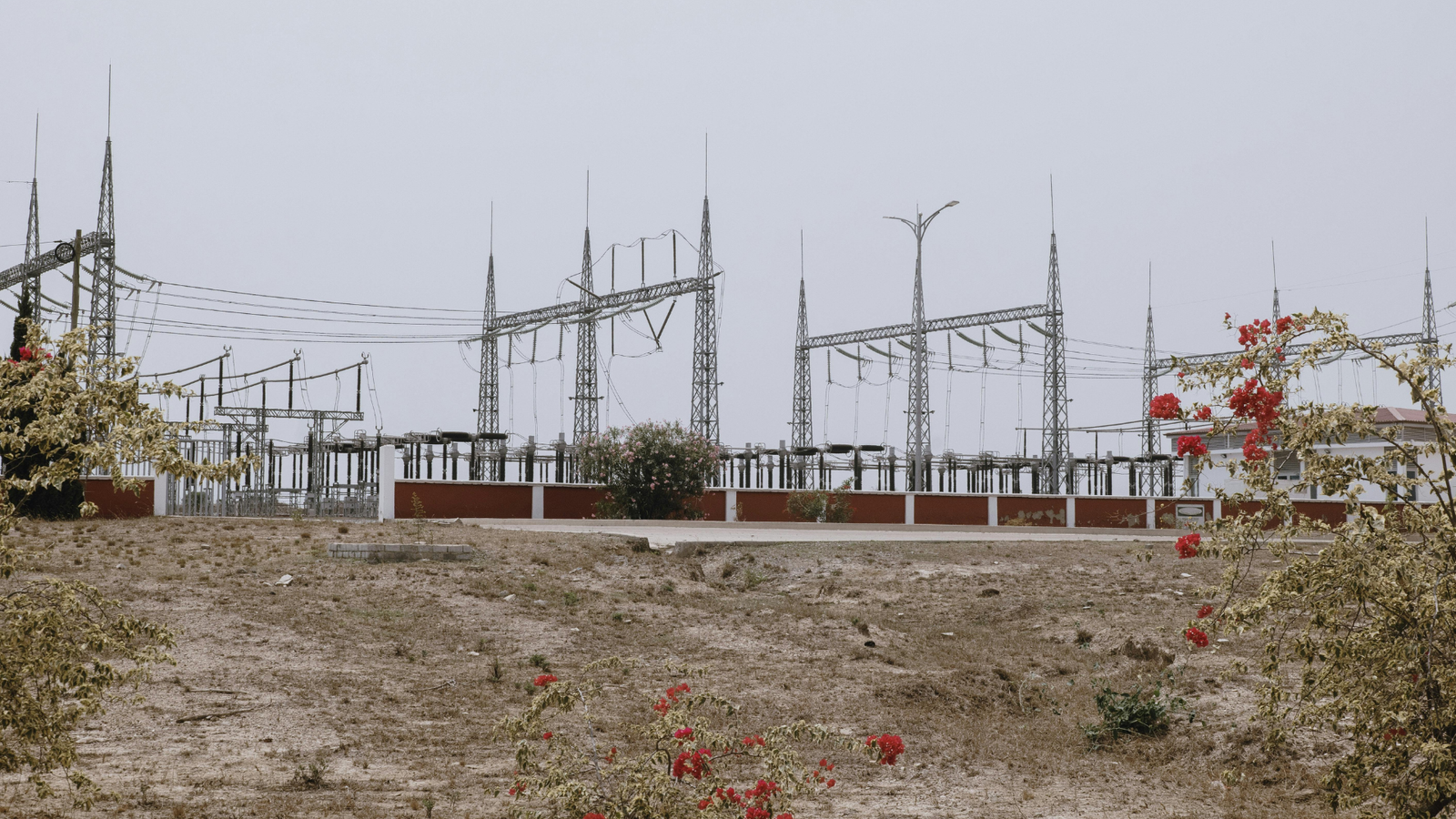
The featured photograph is for representation only.