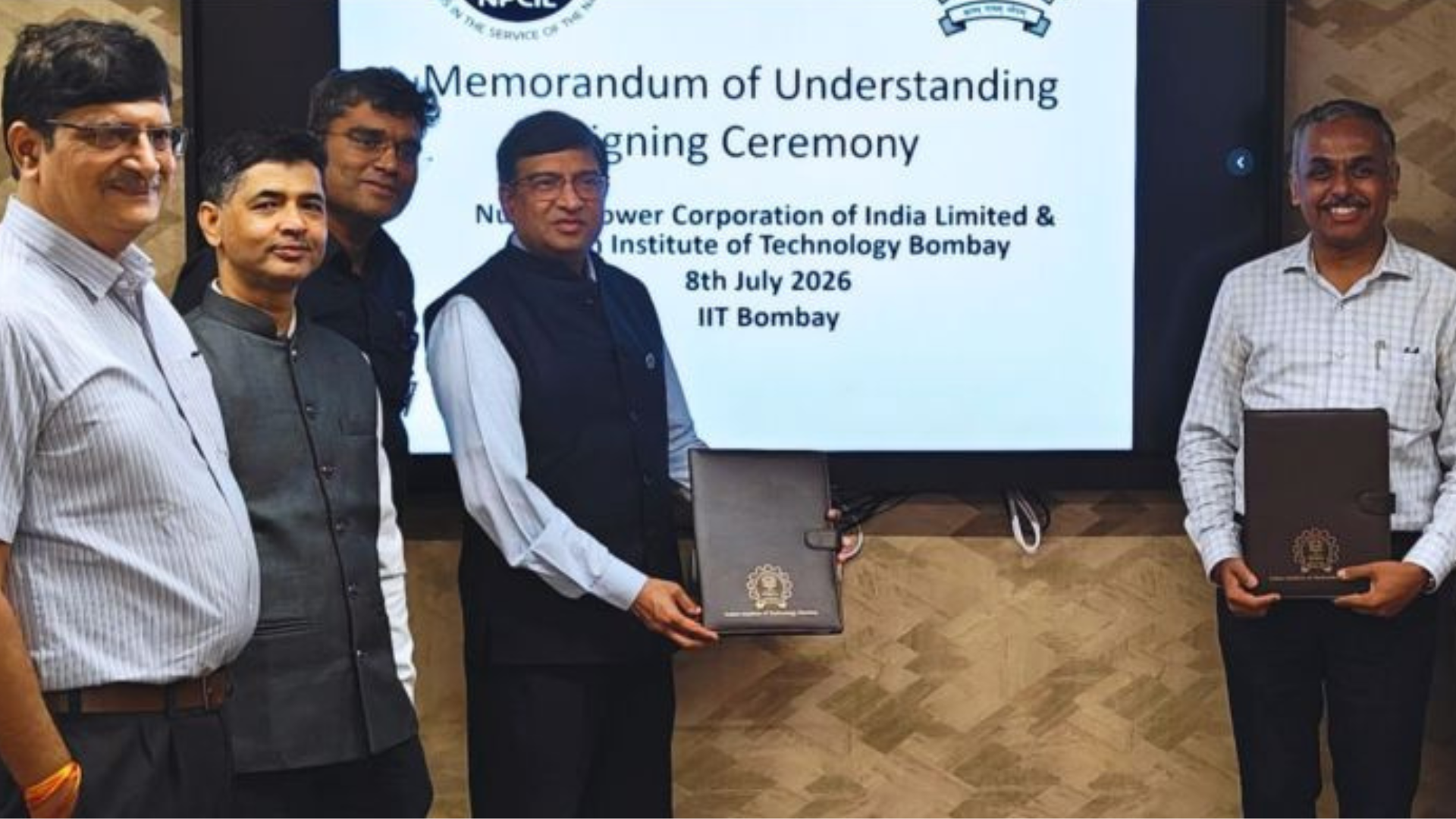
NPCIL, IIT Bombay partner on ground improvement for GHAVP Units 3 & 4
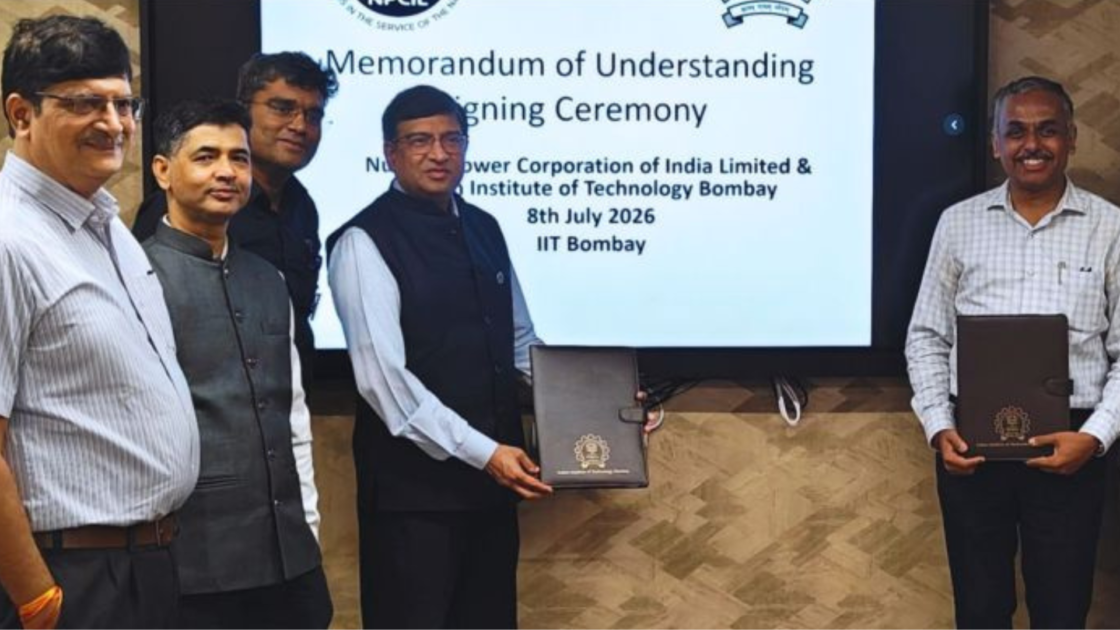
Nuclear Power Corporation of India Limited (NPCIL) has signed a Memorandum of Understanding (MoU) with the Indian Institute of Technology Bombay (IIT Bombay) to provide technical support for evaluating the feasibility and effectiveness of the Deep Soil Mixing (DSM) technique for Units 3 and 4 of the Gorakhpur Haryana Anu Vidyut Pariyojana (GHAVP).
The collaboration aims to assess the use of DSM for the upcoming 700 MWe Pressurised Heavy Water Reactor (PHWR) units and marks the first proposed application of the technique at an Indian nuclear power plant.
Ground improvement
Deep Soil Mixing is a ground improvement technique used to strengthen weak soil by mixing it with cementitious binders. According to NPCIL, the technology is expected to be particularly suitable for sites with alluvial soil conditions.
The company said the technique could reduce the need for extensive excavation, piling and dewatering during construction, potentially shortening pre-project timelines while maintaining nuclear safety and engineering standards.
Project details
GHAVP is located in Fatehabad district of Haryana and is planned to have four 700 MWe PHWR units.
The MoU specifically covers technical support for Units 3 and 4, which form part of the project’s second phase of development.
Environmental clearance for GHAVP was granted by the Ministry of Environment and Forest in 2013 following a public hearing conducted by the Haryana State Pollution Control Board (HSPCB) and appraisal of the Environmental Impact Assessment (EIA) report under the EIA Notification, 2006.
Long-term objective
NPCIL said the collaboration combines its project execution experience with IIT Bombay’s technical expertise to evaluate an indigenous engineering solution for future nuclear projects.
The initiative also aligns with India’s long-term objective of achieving 100 GWe of nuclear power capacity by 2047 while supporting the country’s net zero emissions target by 2070.
Photo credit: NPCIL