
RERC regulator revises RE tariff rules on storage, banking and payment discipline
The Rajasthan Electricity Regulatory Commission (RERC) has notified the Third Amendment to its Renewable Energy Tariff Regulations, 2026, extending the state’s renewable energy tariff control period by two years up to March 31, 2028. The amendment also revises provisions relating to energy storage systems (ESS), green open access, banking, payment security and renewable energy project performance norms. The regulations will take effect from April 1, 2026.
Tariff continuity
RERC said the extension is meant to maintain regulatory continuity for renewable energy projects in Rajasthan.
The Commission noted that some stakeholders had sought a full review of tariff assumptions in view of changes in technology and market conditions since 2020. However, it said the present exercise was limited to preventing a regulatory vacuum. A complete reassessment of techno-economic parameters, it said, would require a fresh set of regulations.
Changes for storage-backed projects
Among the main revisions, RERC has provided that the minimum rated energy capacity of an ESS will be determined on the basis of project requirements and with the agreement of the procuring entity. The change is intended to give developers greater flexibility in designing storage-backed renewable energy projects.
The Commission has also retained the 85% minimum efficiency norm for solid-state battery-based storage systems at commissioning, in line with the Central Electricity Regulatory Commission’s (CERC) renewable energy tariff regulations.
Green open access and banking
To simplify procurement, RERC has aligned several provisions with the RERC Green Energy Open Access Regulations, 2025.
Under the amended framework, relief related to transmission charges, wheeling charges, cross-subsidy surcharge and additional surcharge will now be governed by the Green Energy Open Access regulations. Banking provisions for renewable energy projects will also move under that framework, replacing the earlier standalone provisions in the tariff regulations.
RERC has also changed the method for calculating Capacity Utilisation Factor (CUF) and Plant Load Factor (PLF). Instead of the draft proposal of using a fixed denominator of 8,766 hours, annual CUF and PLF will now be calculated as 24 multiplied by the number of days in the relevant financial year. The Commission said the fixed-hour method could distort PLF values in leap and non-leap years.
Payment discipline and biomass
On payment discipline, RERC has aligned its renewable energy regulations with the Ministry of Power’s Electricity (Late Payment Surcharge and Related Matters) Rules, 2022. This allows renewable energy generators to levy late payment surcharge on bills delayed beyond 45 days. The Commission said the move is intended to improve liquidity, strengthen payment discipline and maintain consistency with the national framework.
RERC, however, rejected a proposal to cut the normative gross calorific value (GCV) for biomass fuel from 3,400 kcal/kg to 3,100 kcal/kg.
The Commission said biomass plants in Rajasthan primarily use mustard husk and agricultural residues, which generally have higher calorific values, making the existing benchmark more suitable for local conditions. It also observed that lowering the GCV would raise biomass tariffs and increase costs for distribution companies and consumers.
RERC further clarified that suggestions concerning removal of the date of installation of solar plants, extension of useful life and recognition of COVID-19 as a force majeure event were outside the scope of the present amendment and were therefore not taken up.
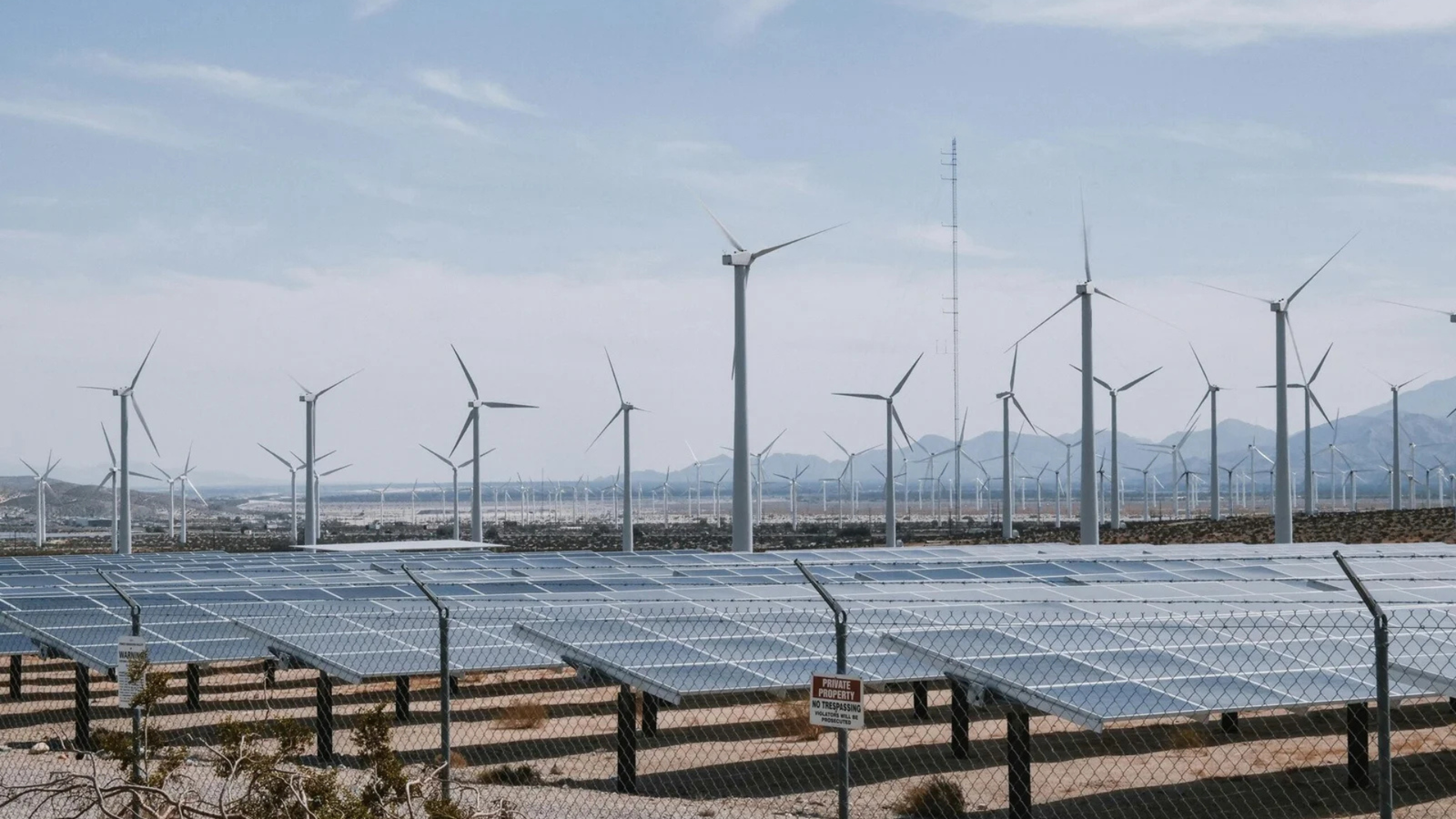
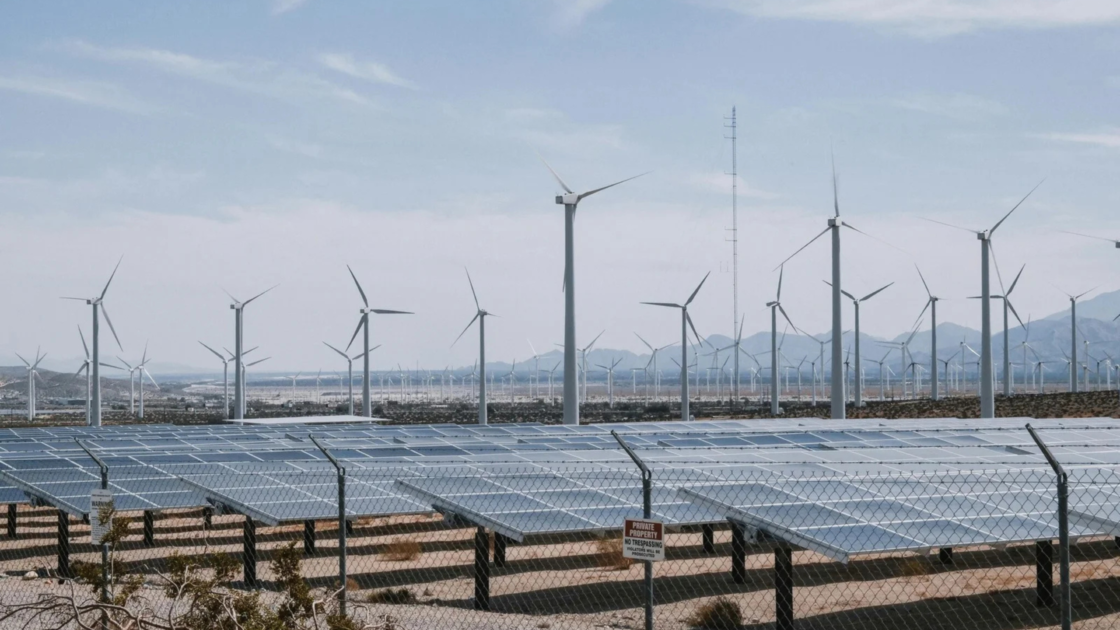
The featured photograph is for representation only.