India curtailed 2.1 TWh of renewable energy in FY26: Ember
India curtailed 2.1 TWh of renewable electricity during FY 2025-26 as coal-fired power plants reached their minimum technical operating levels during periods of high solar generation, according to a new analysis by Ember. The curtailed energy represents an estimated Rs 629 crore in foregone revenue and highlights growing challenges in integrating rising volumes of renewable energy into the power system.
Curtailment linked to coal flexibility limits
The report found that increasing solar generation during daytime hours is forcing coal-fired power plants to reduce output significantly. However, once these plants reach their minimum technical load, further increases in solar generation cannot be accommodated, resulting in renewable energy curtailment.
According to Ember, solar and wind accounted for 41% of India’s midday electricity generation in March 2026, compared to 35% a year earlier. During the same period, coal’s share fell from nearly 90% during nighttime hours to just over 50% at midday, creating a 49 GW variation in coal generation within six hours.
On March 21, 2026, more than 7 GW of renewable generation was curtailed at 1:30 PM despite the absence of transmission congestion, with the curtailment attributed to coal plants operating at their minimum technical levels.
Growing renewable additions increasing pressure
India added around 46 GW of solar capacity over the past year, further increasing midday renewable generation.
The analysis identified October and November 2025 as the most constrained months, with curtailment exceeding 6% of solar and wind generation during afternoon hours. By April 2026, curtailment levels had returned to around 4%, indicating that the issue remains persistent even outside the most constrained seasonal periods.
Ember warned that curtailment levels could increase further during October-November 2026 if sufficient storage capacity is not deployed.
Battery storage identified as key solution
The report estimated that 10 GWh of battery energy storage capacity would have been sufficient to absorb most of the curtailed renewable generation during the most constrained months. Batteries could store surplus solar generation during the day and discharge electricity during evening peak demand periods.
Ember pointed to the commissioning of the 3.37 GWh Khavda Battery Energy Storage System (BESS) project in Gujarat in May 2026 as evidence that large-scale storage projects can be deployed rapidly.
Connectivity rules under scrutiny
The report also highlighted regulatory challenges facing battery storage projects. Under existing connectivity regulations, battery energy storage projects seeking grid connectivity are generally required to install corresponding renewable generation capacity for charging purposes.
According to Ember, this requirement limits the ability of battery systems to operate as flexible grid assets capable of absorbing surplus electricity from the broader power system. The report argued that batteries charging during periods of excess solar generation support grid stability and should not be subject to the same restrictions as other forms of grid drawal.
Recommendations
Ember recommended allowing battery systems to charge from the grid during surplus solar generation periods as a standard operating practice rather than a temporary concession. It also suggested that restrictions on grid drawal should be applied only where genuine network constraints exist.
The report further called for recognition of grid charging as a normal operating mode for energy storage systems, arguing that greater flexibility will be necessary to support the next phase of renewable energy expansion.
Neshwin Rodrigues, author of the report, stated that solar and wind curtailment is becoming an increasingly visible aspect of India’s real-time grid balancing and warned that insufficient flexibility, including storage deployment, could constrain future renewable energy growth.
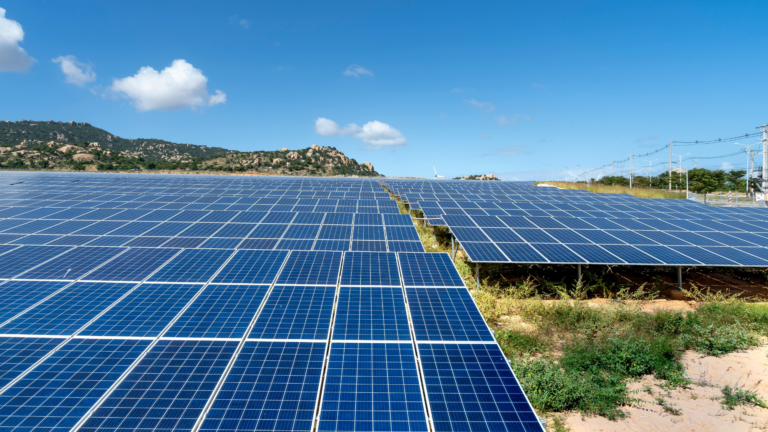
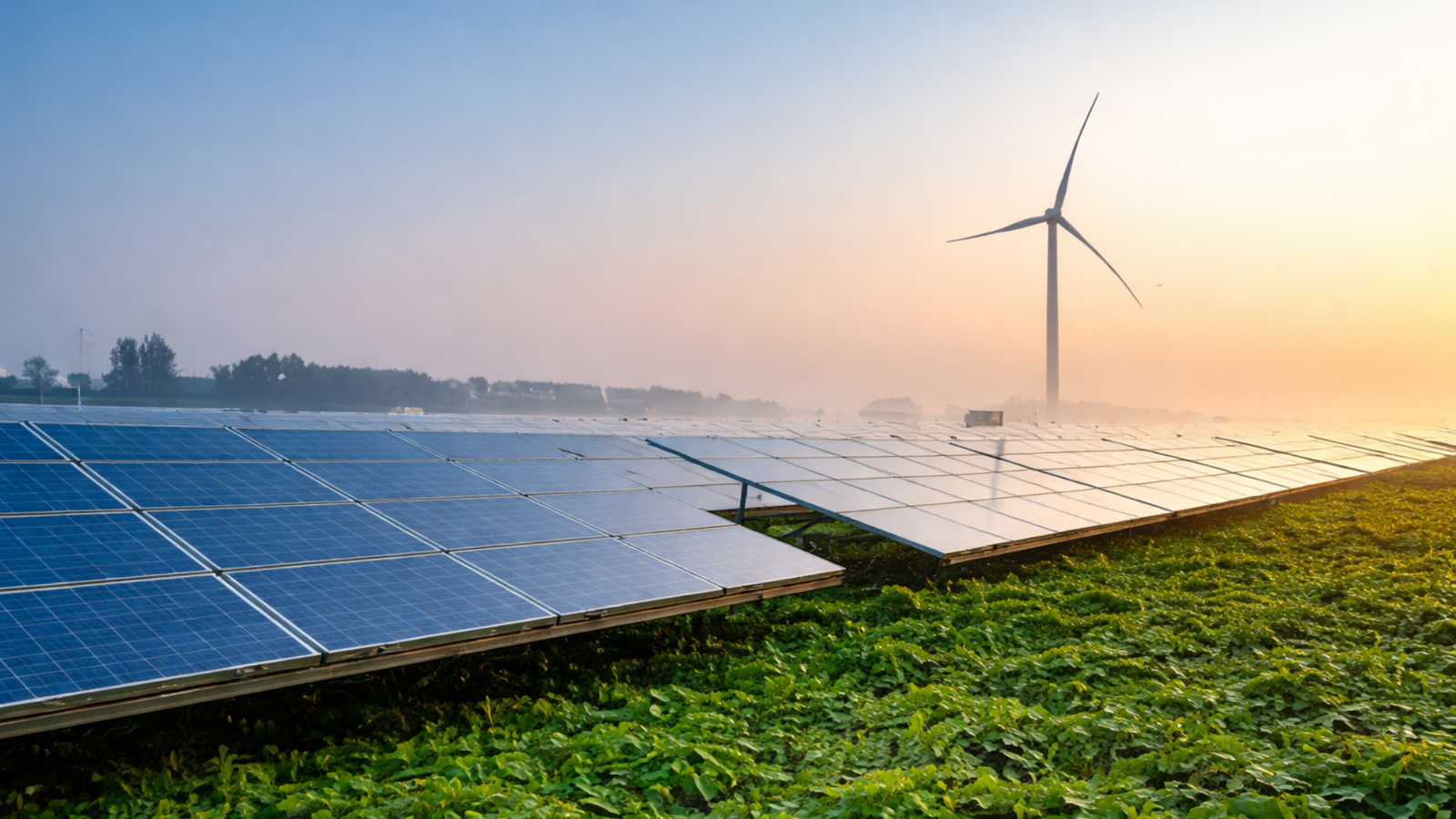
The featured photograph is for representation only.