Brazil tests ethanol engine for thermal power generation
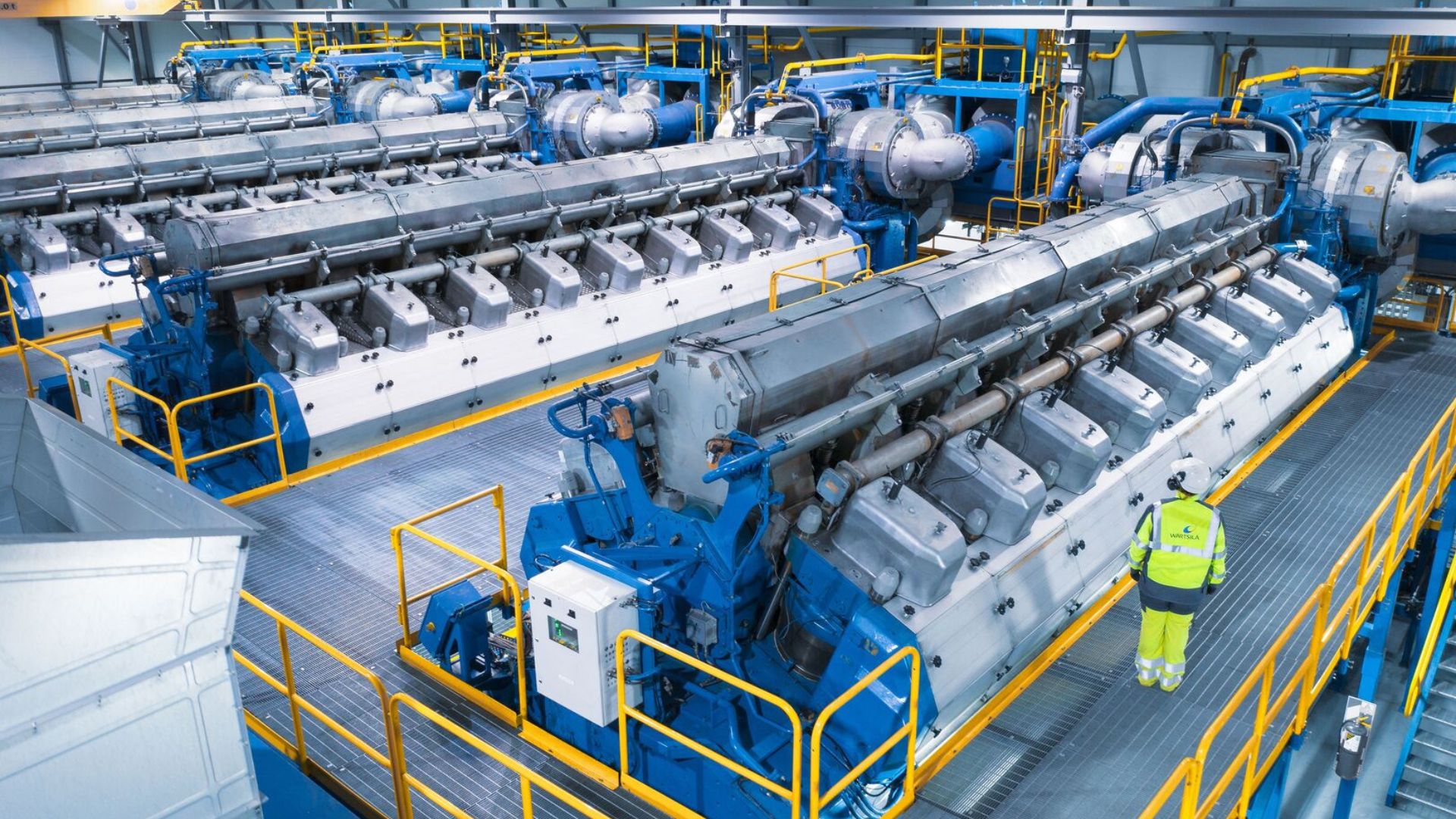
Brazil has launched a project described as the world’s first large-scale thermal power engine designed to run almost entirely on ethanol, expanding the potential use of the country’s biofuel industry beyond transportation.
The project has been implemented at the Suape II power plant in Pernambuco by Suape Energia and Finnish technology company Wärtsilä. The companies have completed the implementation phase and are preparing for operational testing under real-world conditions.
Ethanol-based generation
The project uses a modified Wärtsilä 32M engine operating on ethanol derived mainly from Brazilian sugarcane. The demonstration programme will involve thousands of hours of testing to assess performance, reliability, emissions, and economic viability.
Brazil is the world’s largest producer and consumer of sugarcane ethanol, with established production, storage, and transport infrastructure. However, ethanol use has largely remained limited to the transportation sector.
Project developers said the initiative aims to demonstrate whether ethanol can provide dispatchable electricity generation to complement variable renewable energy sources such as solar and wind.
Commercial viability
The next phase of the project will focus on validating operational performance and determining whether ethanol-fired electricity generation can become commercially viable at utility scale.
Industry participants also see the project as a potential new demand source for Brazil’s sugarcane sector while supporting domestic energy security.
Source: Interesting Engineering
Photo credit: Wärtsilä Corporation