Delhi releases draft EV policy 2026 with phased mandates, incentives
The Government of the National Capital Territory of Delhi has released the draft Delhi Electric Vehicle Policy 2026. The policy, proposed to remain in force until March 31, 2030, aims to accelerate electric vehicle (EV) adoption across segments, expand charging infrastructure, and improve air quality through a mix of mandates and financial incentives.
The draft provides purchase incentives for electric two-wheelers, three-wheelers, and N1 category goods vehicles, with benefits tapering over three years. Electric two-wheelers priced up to Rs 2.25 lakh will receive Rs 10,000 per kWh (capped at Rs 30,000) in the first year, declining to Rs 3,300 per kWh (capped at Rs 10,000) by the third year. Electric auto-rickshaws will be eligible for Rs 50,000 in the first year, while N1 electric trucks will receive Rs 1,00,000, with both incentives reducing annually.
Scrapping incentives have also been proposed to support fleet transition. These include Rs 10,000 for BS-IV or older two-wheelers, Rs 25,000 for three-wheelers, Rs 1,00,000 for non-transport cars priced up to Rs 30 lakh, and Rs 50,000 for N1 trucks. Eligibility is linked to the purchase of a new EV within six months of obtaining a Certificate of Deposit from an authorised scrapping facility. All incentives will be disbursed through direct benefit transfer.
The policy introduces phased regulatory mandates. From January 1, 2027, only electric three-wheelers (L5) will be eligible for new registrations, followed by electric two-wheelers from April 1, 2028. Fleet aggregators will not be allowed to add new diesel or petrol vehicles from January 1, 2026. Government fleets, including hired vehicles and new intra-state buses, will be required to transition to electric, unless exempted. School buses will also be subject to phased electrification targets.
On infrastructure, Delhi Transco Limited has been designated as the nodal agency for planning and rollout of public charging and battery swapping networks, supported by a single-window clearance system. Original equipment manufacturers will be required to install charging facilities at dealerships. Battery recycling will be enforced under the Battery Waste Management Rules, 2022, with facilitation by the Delhi Pollution Control Committee. A dedicated EV Fund will support implementation.
Complementing the draft policy, recent budget proposals include the induction of 6,130 electric buses under the PM E-DRIVE scheme. The city targets a total fleet of 7,500 buses, including 5,800 electric, by March 2027, and 12,000 electric buses by 2029. For 2026–27, allocations include Rs 320 crore for depot electrification and charging infrastructure and Rs 200 crore for EV policy implementation. These measures are part of a broader plan that also covers solar expansion, underground cabling, waste-to-energy capacity, and a Carbon Credit Monetisation Scheme.
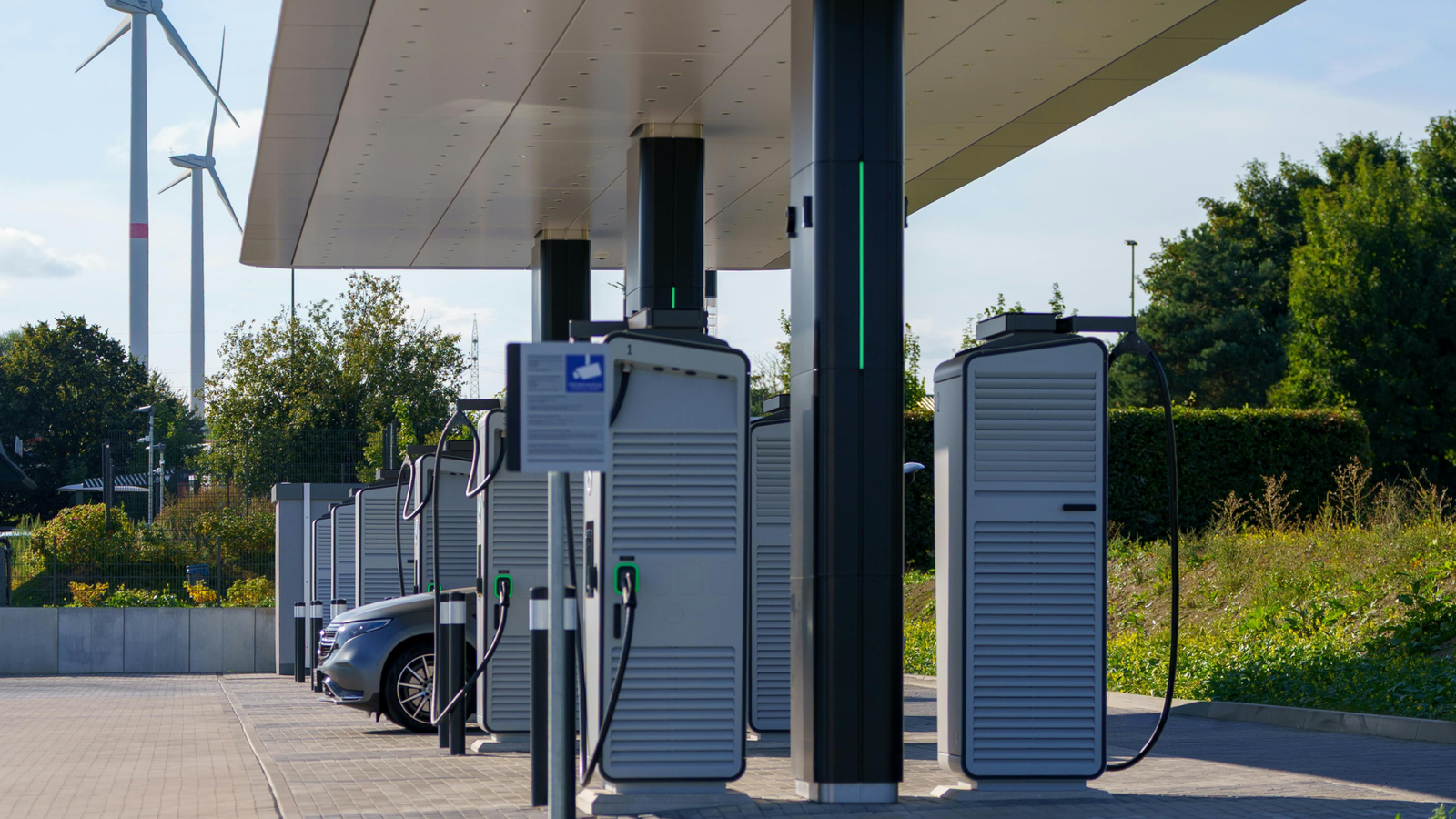
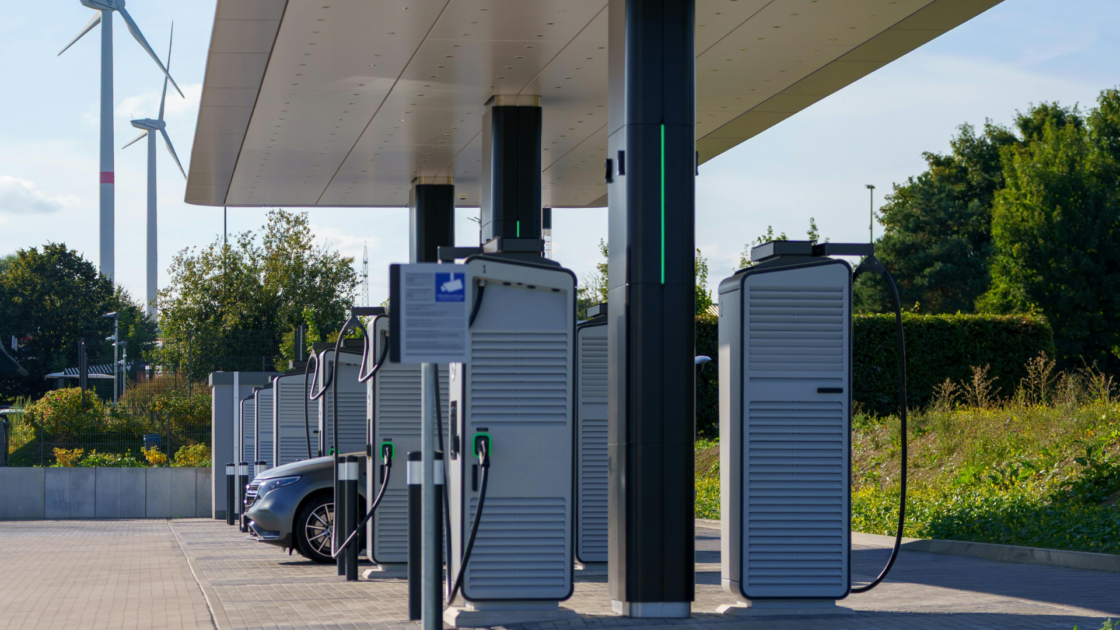
The featured photograph is for representation only.