CERC clears over 13,000 MW in March adoption orders
The Central Electricity Regulatory Commission issued a batch of tariff adoption orders through March 2026, clearing over 13,000 MW of generation capacity across solar, wind-solar hybrid, and firm dispatchable renewable energy projects. The orders, passed under Section 63 of the Electricity Act, 2003, cover tenders floated by NTPC, SECI, SJVN, and NHPC. While most adoptions were routine, several raised compliance and procedural questions that the Commission addressed directly.
Tariffs at a glance
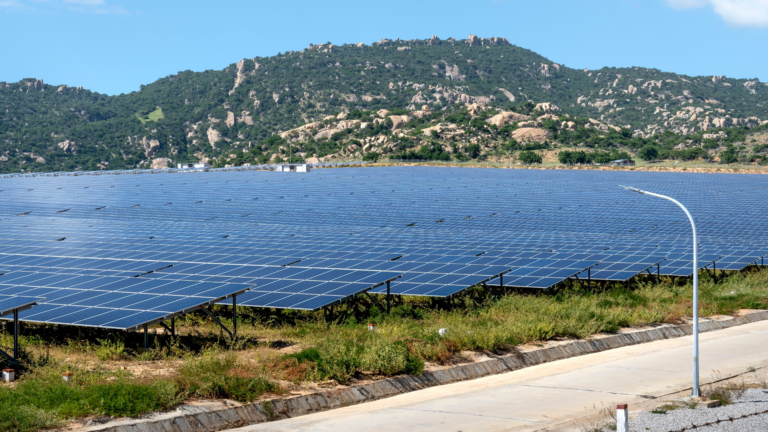
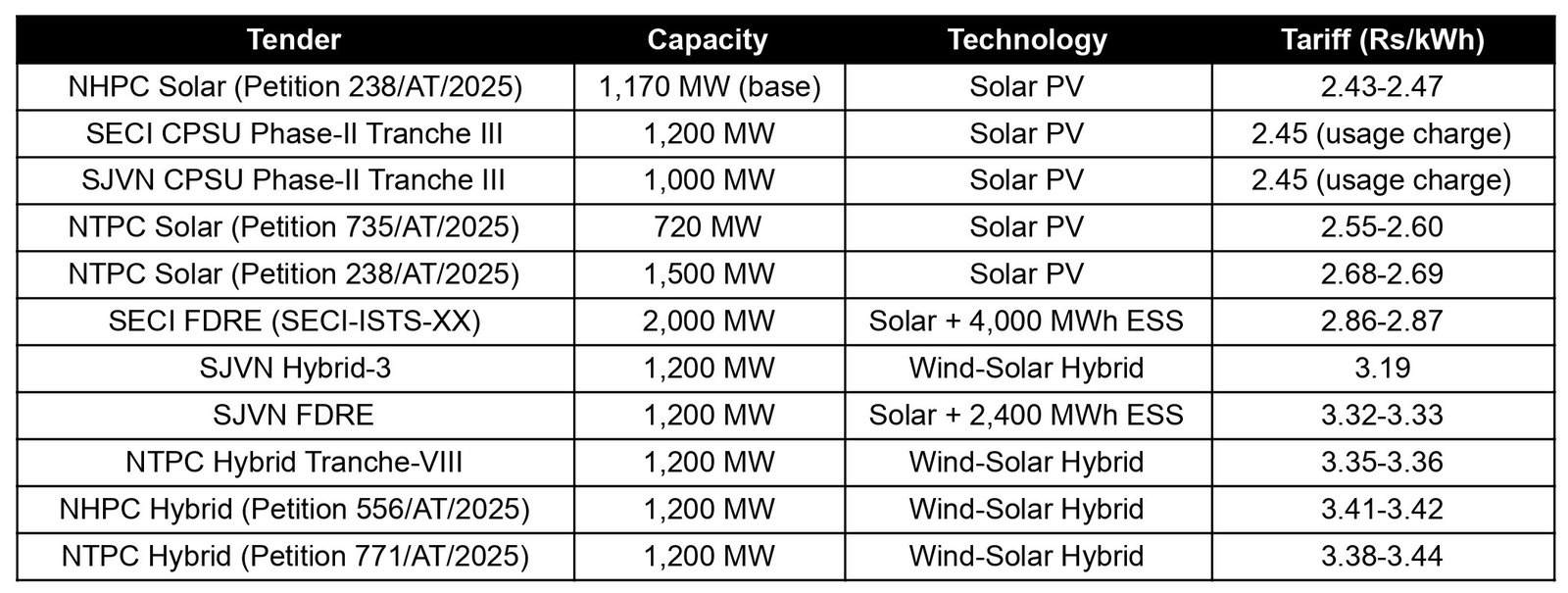
Solar PV tariffs in the batch ranged from Rs2.43/kWh to Rs2.69/kWh. The lowest – Rs2.43/kWh – was discovered in NHPC’s 1,200 MW ISTS-connected solar tender; CERC noted this was below rates in comparable recent tenders, which had ranged between Rs2.52 and Rs3.05/kWh.
NTPC’s 1,500 MW solar tender yielded tariffs of Rs2.68-2.69/kWh, which the Commission flagged as appearing to be on the “higher side” compared to concurrent tenders. NTPC submitted a conformity certificate from its Bid Evaluation Committee, which the Commission accepted. NTPC’s separate 1,200 MW solar tender produced lower rates of Rs2.55-2.60/kWh, with BPCL securing the lowest bid at Rs2.55/kWh for 150 MW.
SECI’s 1,200 MW CPSU Scheme (Phase-II, Tranche III) project and SJVN’s corresponding 1,000 MW project were both adopted at Rs2.45/kWh – the ceiling usage charge set at the time of bidding.
Wind-solar hybrid tariffs ranged from Rs3.19/kWh (SJVN’s Hybrid-3, 1,200 MW) to Rs3.44/kWh in NTPC’s hybrid tender. NHPC’s 1,200 MW hybrid tender came in at Rs3.41-3.42/kWh, while NTPC’s Tranche-VIII hybrid tender yielded Rs3.35-3.36/kWh – lower than the Rs3.43-3.46/kWh range in comparable recent hybrid orders.
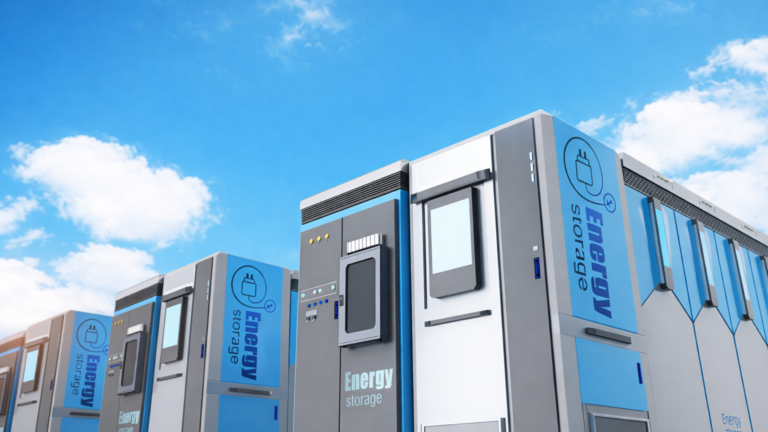
Firm and Dispatchable Renewable Energy (FDRE) projects, which pair solar with energy storage, carried higher tariffs. SECI’s 2,000 MW FDRE tender (with 1,000 MW / 4,000 MWh storage) was adopted at Rs2.86-2.87/kWh. SJVN’s 1,200 MW FDRE project (600 MW / 2,400 MWh storage) came in at Rs3.32-3.33/kWh; the Commission contextualised this against SECI’s 4-hour storage tender (Rs3.52-3.53/kWh) and NHPC’s 2-hour storage tender (Rs3.09-3.10/kWh), attributing the difference to storage duration and market timing.
Greenshoe mechanism under scrutiny
The most significant regulatory development across the batch concerns the “Greenshoe Option” – a mechanism by which implementing agencies award additional capacity beyond the original tender size to successful bidders at the discovered L1 rate.
NHPC invoked the option in two separate tenders. In the solar tender, it sought to allocate an additional 1,000 MW after the base award of 1,170 MW. In the hybrid tender, it allocated a cumulative 600 MW of Greenshoe capacity to one bidder, Avaada Energy – nearly three times Avaada’s base allocation of 210 MW.
CERC, in both orders, held that the Greenshoe mechanism is not expressly recognised in the Ministry of Power’s bidding guidelines under Section 63. The Commission trimmed allocations in both cases and directed all Renewable Energy Implementing Agencies – including NHPC, NTPC, SECI, and SJVN – to seek formal clarification from the Ministry of Power on the mechanism’s permissibility, including whether additional allocations should be capped at 50% of original capacity.
CPSU GST dispute deferred to change-in-law
Two orders addressed a recurring dispute in CPSU Scheme Phase-II (Tranche III) projects. SECI and SJVN each sought adoption at Rs2.57/kWh, citing a September 2021 GST revision (5% to 12%) as a change in law. Both had already executed Power Usage Agreements with state utilities at the higher rate, with MNRE’s endorsement.
CERC declined in both cases, holding that post-bid changes to discovered parameters vitiate the competitive process. The Commission adopted the original ceiling charge of Rs2.45/kWh, but permitted provisional billing at Rs2.57/kWh pending a separate change-in-law petition that each petitioner was directed to file.
Trading margin conditions and filing delays
Across all orders, implementing agencies sought a trading margin of Rs0.07/kWh. CERC held in each case that the margin may be mutually agreed with buying DISCOMs under Regulation 8(1)(d) of the Trading Licence Regulations – but may not exceed Rs0.02/kWh if the agency fails to provide escrow or an irrevocable, revolving letter of credit to generators.
NTPC was found to have filed petitions beyond the 15-day window mandated under its bidding guidelines in at least two tenders. The Commission condoned the delays in both instances but directed stricter compliance going forward.
The featured photograph is for representation only.