NCT clears Rs 839.55 crore transmission scheme for Sunni and Luhri HEPs
The National Committee on Transmission (NCT) has recommended implementation of the transmission system for evacuation of power from Sunni Dam Hydroelectric Project (HEP) (382 MW) and Luhri Stage-I HEP (210 MW) through the tariff-based competitive bidding (TBCB) route. REC Power Development and Consultancy Limited (RECPDCL) has been designated as bid process coordinator (BPC). The scheme is estimated at Rs 839.55 crore, with an implementation timeline aligned to October 15, 2029, matching the synchronisation of the first unit of the Sunni Dam HEP.
Route change and project history
The scheme has evolved through multiple NCT discussions since March 2022. The pooling point was earlier shifted from Ogli (Nange) to Brahampukhar, and bidding was deferred due to uncertainty in generation timelines.
In January 2026, Satluj Jal Vidyut Nigam (SJVN) proposed reverting to Ogli, supported by revised scheduled commercial operation dates (SCODs): October 15, 2029 (first unit) and December 15, 2029 (full commissioning) for the Sunni Dam HEP, and November 1 to December 31, 2029 for Luhri Stage-I HEP.
A joint meeting held on February 5, 2026 involving Central Electricity Authority (CEA), Central Transmission Utility (CTU), GRID-India, RECPDCL, Punjab State Transmission Corporation Limited (PSTCL), SJVN, and National Thermal Power Corporation (NTPC) agreed to shift the pooling location back to Ogli, with additional interconnecting transformer (ICT) augmentation at Nange.
Scope and configuration
The approved scope includes development of a 400/220 kV Nange pooling station (gas insulated substation (GIS)) with three 315 MVA 400/220 kV ICTs, implemented using ten 105 MVA single-phase units including one spare, along with a 125 MVAR 420 kV bus reactor. Provision has been made for future ICTs and line bays.
The scheme also includes a 50 km Nange (GIS)–Koldam 400 kV double circuit (D/C) line using Triple Snowbird conductor. One circuit will terminate at Koldam, while the second will be connected to the bypassed circuit of the Koldam–Ropar/Ludhiana 400 kV D/C line. In addition, a 50 MVAR switchable line reactor will be installed at the Ropar end.
Cost and execution factors
SJVN’s proposal to revert to Ogli was based on reduced line length from 94 km to 44 km, use of lighter Twin Moose conductor over part of the route, lower right-of-way (RoW) and forest clearance requirements, elimination of a second pot head yard, and lower construction complexity in mountainous terrain.
As a condition of approval, SJVN is required to complete road widening, bridge strengthening, and related logistics works at least one year before the transmission SCOD.
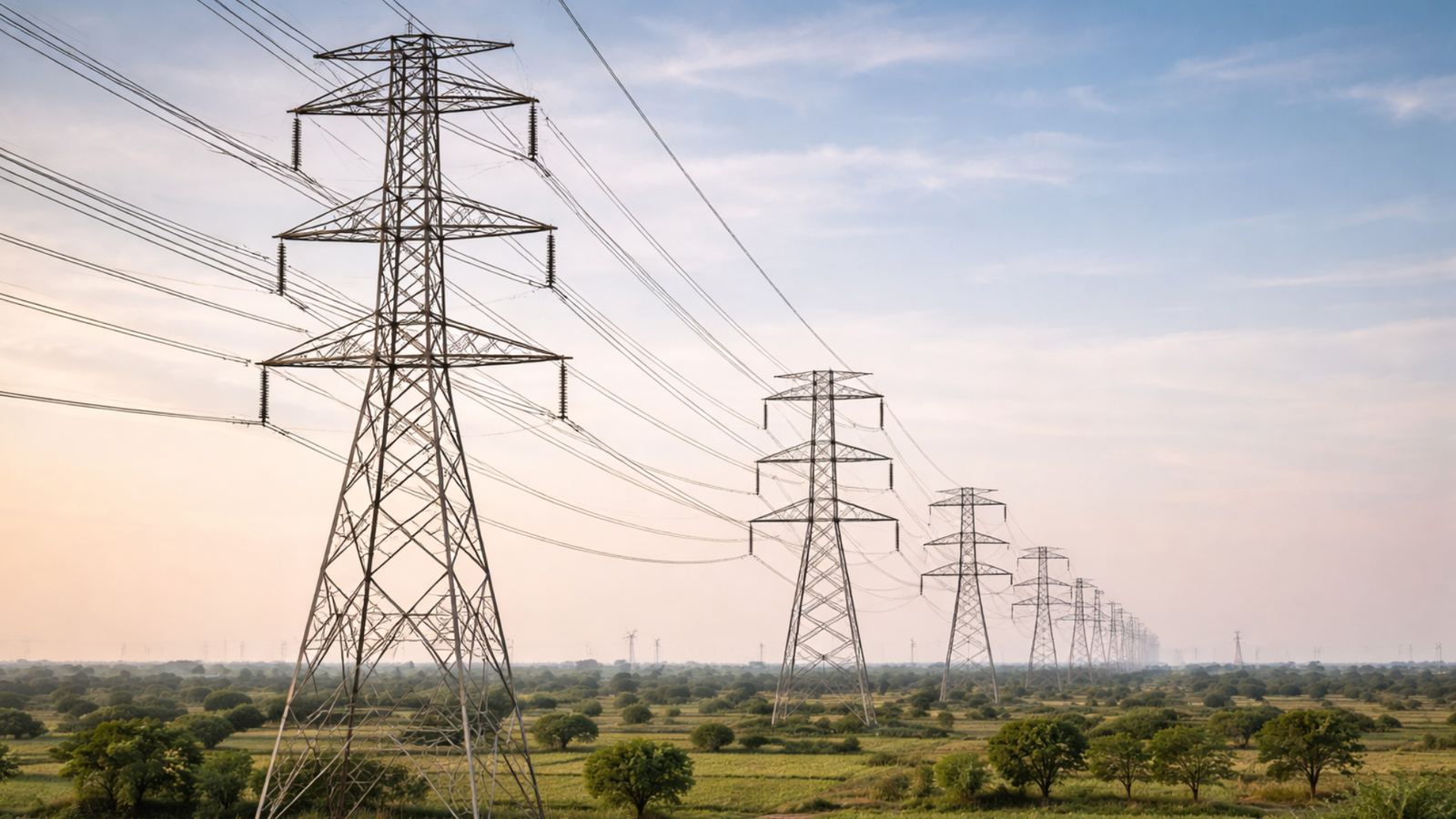
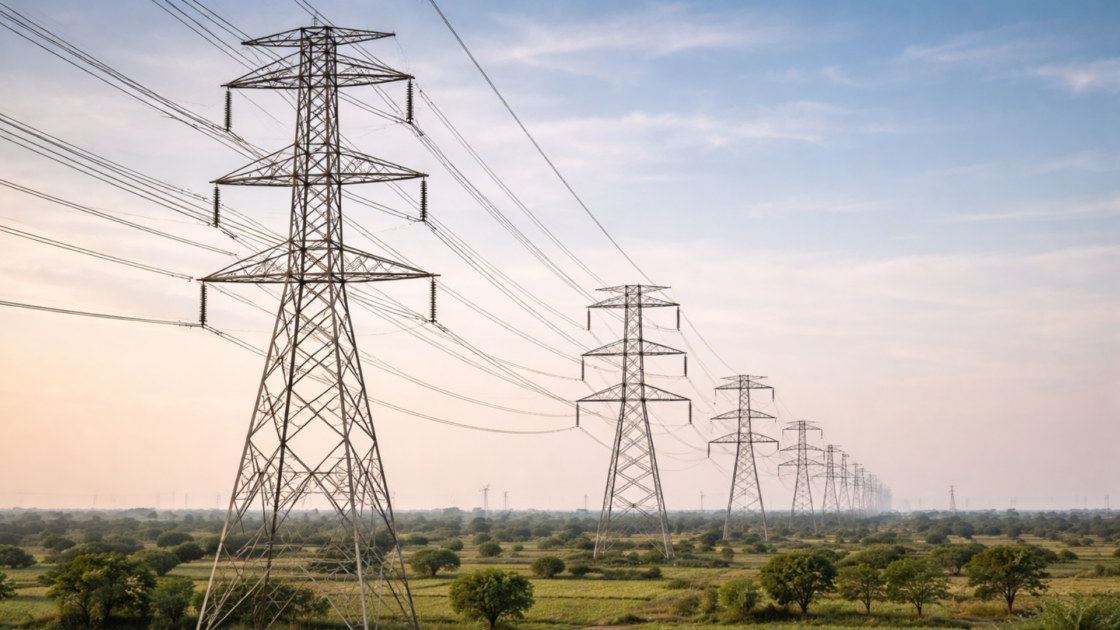
The featured photograph is for representation only.