Kerala proposes new multi-year tariff framework for 2027-32
The Kerala State Electricity Regulatory Commission (KSERC) has issued draft Kerala State Electricity Regulatory Commission (Multi Year Tariff) Regulations, 2026, proposing a new tariff framework for generation, transmission, distribution, energy storage systems and the State Load Despatch Centre (SLDC) for the five-year control period beginning April 1, 2027.
The draft regulations will replace the existing KSERC (Terms and Conditions for Determination of Tariff) Regulations, 2021. They have been issued under the Electricity (Procedure for Previous Publication) Rules, 2005. Stakeholders must register to participate in the consultation process by September 18, 2026, and submit objections or suggestions by September 25, 2026.
The proposed framework incorporates changes arising from recent statutory, regulatory and judicial developments, including the Electricity (Amendment) Rules, 2022 and 2024, the Electricity Distribution (Accounts and Additional Disclosure) Rules, 2025, Central Electricity Authority (CEA) technical standards for Battery Energy Storage Systems (BESS), Central Electricity Regulatory Commission (CERC) tariff regulations for integrated energy storage systems and KSERC’s Framework for Resource Adequacy Regulations, 2026.
Power purchase surcharge
The draft replaces the existing fuel surcharge formula with an automatic monthly pass-through mechanism for changes in fuel and power purchase costs, in line with the Electricity (Amendment) Rules, 2022.
The Fuel and Power Purchase Cost Adjustment Surcharge (FPPAS) will be calculated monthly and recovered from consumers, subject to annual true-up and safeguards intended to avoid tariff shocks. Domestic consumers with connected load of up to 1,000 Watts and monthly consumption of up to 40 units will be exempt from the surcharge.
Regulatory asset
KSERC has proposed liquidation of the regulatory asset existing as of March 31, 2024, including carrying cost, in accordance with the Electricity (Amendment) Rules, 2024 and orders of the Supreme Court dated October 28, 2025, and the Appellate Tribunal for Electricity (APTEL) in OP No. 1/2025.
The regulatory asset would be recovered in four equal instalments from FY 2027-28 to FY 2030-31 through a Regulatory Asset Surcharge.
Energy storage
The draft introduces a tariff framework covering BESS, Pumped Storage Projects (PSP) and other energy storage technologies.
All upcoming BESS projects would be required to use grid-forming inverters. The proposed normative round-trip efficiency is 85% for BESS and 75% for PSP.
The draft provides a useful life of 15 years for BESS battery packs and 12 years for the battery module. A capacity charge mechanism would be linked to monthly availability, while storage projects achieving cycle efficiency above the normative level would receive an incentive of 20 paise per kWh.
Performance incentives
KSERC has proposed performance-linked incentives across regulated businesses.
For distribution, incentives of up to 1% of the Aggregate Revenue Requirement (ARR) would be linked to the System Average Interruption Duration Index (SAIDI) and System Average Interruption Frequency Index (SAIFI).
For transmission, incentives of up to 0.5% of Annual Revenue Requirement would be linked to availability above 99%. Generation and SLDC incentives would also be introduced based on Key Performance Indicators to be finalised by the Commission.
Consumer measures
The draft proposes demand-based fixed charges for domestic consumers based on Recorded Maximum Demand. It also provides for extending Time of Day (ToD) and Time of Use (ToU) tariffs to various consumer categories.
Other proposed measures include kVAh-based billing with power factor incentives and disincentives, a green tariff option allowing consumers to opt for 100% renewable energy at a premium, and a framework for Demand Response Programmes.
O&M norms
KSERC has proposed a revised methodology for determining Operation and Maintenance (O&M) expenses, aligned with the CEA’s Guidelines for Benchmarking of O&M Norms for Distribution Utilities.
For KSEB Limited’s distribution business, employee and administrative expenses would be linked to three drivers: number of consumers, energy handled and MVA capacity of distribution transformers. The proposed weightage between Consumer Price Index (CPI) and Wholesale Price Index (WPI) inflation is 70:30, moderated by an efficiency factor. Repairs and Maintenance (R&M) expenses would be calculated at 4% of opening gross fixed assets.
For transmission, O&M norms would be based on the number of bays, MVA capacity of power transformers and circuit kilometres of transmission lines, with weightages of 40:30:30.
For new generating stations, O&M expenses would be allowed at 4% of original project cost in the first year, with escalation thereafter.
Tariff framework
The draft provides that retail supply tariffs will be uniform across Kerala for the same consumer category. KSERC will endeavour to progressively reduce cross-subsidy.
Wheeling charges will be determined separately for voltage levels below 11 kV and for 11 kV and above. The Bulk Supply Tariff for KSEB Limited’s supply to other distribution licensees will be determined based on the uniform retail supply tariff and the revenue surplus or gap of the respective licensees.
Financial norms
For new projects commissioned on or after April 1, 2027, the proposed debt-equity ratio is 70:30. Return on equity is proposed at 14% per annum.
Depreciation will follow the straight-line method, with rates specified separately for existing and new projects. The proposed salvage value is 10%, with zero salvage value for information technology equipment.
Transmission licensees would be eligible for full recovery of Annual Revenue Requirement at a target availability of 99%.
The draft also provides for a separate ARR for SLDC along with a Key Performance Indicator framework. Assets created through consumer contributions, capital subsidies or grants would not be eligible for depreciation or return on equity.
The cross-subsidy surcharge formula is specified in Annexure-2 and would be capped at 20% of the applicable tariff.
Control period
The proposed control period covers five financial years from FY 2027-28 through FY 2031-32. Regulated entities, including KSEB Limited’s generation, transmission and distribution businesses, other generating companies, transmission licensees, distribution licensees, ESS developers and SLDC, would be required to file petitions for approval of ARR and determination of tariff by November 30, 2026.
A Mid-term Performance Review is proposed for FY 2029-30.
Consultation
Stakeholders intending to participate in the consultation must register on KSERC’s website by September 18, 2026. Written objections and suggestions must be submitted by September 25, 2026. The Commission will communicate the time, mode and other details of the consultation process to registered stakeholders.
The explanatory memorandum states that the draft regulations have been prepared in response to significant statutory, regulatory and judicial developments since the 2021 regulations were notified. The proposed framework incorporates these changes while placing consumer interests at the centre of tariff determination.
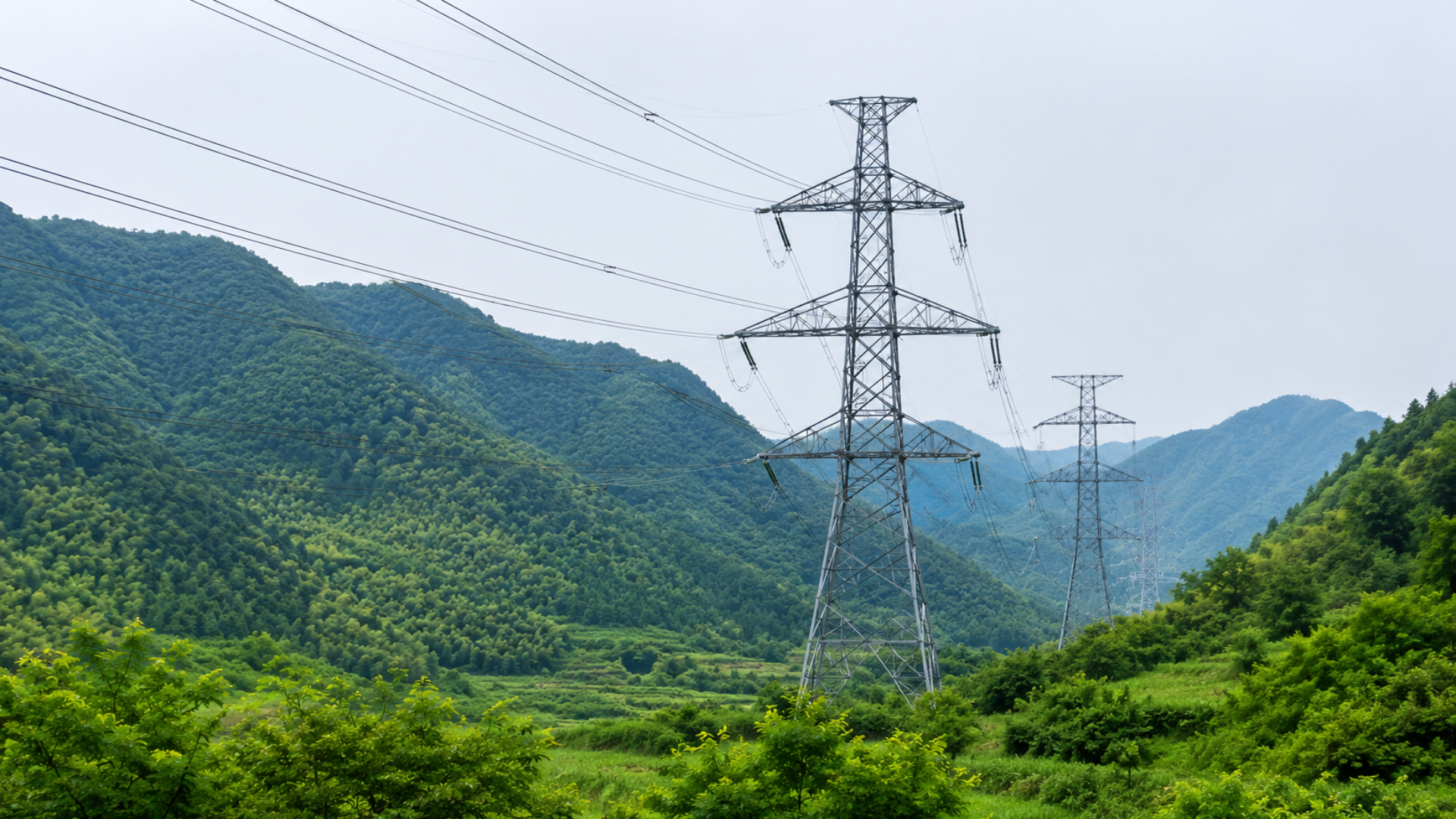
The featured photograph is for representation only.

