CERC proposes ISTS charge waiver changes for BESS, PSPs, RE projects
The Central Electricity Regulatory Commission (CERC) has released the draft Central Electricity Regulatory Commission (Sharing of Inter-State Transmission Charges and Losses) (Fifth Amendment) Regulations, 2026, proposing wide-ranging changes to the framework governing waiver of inter-state transmission system (ISTS) transmission charges for renewable energy projects, energy storage systems (ESS), and pumped storage projects (PSPs).
The draft amendment, published on July 31, 2026, proposes revisions intended to clarify the applicability and duration of transmission charge waivers for Battery Energy Storage Systems (BESS), PSPs and renewable energy projects affected by transmission infrastructure delays. CERC has invited comments, suggestions and objections from stakeholders until August 31, 2026.
BESS waivers
One of the key proposals is to extend the ISTS transmission charge waiver period for BESS installed as an integral part of a Renewable Energy Generating Station (REGS) or Renewable Hybrid Generating Station (RHGS). Instead of the existing 12-year waiver applicable to storage components, such BESS would become eligible for a 25-year waiver, matching the waiver period available to the associated renewable energy project.
The draft states that where a REGS with storage is scheduled as a single entity, the 25-year waiver will be counted from the commercial operation date (COD) of the REGS, including instances where electricity is injected into the grid through the storage component. The proposal seeks to address concerns arising from projects having 25-year Power Purchase Agreements (PPAs) while storage assets were eligible for a shorter waiver period.
The amendment also proposes a framework for BESS co-located with REGS that undergo multiple charging cycles. Under the proposal, a battery charging from a co-located REGS during one cycle would qualify under Category 1, receiving a 100% waiver. If the same BESS subsequently charges from non-co-located sources, that charging cycle would fall under Category 2, where graded waiver provisions would apply. The National Load Despatch Centre (NLDC) would be responsible for issuing detailed procedures for accounting of energy scheduled for charging in each cycle.
In another proposed change, ESS would be allowed to count electricity procured through collective transactions in the Green Day Ahead Market (G-DAM) towards fulfilling the requirement that at least 51% of annual charging energy be sourced from wind or solar power. To avail this provision, ESS entities would have to obtain a certificate from the power exchange specifying the quantum of wind and solar energy scheduled, based on the proportion of bids cleared.
PSP provisions
For hydro PSPs supplying power to multiple beneficiaries, CERC has proposed a contract-level approach for determining eligibility for ISTS transmission charge waivers where the project as a whole fails to satisfy the requirement that 51% of charging energy comes from renewable sources.
Under the proposal, individual contracts meeting the 51% threshold would remain eligible for the waiver, while contracts that do not satisfy the requirement would not receive the benefit. NLDC would issue detailed procedures for collection of data and accounting under this mechanism.
Delay relief
The draft amendment also incorporates provisions in line with the Ministry of Power’s Office Memorandum dated April 16, 2026, for renewable energy projects whose commissioning is delayed because the associated transmission system is not ready.
The proposed relief would apply to projects with a firm start date of connectivity between July 1, 2025, and June 30, 2028. To qualify, the projects must have entered into a contract with a minimum tenure of seven years on or before December 31, 2026, and achieve COD within two months of the General Network Access (GNA) becoming effective.
Eligible projects would receive ISTS transmission charge waiver based on their firm start date of connectivity, following the applicable graded waiver trajectory ranging from 100% to 25% for the duration of the contract. Projects that fail to achieve COD within the prescribed two-month period would instead receive the waiver applicable on the basis of their actual COD.
Transmission accounting
The draft introduces clarification on transmission deviation accounting for General Network Access for Renewable Energy (GNARE) and Temporary General Network Access for Renewable Energy (T-GNARE).
For states where an intra-state entity has obtained GNARE or T-GNARE, transmission deviation would be calculated as the net metered drawal exceeding the combined total of GNA, Temporary General Network Access (T-GNA), and scheduled drawal under GNARE or T-GNARE from identified sources.
The amendment also proposes provisions covering regional drawee entities permitted dual connectivity to both State Transmission Utility (STU) and Central Transmission Utility (CTU) networks under the GNA Regulations. It specifies the treatment of actual or scheduled drawal through STU feeders while calculating a state’s net drawal or net injection for transmission deviation purposes.
Other changes
In addition to the waiver-related provisions, the draft proposes aligning the definitions of GNARE and T-GNARE with the GNA Regulations, removing redundant provisions from the existing regulations, and authorising NLDC to issue revised implementation procedures within 60 days of notification.
The draft also introduces a new Regulation 29, which would empower CERC to issue suo moto orders and practice directions for implementation of the regulations.
The proposed amendments are intended to come into force from the date of their publication in the Official Gazette. Stakeholders and interested persons have been invited to submit comments, suggestions and objections on the draft regulations by August 31, 2026.
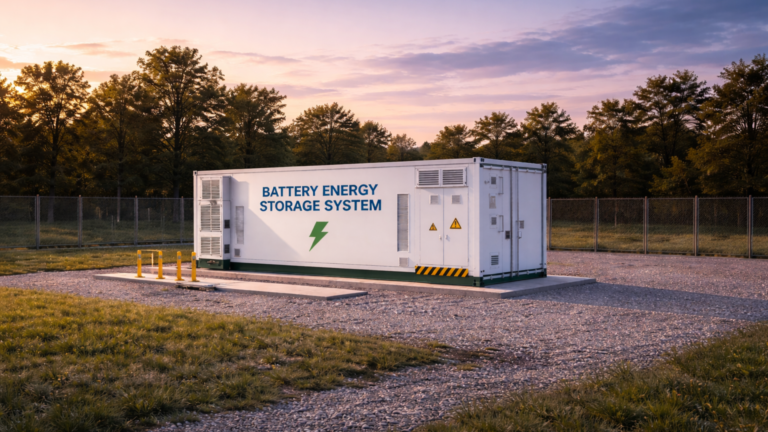
The featured photograph is for representation only.