
NCT’s new scheme to act as “shock absorber” for northern grid
The National Committee on Transmission (NCT) has approved a Rs 4,378 crore transmission scheme to strengthen voltage stability and short-circuit strength across the Northern Region through the deployment of Static Synchronous Compensators (STATCOMs) and bus reactors.
The scheme, identified as “Static/Dynamic compensation requirement in the Northern Region Grid,” follows concerns raised by Grid Controller of India Limited (GRID-INDIA) over declining Short Circuit Ratios (SCR) at major renewable energy pooling stations as increasing volumes of solar and wind capacity connect to the transmission system.
Grid concerns
GRID-INDIA highlighted low SCR levels at renewable energy pooling stations in Rajasthan and Gujarat, including Bikaner-II, Bhadla-III, Khavda and Lakadia-II. Lower SCR indicates weaker grid conditions, which can increase the system’s vulnerability to voltage instability and disturbances as inverter-based renewable generation expands.
The issue is becoming more important as large renewable energy zones are integrated with the Inter-State Transmission System (ISTS). Unlike conventional synchronous generation, solar and wind projects connected through power electronic inverters do not inherently provide the same level of system inertia and voltage support.
The proposed compensation infrastructure is intended to improve voltage control and strengthen the grid’s ability to manage changing generation and load conditions.
STATCOM deployment
The scheme provides for deployment of STATCOMs at several substations in the Northern Region. These devices can rapidly inject or absorb reactive power depending on grid conditions, providing dynamic voltage support during system disturbances and fluctuations.
At Aligarh (PG), one ±300 MVAr STATCOM will be installed. Wagoora (PG) and Amargarh (Indigrid) will receive two ±300 MVAr STATCOM units each, while two STATCOM units are planned at Jhatikara (PG) to strengthen the Delhi-NCR corridor. One STATCOM unit will also be installed at Mandola (PG).
Alongside dynamic compensation, bus reactors will be installed at Agra, Patran and Orai substations. These will help absorb excess reactive power during light-load conditions and manage over-voltage risks, including during periods of high renewable generation.
Implementation
The Rs 4,378 crore scheme will be implemented through the Tariff-Based Competitive Bidding (TBCB) route. PFC Consulting Limited (PFCCL) will act as the Bid Process Coordinator.
The NCT has set an implementation period of 24 months for the project.
Execution will require coordination with the Transmission Service Providers (TSPs) operating the substations where the equipment is to be installed. Existing TSPs will be required to provide free and unconditional access to the implementing ISTS licensees for installation of the compensation equipment.
Grid-forming inverters
The NCT’s decision forms part of broader measures being considered to maintain grid stability as renewable energy penetration increases. Synchronous Condensers (SynCons) have also previously been recommended to provide system strength and voltage support.
GRID-INDIA additionally highlighted the need to expedite requirements for Grid-Forming (GFM) inverters in Battery Energy Storage Systems (BESS) above 50 MW. GFM technology can allow inverter-based resources to contribute more actively to grid stability instead of relying solely on existing grid conditions for their operation.
The NCT urged the Central Electricity Authority (CEA) to issue mandatory guidelines covering GFM inverters. The measure is intended to complement STATCOMs, bus reactors and other system-strengthening infrastructure as the share of inverter-based generation increases.
The compensation scheme reflects the changing requirements of transmission planning as India works towards its 500 GW renewable energy target, with grid development increasingly focused not only on creating evacuation capacity but also on maintaining system strength, voltage stability and reliable operation as renewable penetration rises.
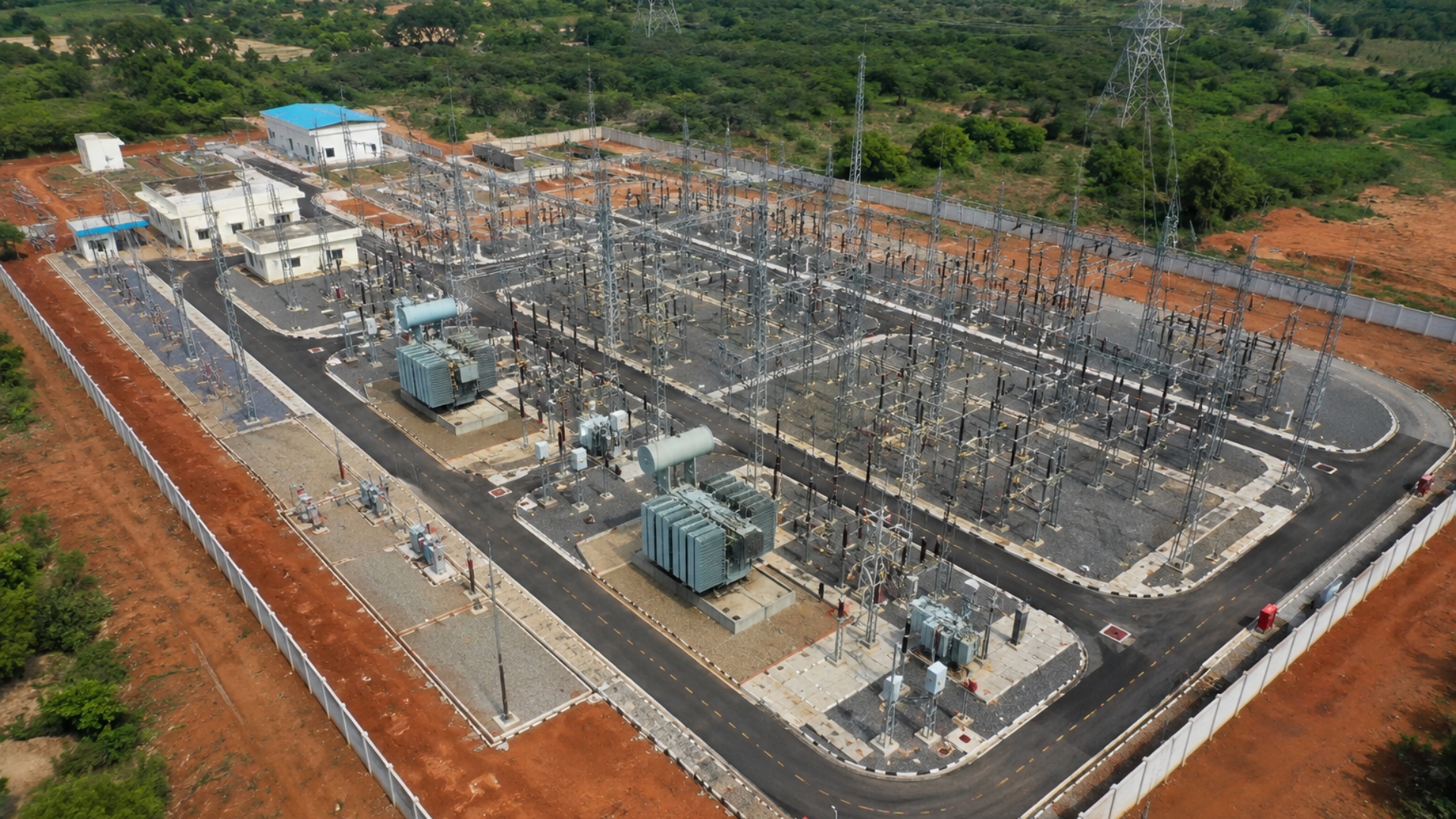
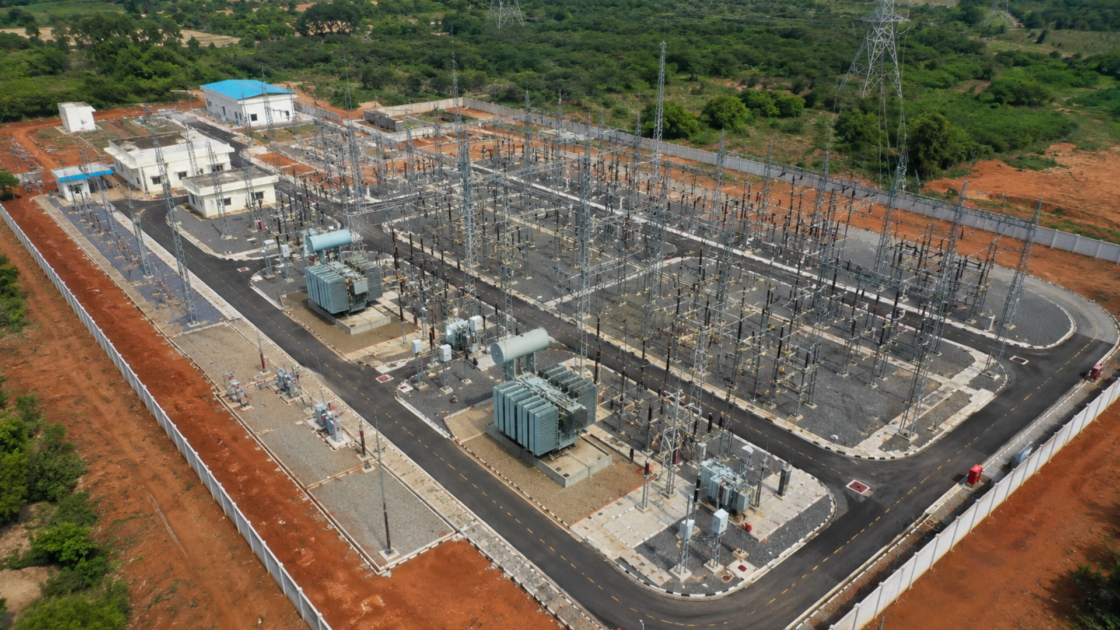
The featured photograph is for representation only.