India has nearly 47 GW BESS capacity under development, Parliament told
India has nearly 47 GW of Battery Energy Storage System (BESS) capacity at various stages of development as the country expands energy storage infrastructure to integrate growing renewable energy capacity, meet peak electricity demand and support grid reliability.
As of June 30, 2026, nearly 16 GW of BESS capacity was under construction, around 12 GW had been awarded, while another 19 GW was at the tendering stage, Minister of State for Power Shripad Yesso Naik said in a written reply in the Rajya Sabha.
The storage pipeline is being developed alongside pumped storage capacity, with 16 GW of pumped storage projects under construction and another 7 GW having received concurrence and awaiting construction.
Storage requirement
According to the National Electricity Plan (Generation), India is projected to require 47 GW of battery energy storage capacity and 27 GW of pumped storage capacity by 2031-32.
Naik said large-scale deployment of energy storage systems will be critical for integrating renewable energy, meeting peak electricity demand and maintaining grid reliability as the country’s generation mix changes.
India is estimated to require around Rs 4.8 lakh crore of investment in energy storage infrastructure by 2031-32. Of this, approximately Rs 3.5 lakh crore will be required for BESS and Rs 1.3 lakh crore for pumped storage projects.
Capacity pipeline
The storage expansion is taking place alongside large additions to conventional and renewable generation capacity.
Since April 2023, India has commissioned 21 GW of thermal power capacity. Another 48 GW is under construction, including 4.8 GW of stressed projects, while contracts have been awarded for an additional 16 GW of coal- and lignite-based capacity.
On the renewable energy side, 148 GW of capacity is currently under construction. Another 48 GW is at various stages of planning and is targeted for completion by 2029-30.
The Ministry of Power said India’s installed power generation capacity is projected to reach 874 GW by 2031-32. States are also preparing 10-year resource adequacy plans to ensure sufficient generation capacity is available to meet projected electricity demand.
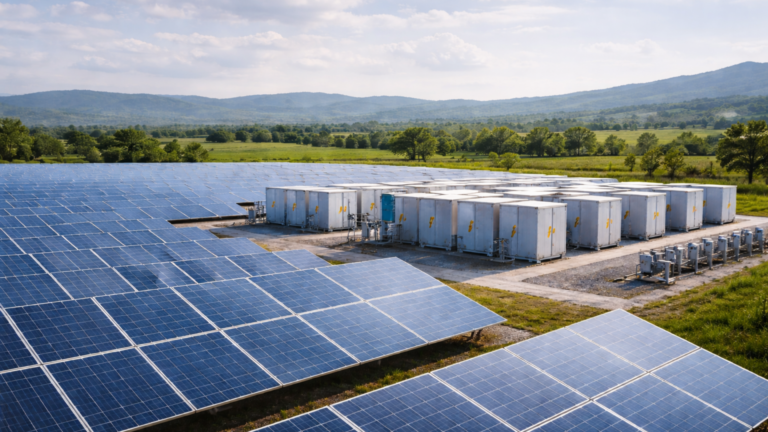
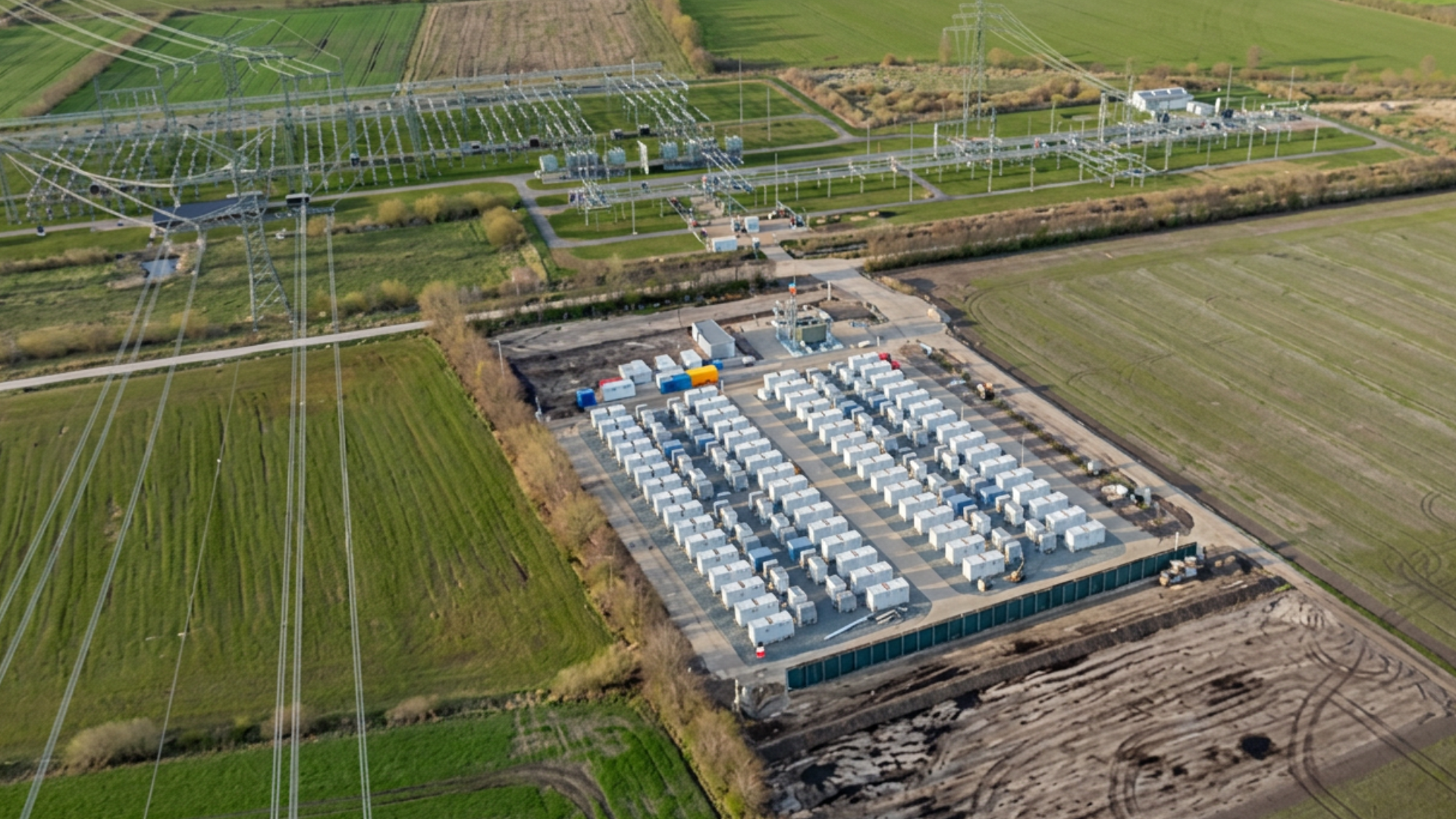
The featured photograph is for representation only.