DERC issues orders on rooftop solar, FPPAS and EV charging
The Delhi Electricity Regulatory Commission (DERC) has issued three separate orders over the past two weeks covering rooftop solar connectivity, recovery of power purchase costs and implementation of electric vehicle (EV) charging infrastructure under the PM E-DRIVE Scheme.
The orders introduce changes to the net metering approval process, permit higher Fuel and Power Purchase Adjustment Surcharge (FPPAS) recovery for May 2026, and clarify the treatment of EV charging infrastructure costs for distribution licensees.
Rooftop solar
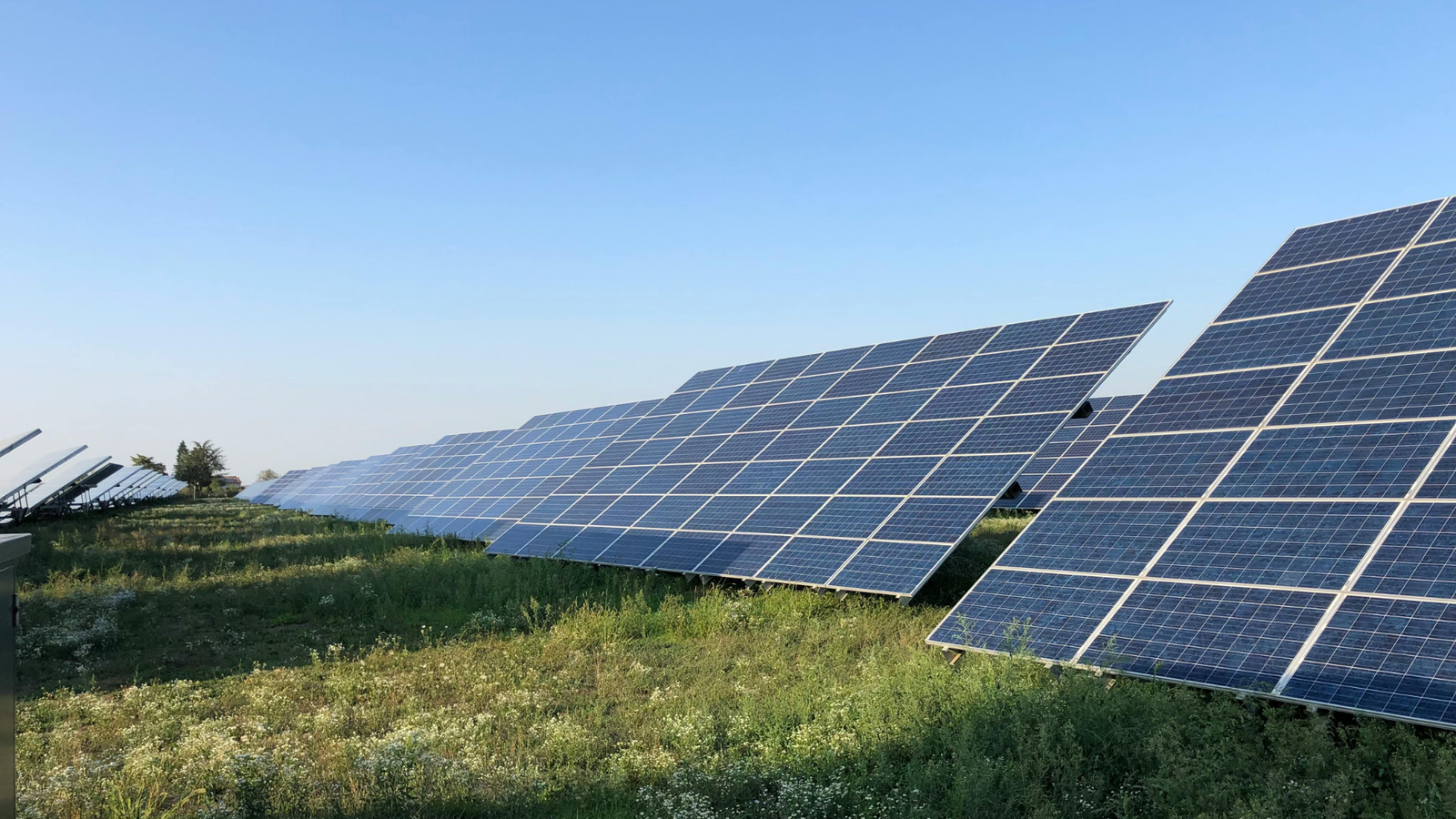
DERC has amended the Net Metering Guidelines to reduce the rooftop solar approval process from three stages to two stages.
Under the revised framework, applications will now be processed through Technical Feasibility Analysis (Stage I) and Integrated Document Verification, Inspection and Net Meter Installation (Stage II).
Distribution licensees have been directed to complete technical feasibility assessments within 15 days. If no communication is issued within the stipulated period, the proposal will be deemed technically feasible.
The Commission has also exempted rooftop solar systems of up to 10 kW from technical feasibility analysis, provided the proposed installation matches the existing supply category.
For systems requiring technical assessment, the combined timeline for granting connectivity has been capped at 25 days. For systems up to 10 kW, connectivity is required to be provided within 10 days.
Stage II, which combines document verification, site inspection and net meter installation, must be completed within 10 days of submission of the required documents.
DERC has further expanded the waiver of application and registration charges to all domestic consumers installing rooftop solar systems of up to 10 kW, irrespective of whether they are availing benefits under the PM Surya Ghar: Muft Bijli Yojana. Previously, the waiver was limited to consumers covered under the central scheme.
The amendments also mandate digital execution of connection agreements. Domestic consumers installing systems up to 10 kW may execute agreements through a click or tick-box mechanism, while non-domestic consumers and applicants installing systems above 10 kW will be required to use electronic or digital signatures.
The revised provisions will apply to all applications pending on or received after July 16, 2026.
FPPAS recovery
In a separate order, DERC relaxed the existing 10% ceiling on Fuel and Power Purchase Adjustment Surcharge for May 2026 following submissions from BSES Rajdhani Power Limited (BRPL), BSES Yamuna Power Limited (BYPL) and Tata Power Delhi Distribution Limited (TPDDL).
The distribution companies informed the Commission that actual power purchase costs during the month were significantly higher than the base power purchase costs approved in the prevailing tariff order.
While the actual FPPAS requirement worked out to 25.07% for BRPL, 19.91% for BYPL and 12.21% for TPDDL, the Commission approved limited additional recovery beyond the existing cap.
Accordingly, BRPL has been permitted to recover a total FPPAS of 17.94%, comprising the standard 10% ceiling and an additional 7.94%. BYPL has been allowed a total recovery of 17.43%, including an additional 7.43%, while TPDDL has been permitted to recover 12.21%, including an additional 2.21%.
DERC clarified that the relaxation has been granted on a month-to-month basis and will remain in force until further orders.
PM E-DRIVE
The Commission has also issued a Removal of Difficulty Order under the Delhi Electricity Regulatory Commission (Supply Code and Performance Standards) Regulations to address upstream infrastructure requirements for Electric Vehicle Public Charging Stations (EVPCS), Battery Swapping Stations (BSS) and Battery Charging Stations (BCS) being established under the PM E-DRIVE Scheme.
Under the order, distribution licensees are required to raise demand notes covering the full cost of upstream infrastructure specified under the scheme. This includes distribution transformers, LT and HT cables, AC distribution boxes, circuit breakers, isolators, protection systems, mounting structures, fencing and associated civil works.
These charges will be levied in addition to standard Service Line-cum-Development charges, Security Deposit and Road Restoration charges.
However, DERC has specified that the costs incurred under the PM E-DRIVE Scheme will not be passed on to electricity consumers and will not form part of the Annual Revenue Requirement (ARR) of the distribution licensees. Instead, the expenditure will be reimbursed through subsidies available under the central scheme.
Delhi Transco Limited (DTL), which has been designated as the State Nodal Agency for PM E-DRIVE, has been directed to maintain consolidated records of project sites, demand notes and payments, and submit quarterly progress reports to the Commission.
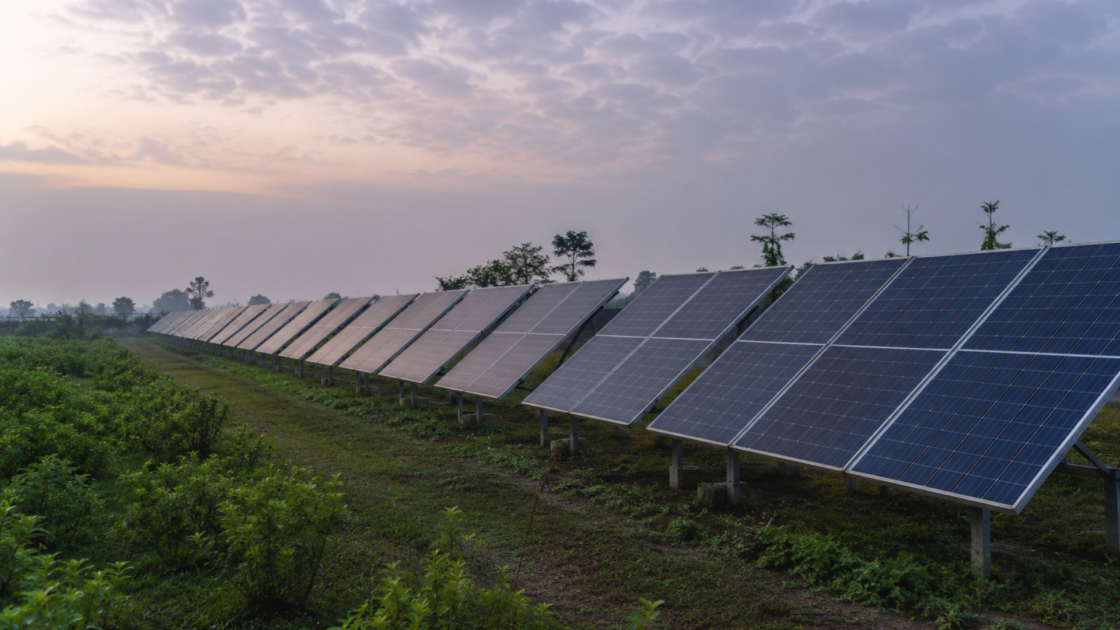
The featured photograph is for representation only.