
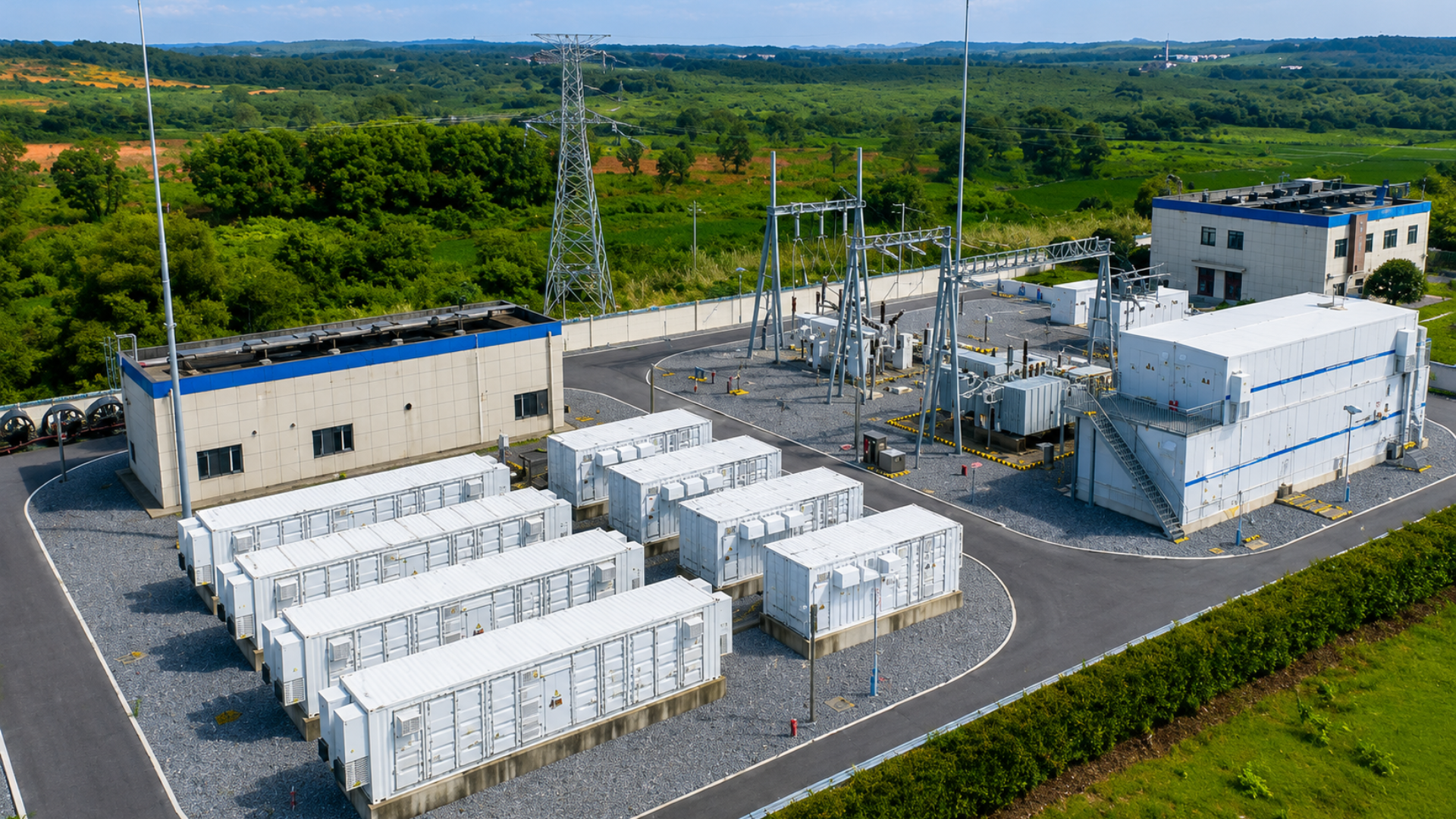
WRPC approves 750 MW/3,000 MWh BESS proposal for Gujarat
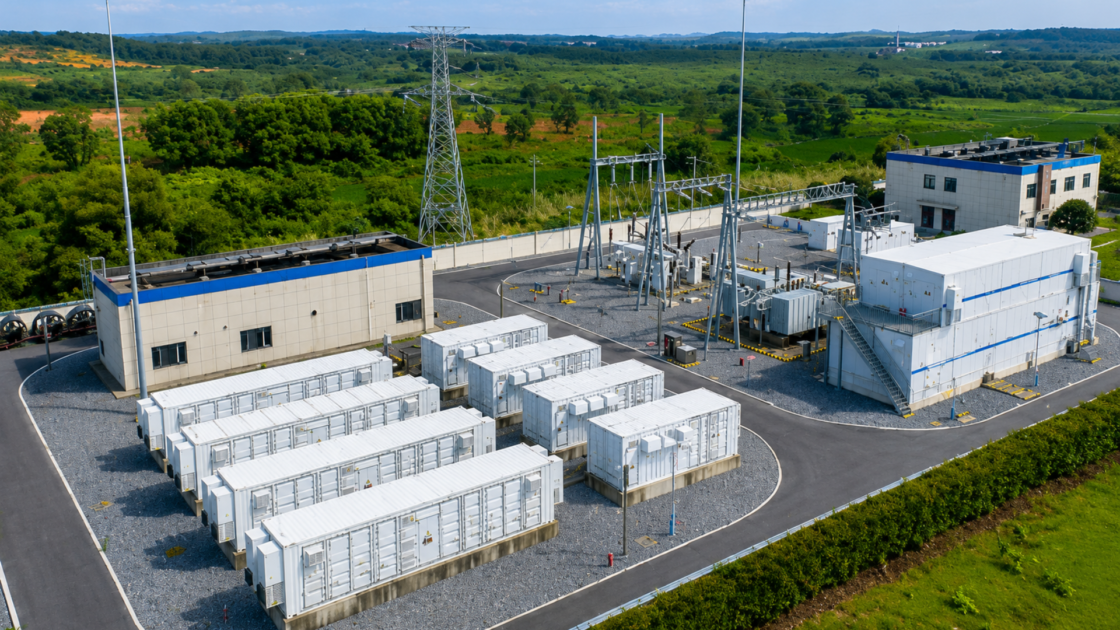
The Western Regional Power Committee (WRPC) has given in-principle approval to a proposal by Power Grid Corporation of India Limited (Powergrid) to establish 750 MW/3,000 MWh of Battery Energy Storage Systems (BESS) at three interstate transmission system (ISTS) substations in Gujarat.
The proposed systems will be installed at Bhuj, KPS-II and Banaskantha, with each location housing a 250 MW/1,000 MWh BESS offering four hours of storage. The project is estimated to cost between Rs 3,600 crore and Rs 5,400 crore.
Supporting grid stability
According to the proposal, the battery systems will provide frequency support, voltage regulation and other grid stability services as renewable energy capacity continues to expand. The meeting noted that Gujarat has already installed around 45 GW of renewable energy capacity and has the potential to exceed 100 GW by 2030.
Powergrid informed the committee that lithium-ion technology has been identified as the preferred option due to its commercial maturity. The proposed implementation timeline is 18 months from approval, and the systems are expected to operate under the Central Electricity Regulatory Commission’s (CERC) Integrated Energy Storage System (IESS) regulations.
Cost concerns raised
Powergrid said the project locations were identified after preliminary consultations with Grid-India and Central Transmission Utility of India Limited (CTUIL). The proposal will now be submitted to CERC, with copies circulated to stakeholders for comments.
During the discussions, Maharashtra State Electricity Distribution Company Limited (MSEDCL) questioned the estimated project cost, noting that it appeared higher than benchmark costs considered in the Central Electricity Authority’s (CEA) Resource Adequacy Study. MSEDCL also suggested that similar grid-scale BESS installations should be considered in other renewable-rich states, including Maharashtra and Madhya Pradesh.
Member (GO&D), CEA observed that battery storage would become increasingly important as renewable energy penetration rises and stated that such systems are essential to manage the variability of renewable generation. The committee granted in-principle approval while noting that detailed technical issues could be addressed during subsequent stages.
The featured photograph is for representation only.