Telangana approves its first utility scale battery storage project at Rs 2.98 lakh per MW per month
The Telangana State Electricity Regulatory Commission (TSERC) has approved the state’s first utility-scale Battery Energy Storage System (BESS) project, adopting tariffs discovered through a global competitive bidding process for 375 MW/1,500 MWh of storage capacity.
The project comprises two standalone BESS installations of 187.5 MW/750 MWh each at the 400 kV substations at Maheshwaram and Choutuppal. The projects will be developed under the Build-Own-Operate (BOO) model with Viability Gap Funding (VGF) support from the Power Systems Development Fund (PSDF) for a period of 15 years.
TSERC adopted a tariff of Rs 2,98,000 per MW per month for the Maheshwaram project, awarded to M/s Sarus Infrastructures Private Limited, and Rs 3,14,000 per MW per month for the Choutuppal project, awarded to Coal India Limited.
Project background
The Ministry of Power allocated 1,500 MWh of BESS capacity to Telangana under the state component of the VGF scheme on June 9, 2025. The Government of Telangana subsequently nominated Telangana Power Generation Corporation Limited (TGGENCO) as the nodal agency and approved the development of the standalone BESS projects at the two Telangana Transmission Corporation Limited (TGTRANSCO) substations.
According to the petitioners, the project is intended to support the integration of the state’s growing renewable energy capacity, manage peak demand, improve grid flexibility and reduce dependence on high-cost short-term market purchases. Telangana currently has 6,669.85 MW of installed solar capacity, excluding rooftop installations, with additional capacity under development.
TGGENCO invited bids in November 2025 through a global competitive bidding process. Technical bids from 16 firms were received, of which 15 qualified for the financial bid stage. Following an e-reverse auction held on March 9, 2026, Sarus Infrastructures Private Limited emerged as the successful bidder for the Maheshwaram project, while Coal India Limited secured the Choutuppal project.
Commission’s findings
The Commission rejected objections that the bidding process had been completed before regulatory approval, noting that the Letters of Award were conditional upon tariff adoption.
It also rejected comparisons with Andhra Pradesh’s BESS tenders, observing that those projects involved two-hour storage systems, whereas Telangana’s projects provide four-hour discharge duration. The Commission noted that comparable four-hour BESS projects elsewhere in the country had discovered tariffs ranging from Rs 3.59 lakh to Rs 4.57 lakh per MW per month.
The Commission further accepted the utilities’ submissions that standalone BESS installations at major substations would minimise transmission losses and provide operational flexibility by charging during periods of low electricity prices and discharging during peak demand.
Directions issued
TSERC approved the procurement of the full 375 MW/1,500 MWh BESS capacity and adopted the discovered tariffs for both projects.
The Commission capped TGGENCO’s trading margin at 0.5% of capacity charges, replacing the earlier proposal of a fixed Rs 0.07 per unit.
It also directed the State Load Dispatch Centre (SLDC) to monitor project performance, including utilisation, availability, efficiency, degradation and cost-benefit outcomes, and maintain monthly and annual reports.
In addition, TSERC directed that future BESS procurements should be supported by detailed technical and economic studies evaluating discharge duration, cycling requirements, project sizing and site selection. The projects must also comply with the Central Electricity Authority (CEA) (Measures Relating to Safety and Electric Supply) Regulations, 2023.
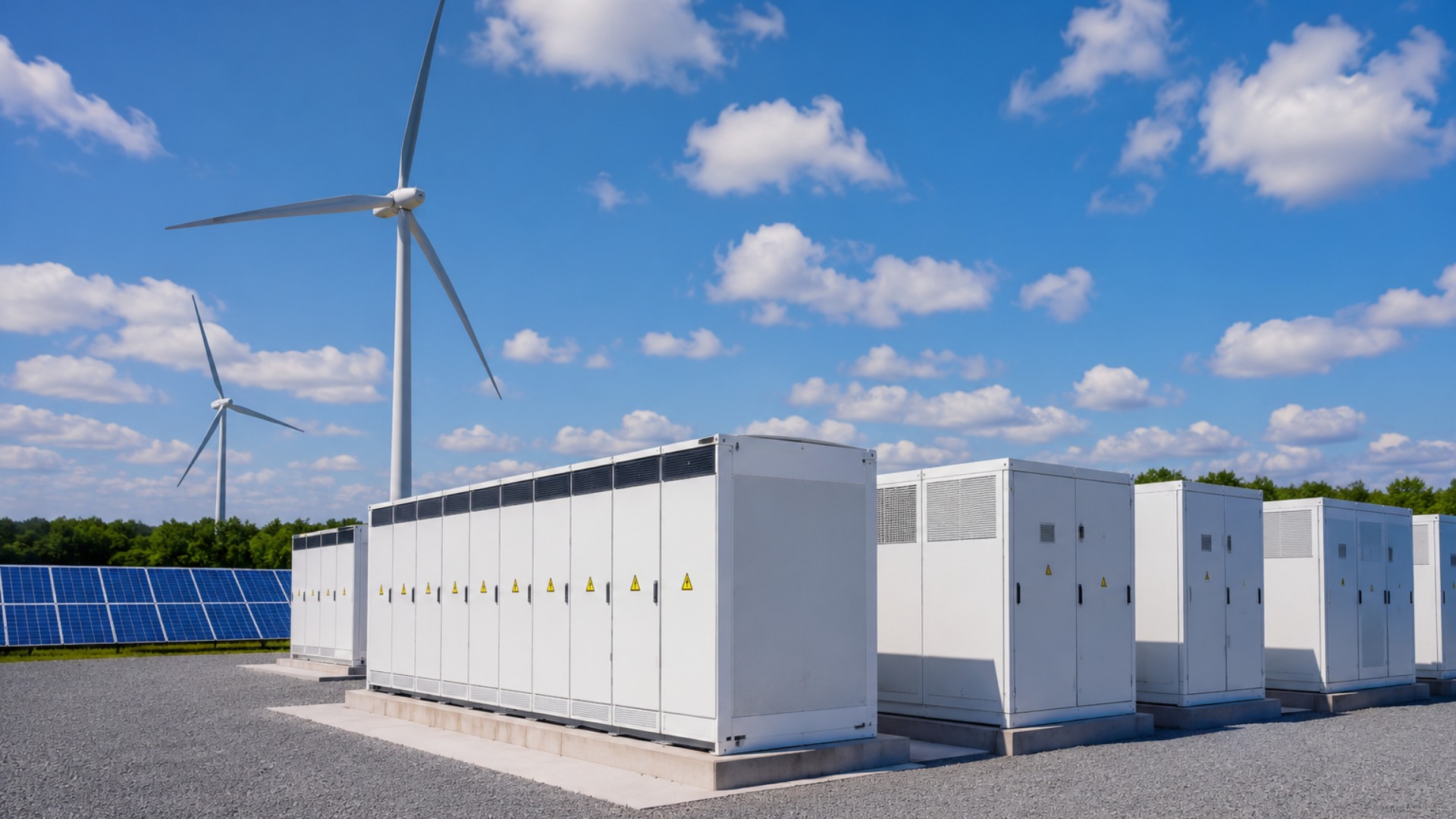
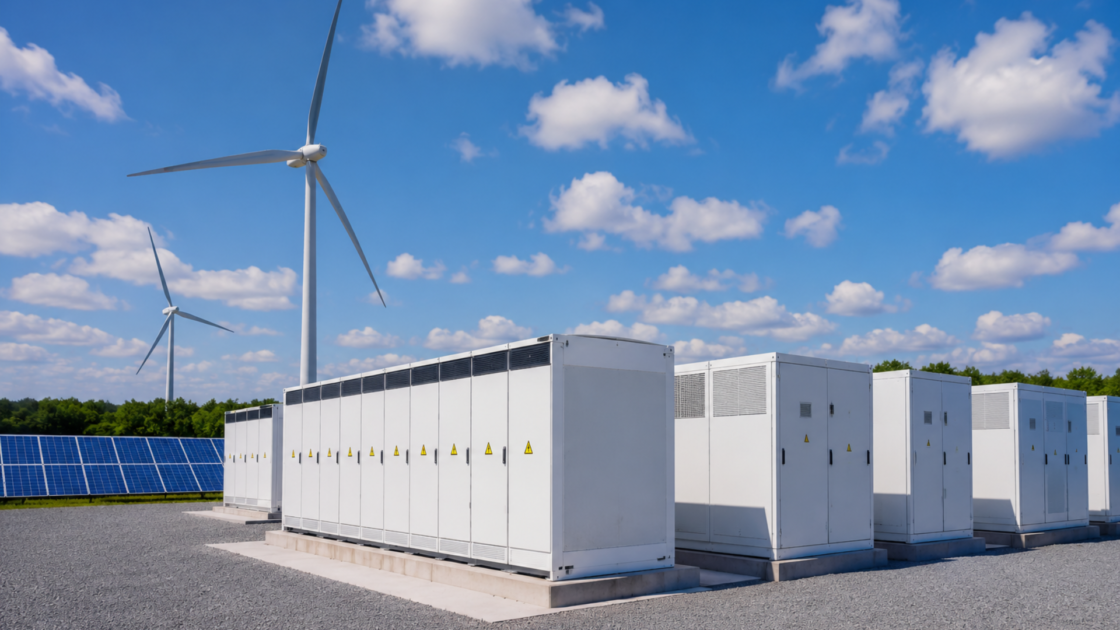
The featured photograph is for representation only.