
NHDC’s 640 MW PSP gets EAC nod; tribal villages to get hospital and solar panels
The Expert Appraisal Committee (EAC) of the Ministry of Environment, Forest and Climate Change has recommended environmental clearance for the Indirasagar-Omkareshwar Pumped Storage Project (640 MW) in Madhya Pradesh. The project, to be developed by NHDC Limited, a joint venture between NHPC Ltd and the Government of Madhya Pradesh, involves an estimated investment of Rs 5,243 crore.
The project is designed to provide energy storage and grid balancing services as the share of renewable energy in the electricity mix continues to increase.
Project details
The project will be located near Narmada Nagar in Punasa Tehsil of Khandwa district. It will utilise the existing Indira Sagar reservoir as the upper reservoir and the Omkareshwar reservoir as the lower reservoir.
The scheme will comprise eight generating units of 80 MW each, taking the total installed capacity to 640 MW. No new dam or additional storage reservoir is proposed, with the project relying on existing infrastructure to pump water during off-peak periods and generate electricity during peak demand.
The project is expected to generate 1,472.58 million units (MU) annually and achieve a cycle efficiency of 76.31%.
Land and forest requirement
The project requires 198 hectares of land, all of which is forest land. Stage-I Forest Clearance is pending with the Ministry.
The project falls within Seismic Zone III. No National Parks or Wildlife Sanctuaries are located within a 10 km radius of the site. However, Chandgarh Reserve Forest and Punasa Reserve Forest are located within the buffer zone.
Environmental conditions
The EAC noted that periodic pumping operations could alter local hydrology and affect aquatic ecosystems. Potential impacts include sediment disturbance, changes in fish spawning and feeding patterns, and fluctuations in water temperature and dissolved oxygen levels.
To address these concerns, the committee has directed NHDC to prepare and implement a Fisheries Management Plan to mitigate impacts on native fish species and aquatic invertebrates. A water-flow management plan has also been mandated to minimise hydrological alterations resulting from pumping operations.
The project is expected to generate around 10.24 million cubic metres of muck from excavation. Of this, 4.10 Mcum will be utilised for rockfill and construction activities. The remaining 8.60 Mcum, after accounting for a 40% swelling factor, will be disposed of at designated locations. The EAC has directed that all disposal sites be stabilised through biological and engineering measures.
The committee has also required implementation of a watershed development plan within a 10 km radius of the project area, focusing on conservation and rejuvenation of local water bodies.
Community development measures
NHDC has committed to several community development initiatives in villages surrounding the project area. These include installation of reverse osmosis (RO) plants in tribal villages, establishment of a school up to Class 12, and development of a 50-bed multi-speciality hospital providing free medical services to tribal communities within a 10 km radius.
The company has also proposed a Skill Development Centre offering regular training programmes for traditional arts and products. Additional commitments include distribution of solar panels to rural households and installation of biogas plants under the Deenbandhu Model for cattle waste utilisation.
Environmental management budget
The project has earmarked approximately Rs 96.84 crore for environmental management measures. The allocation includes Rs 11.13 crore for the Wildlife Management Plan, Rs 15.26 crore for the Muck Management Plan, Rs 0.97 crore for the Fisheries Management Plan and Rs 3.40 crore for the Public Health Delivery System.
The project also includes Rs 46.59 crore towards compensatory afforestation and Net Present Value payments. The EAC clarified that compensatory afforestation expenditure should be reported separately from the Environmental Management Plan (EMP) budget.
Next steps
Following the EAC recommendation, the Ministry of Environment, Forest and Climate Change will consider issuance of the formal environmental clearance. The project will also require Stage-I and Stage-II Forest Clearance approvals before construction can begin.
The EAC has additionally directed NHDC to minimise the proposed 50.87-hectare temporary stacking area, install real-time Ambient Air Quality Monitoring Stations before construction starts, and undertake an independent environmental impact assessment five years after project commissioning.
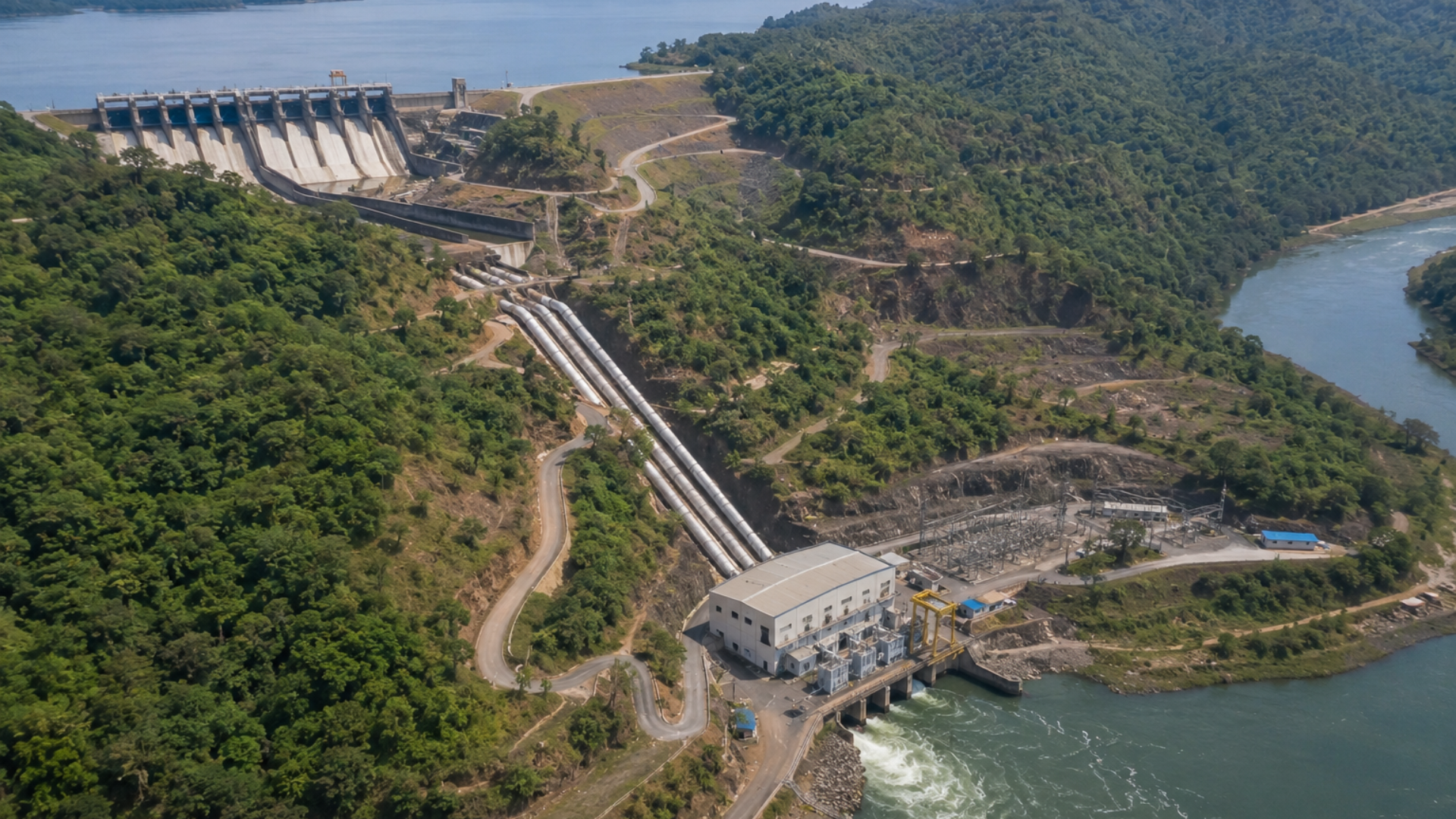
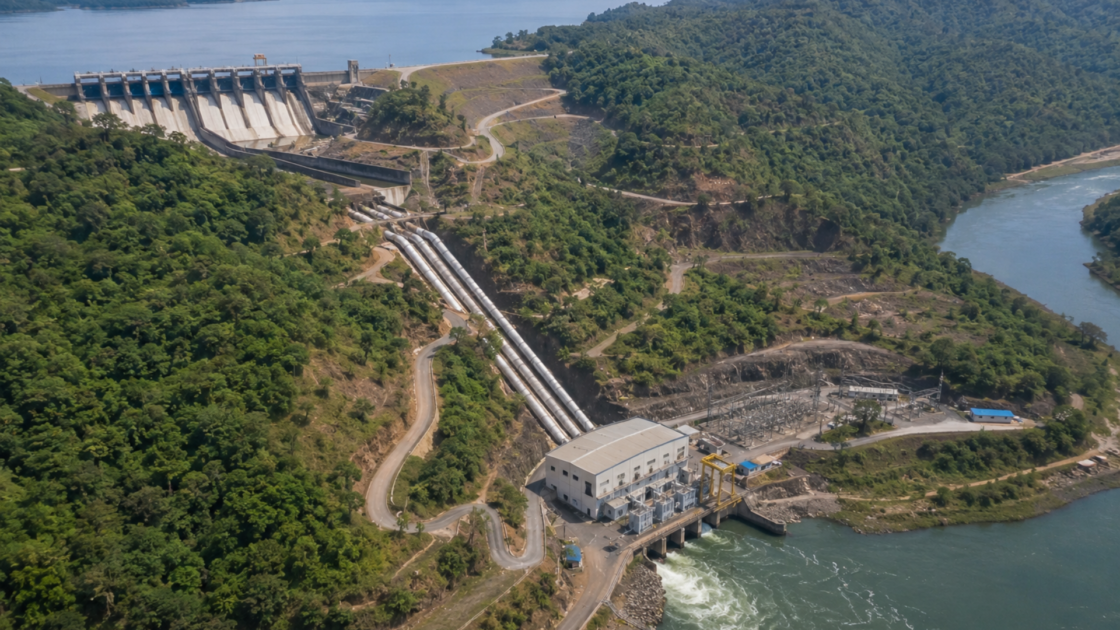
The featured photograph is for representation only.