
NMP 2.0: Hydro, transmission and PSU stakes drive power monetisation
India’s ambition to become a $30 trillion economy by 2047, as envisioned in the Viksit Bharat initiative, rests on the foundation of world-class infrastructure. Recognising this, the Government of India launched the second phase of its National Monetisation Pipeline (NMP 2.0) for the fiscal years 2025-26 to 2029-30. Building on the momentum of its predecessor, which achieved 89% of its Rs 6 Lakh Crore target, NMP 2.0 aims to unlock Rs 10 Lakh Crore by recycling capital from public infrastructure assets.
The recently released document, “National Monetisation Pipeline 2.0,” lays out a comprehensive roadmap for 12 key infrastructure sectors. Among the sectors featured, the power sector stands out as a critical pillar, with a monetisation target of Rs 2,76,500 crore, constituting nearly 17% of the entire pipeline. This makes it the second-highest sector by target, surpassed only by a combined category of highways and logistics.
The monetisation plan for the power sector is a well-calibrated mix of debt-market instruments (like securitization), equity market moves (like divestment), and public-private partnerships (PPPs). This blended approach ensures that the government can unlock value from different types of assets, from stable hydroelectric plants to high-growth transmission lines, while maintaining operational continuity and regulatory stability. The assets identified for monetisation span the entire value chain: generation, transmission, and corporate holdings.
Key Asset Classes and Monetisation Targets
The approach for the power sector under NMP 2.0 rests on four distinct asset classes, each with a tailored monetisation model designed to maximise value while ensuring continued service delivery.
Operational Hydro Assets of NHPC and SJVN (Rs 12,000 Crore)
The first asset class comprises eight hydro power stations under NHPC Limited and two under SJVN Limited, totalling a capacity of 4,881 MW. These are brownfield, operational assets with long-term Power Purchase Agreements (PPAs) in place, ensuring predictable and stable cash flows. The report identifies securitisation of future cash flows as the preferred monetisation mode for these projects.
The methodology involves discounting the expected annual cash inflows from these assets to arrive at a present value, which the PSUs can raise upfront from the market. This allows NHPC and SJVN to unlock the value of future revenues today, providing them with immediate capital that can be reinvested into new projects, particularly in the renewable energy space, without taking on additional debt.
PGCIL Transmission Assets (Rs 33,500 Crore)
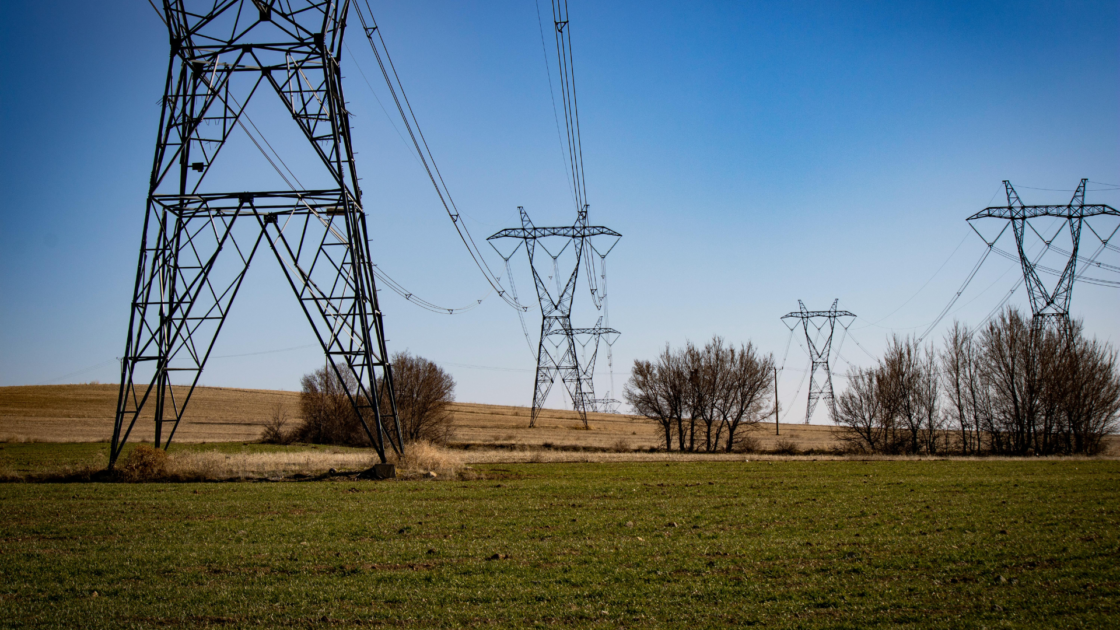
The Power Grid Corporation of India Limited (PGCIL), a central transmission utility, plans to monetise a portion of its operational transmission assets, amounting to 15,295 circuit kilometres (ckm). Similar to the hydro assets, these transmission lines generate steady annuity revenues. The NMP 2.0 proposes their monetisation through the securitisation of annuity revenues. This method allows PGCIL to raise funds based on the strength of its existing revenue stream, providing capital for network expansion and upgrades, which are crucial for integrating the growing share of renewable energy into the national grid.
Inter-State Transmission Lines (Rs 2,00,000 Crore)
This is the largest component of the power sector’s target, accounting for over 72% of its total monetisation value. The Ministry of Power has long recognized the need for substantial and timely investment in the country’s Inter-State Transmission System. Under NMP 2.0, a massive 22,000 ckm of ISTL projects are slated to be awarded on a Build-Own-Operate-Transfer (BOOT) model through tariff-based competitive bidding.
This is a classic PPP model where the private sector is responsible for financing, building, and operating the transmission asset for a concession period before transferring it back to the government entity. The monetisation value here is primarily the private sector’s capital investment in creating these assets. By inviting private players, the government not only reduces the capital expenditure burden on central PSUs like PGCIL but also brings in private sector efficiency in construction and operations. This is a greenfield-focused asset class within the broader brownfield-heavy pipeline, demonstrating the government’s intent to use PPPs as a primary mode for future infrastructure creation.
Equity Dilution of Step-Down Subsidiaries of PSUs (Rs 31,000 Crore)
The fourth asset class involves unlocking value from the government’s holdings in subsidiaries of major power PSUs, particularly those engaged in generation and renewable energy. The report proposes partial equity divestment through Initial Public Offerings (IPOs) or Follow-on Public Offers (FPOs) for these entities.
The monetisation potential has been assessed using market-based valuation approaches, including comparisons with listed peers. This move serves a dual purpose: it provides the parent PSUs with funds from the stake sale, and it deepens the domestic capital market by offering new, investment-grade opportunities to the public and institutional investors. It also subjects these subsidiaries to market discipline, potentially improving their governance and operational efficiency.
Phasing and Accrual of Proceeds
The transmission sector (ISTL) is expected to see the highest activity in the early years of the pipeline, with targets of Rs 47,200 crore in FY26 and Rs 45,800 crore in FY27. The equity divestments are phased more towards the middle and later part of the five-year period. The securitization of hydro and PGCIL assets is spread more evenly across FY26 to FY30.
A critical aspect of the report is the analysis of where the monetisation proceeds will flow. For the power sector, the proceeds are bifurcated into two main heads:
- PSU Allocation (Rs 76,500 crore during FY26-30): Funds raised from securitization (Hydro and PGCIL assets) and equity divestment will accrue directly to the concerned PSUs (NHPC, SJVN, PGCIL, and their parent entities). This empowers these corporations to fund their capital expenditure plans independently.
- Direct Investment (Private) – Rs 1,66,288 crore during FY26-30: This is the most significant portion of the cash flow during the NMP 2.0 period, representing the private capital flowing into the ISTL projects. This infusion of private capital not only eases the fiscal pressure on the government but also creates a multiplier effect in the economy through construction, procurement, and job creation.
The Economic Impact and Way Forward
The NMP 2.0 emphasizes that asset monetisation is more than a financing tool; it’s a catalyst for economic growth. The Reserve Bank of India estimates the government’s capital expenditure multiplier at 3.25, meaning every rupee of public capex can generate Rs. 3.25 in GDP. By using monetisation proceeds to fund new infrastructure, the government can trigger a virtuous cycle of investment and growth.
For the power sector, NMP 2.0 presents a blueprint to unlock capital and accelerate future investments. The monetisation programme is expected to free up funds for public sector undertakings (PSUs) to invest in emerging areas such as renewable energy, battery storage, and grid modernisation. It also seeks to attract private investment, bringing additional capital as well as technological expertise and operational efficiency. At the same time, the programme is likely to deepen domestic financial markets by introducing new asset classes, including securitised debt instruments and public offers from established power sector entities.
In conclusion, the NMP 2.0 lays out a clear and pragmatic path for the power sector. By strategically monetising its rich portfolio of operational and future assets, India is not just selling assets; it is recycling its capital to build a more robust, resilient, and modern power system that will be the bedrock of its journey towards becoming a developed nation. The success of this ambitious plan will depend on meticulous execution, robust stakeholder engagement, and maintaining the delicate balance between private participation and public interest.