
TNERC approves multi-track power procurement plan to manage rising demand

In a series of decisive orders issued in early December 2025, the Tamil Nadu Electricity Regulatory Commission (TNERC) has greenlit a comprehensive multi-pronged strategy to address the state’s escalating power demand and projected deficits. The approvals encompass new thermal, gas-based, and battery storage procurement, marking a significant step towards bolstering the state’s energy security and grid reliability.
The driving force behind these approvals is Tamil Nadu’s rapidly growing electricity demand. Citing data from the Central Electricity Authority (CEA), the Tamil Nadu Power Distribution Corporation Ltd (TNPDCL) highlighted that peak demand surged from 17,563 MW in 2022-23 to 20,830 MW on 2 May 2024, already exceeding earlier projections for the 2024-25 financial year. Demand is forecast to reach 22,955 MW by FY 2026-27.
Internal assessments and the CEA’s Resource Adequacy (RA) study paint a stark picture of future shortages. TNPDCL projected a median shortage of 4,858 MW in FY 2026-27, ballooning to 6,997 MW by FY 2029-30, with critical deficits occurring during evening and night hours. The CEA study anticipates deficits through 2034-35. To bridge these gaps, the state has often relied on expensive short-term purchases from power exchanges at rates between Rs 8–10 per unit.
TNERC underscored that the proposed procurements are in direct alignment with its recently notified Resource Adequacy Regulations, 2025, which mandate that at least 20% of RA needs be met through medium-term contracts. The Commission stated that this strategy is essential for ensuring reliable supply, mitigating price volatility, and strengthening long-term power availability.
Key Procurement Approvals: A Three-Pronged Approach
1,000 MW Round-the-Clock (RTC) Power
On 2 December, TNERC approved and retrospectively validated TNPDCL’s medium-term tender for 1,000 MW of RTC power for five years. The tender, issued on 11 November 2025, follows the Ministry of Power’s Finance, Own and Operate (FOO) guidelines, allowing use of linkage coal under the SHAKTI policy. TNPDCL sought and received approval for specific deviations in the Standard Bidding Documents to enhance commercial clarity and safeguard its position. The Commission directed TNPDCL to later file a tariff adoption petition under Section 63 of the Electricity Act upon completion of bidding.
500 MW Peak Power from Gas-Based Plants
On 4 December, TNERC cleared TNPDCL’s plan to procure 500 MW from gas-based stations for three years to address peak-hour deficits. The tender is designed for assured supply during identified peak hours for about 120 days a year, starting 1 February 2026. The Commission approved key deviations, including a 100% normative availability requirement during contracted periods, damages linked to the bid tariff, and fuel price indexation to international gas benchmarks like Henry Hub. This move is aimed at managing the critical evening and early morning supply gaps.
1,000 MWh Standalone Battery Energy Storage Systems (BESS)
In a parallel order on 4 December, TNERC approved the Tamil Nadu Green Energy Corporation Ltd’s (TNGECL) proposal to procure 1,000 MWh of power from standalone BESS on a Build-Own-Operate (BOO) basis. The 500 MW capacity, configured for two daily cycles, will be installed across six TANTRANSCO substations and is supported by Central Viability Gap Funding. The Commission noted that storage is critical for integrating Tamil Nadu’s approximately 23,940 MW of renewable capacity and managing grid variability. TNGECL was permitted to proceed with the tender, with TNPDCL as the end procurer.
Tariff Adoption for Existing Tenders
Simultaneously, TNERC adopted tariffs for previously conducted procurement processes, bringing immediate capacity under contract:
1,580 MW Medium-Term RTC Power
In an order dated 2 December, the Commission adopted tariffs discovered through a competitive bidding process for 1,580 MW of RTC power from eleven successful bidders. The five-year contracts, starting 1 February 2026, yielded tariffs ranging from Rs 5.558 to Rs 6.062 per kWh at the state periphery. TNERC found these rates competitive, broadly aligned with other states like Haryana and Maharashtra, and lower than recent short-term procurement costs, approving the issuance of Letters of Acceptance.
500 MW / 1000 MWh BESS Projects
On 4 December, TNERC formally ratified the BESS tender process and adopted tariffs for three successful bidders—Bondada Engineering, Oriana Power, and NLC India Renewables—for a cumulative 500 MW / 1000 MWh. The discovered capacity charges were Rs 2,46,000 and Rs 2,48,000 per MW per month for 12-year agreements. The Commission clarified that this BESS procurement would be treated under resource adequacy planning and not as part of Renewable Purchase Obligation (RPO) compliance.
Strategic Direction and Future Compliance
Across its orders, TNERC issued consistent directives to the state utilities. TNPDCL has been instructed to file detailed demand assessments, procurement plans aligned with RA Regulations, and RA compliance reports. The Commission also reiterated earlier directions to explore battery storage, gas or hydro procurement, and advanced demand forecasting tools.
By approving this mix of firm thermal power, flexible gas-based generation, and grid-scale battery storage, TNERC has empowered Tamil Nadu to construct a more resilient and balanced power portfolio. This strategy aims not only to cover projected deficits but also to manage the intermittency of its substantial renewable energy base, ensuring a reliable and cost-effective power supply for the state’s growing economy.
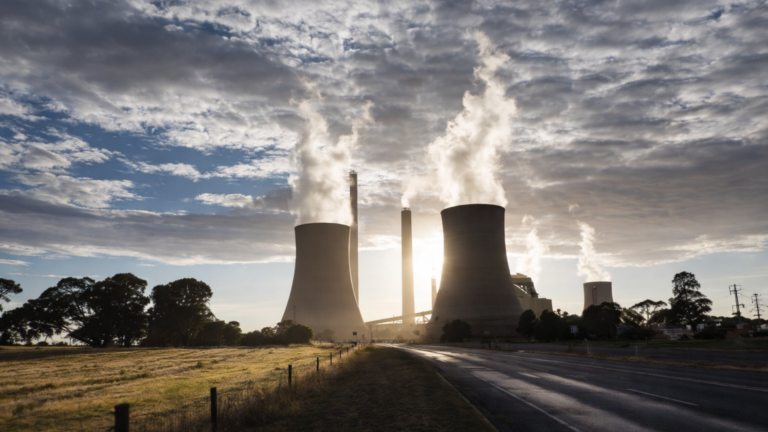
The featured photograph is for representation only.