India-UK trade deal opens zero-tariff market for Indian renewable exporters
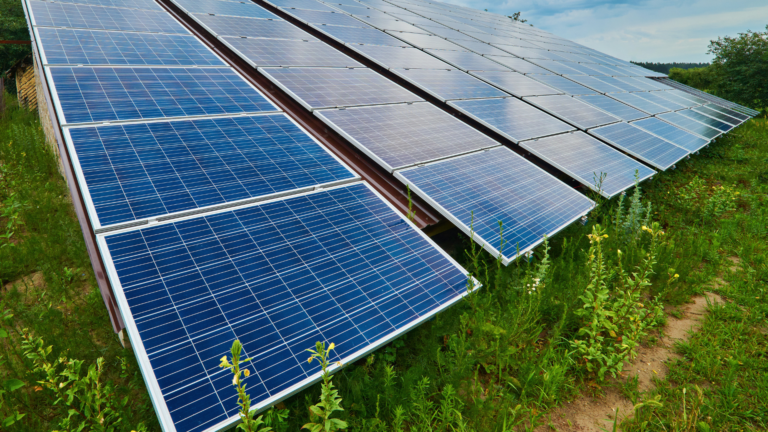
The Free Trade Agreement (FTA) signed between India and the United Kingdom on July 24 will allow Indian renewable energy manufacturers to export products such as solar modules and wind turbines to the UK at zero tariffs. The move is expected to create new export opportunities for Indian firms amid slowing demand in the United States.
The UK has also committed to supporting India in clean energy areas such as green hydrogen, civil nuclear energy, and offshore wind. Financial support through multilateral development banks is also part of the cooperation framework.
The British government noted that the agreement will boost foreign direct investment (FDI) in India’s renewable sector. It also opens access to India’s public procurement market, aligning with India’s expanding renewable energy deployment and demand growth.
The trade deal is part of the broader UK-India Comprehensive Strategic Partnership, with joint goals in addressing climate change. It supports the UK clean energy, transport, and recycling sectors while advancing environmental cooperation.
However, government analysis indicates the FTA may lead to an increase in emissions. UK greenhouse gas (GHG) emissions are projected to rise by 0.8 million tonnes CO₂-equivalent (0.21% over 2019 levels), and India’s by 1.4 million tonnes. The estimate does not include future decarbonisation policies. Emissions from transport linked to the trade deal are expected to increase by 43% to 49%, equal to 1.3 to 2.5 million tonnes annually.
The FTA strengthens India’s renewable export market but contradicts climate goals with projected emissions rises, potentially understated without decarbonization policies. The focus on mutual benefits may downplay environmental costs. Additionally, the agreement counters China’s dominance in renewables, enhances India’s energy security, and positions the UK as a key partner in India’s clean energy transition, deepening bilateral influence in global climate policy.